





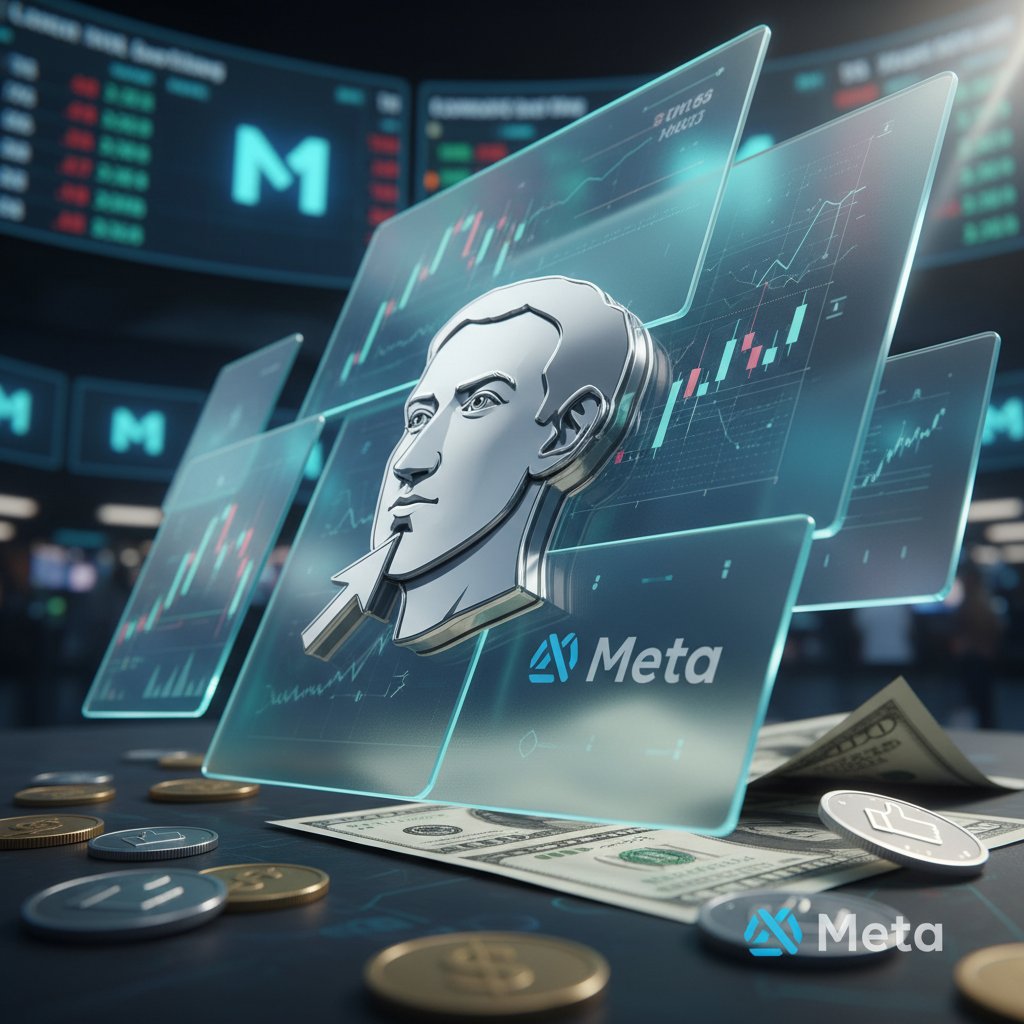
The room went quiet when Mark Zuckerberg said it. No, not another metaverse pitch-something far more tangible for the bottom line. On February 1, 2025, Meta Platforms announced its first-ever quarterly dividend of $0.50 per share, alongside a staggering $50 billion share buyback authorization. The stock surged 20% in after-hours trading. For a company that had never paid a dime in dividends, it was a seismic shift. And on Wall Street, the sentiment was clear: Thanks, Zuck.
But behind the champagne toasts and upgraded price targets, a deeper question lingers. Is this a sign of maturity or a desperate pivot? For a CEO known for moonshots, the move feels like a concession to a new reality: Meta’s growth engine is slowing, and investors want cash in hand, not promises of virtual worlds.
The Numbers That Matter Most
Let’s cut through the noise. Meta’s Q4 2024 revenue hit $48.4 billion, up 22% year-over-year, beating consensus by $1.2 billion. Earnings per share came in at $6.43, versus expectations of $5.78. But the real headline was the balance sheet: $65.4 billion in cash and marketable securities. For years, activist investors like Altimeter Capital’s Brad Gerstner had urged Zuckerberg to return capital to shareholders. He finally listened.
The dividend-a mere $0.50 per quarter-yields just 0.4% at current prices. But the symbolism is enormous. “It signals that Meta is transitioning from a hypergrowth story to a value play,” says Sarah Chen, portfolio manager at Apex Capital Advisors. “Retail investors are dumping growth ETFs and piling into Meta for the yield. It’s a textbook rotation.” Indeed, over 1.2 million shares changed hands in the first hour after the announcement-three times the daily average.
But the buyback is the real thunder. At $50 billion, it’s one of the largest corporate authorizations in history. Assuming Meta executes over the next 12 months, it could reduce the share count by roughly 4%. Combined with the dividend, that’s a total capital return of nearly $52 billion-more than Apple’s annual buyback in 2023.
Zuck’s Pivot: From Metaverse to Maturity
Rewind three years. In October 2021, Zuckerberg renamed Facebook to Meta and bet the company’s future on the metaverse-a gamble that cost $46 billion in Reality Labs losses through 2024. The stock cratered 64% from its 2021 peak. Layoffs hit 21,000 employees. “Year of Efficiency” became the mantra.
Now, the CEO is singing a different tune. “We’ve built a resilient business that generates strong cash flow,” Zuckerberg said on the earnings call. “Returning capital to shareholders is a natural next step.” But critics note the timing: just weeks before the dividend announcement, Meta laid off 3,600 employees in its metaverse division. “He’s cutting jobs and handing out dividends. That’s a brutal optics contrast,” notes David Kim, tech analyst at RBC Capital Markets. “Employees are left wondering: ‘Thanks for the payout, but where’s my job?’”
The move also pressures rivals. Google parent Alphabet had already launched a dividend in 2024. Apple and Microsoft have been paying for over a decade. Meta was the last of the “Big Five” to join the dividend club. “Now the pressure is on Amazon and Tesla to follow suit,” says Chen. “But with Amazon’s capex splurge and Tesla’s volatile cash flow, don’t hold your breath.”
“The dividend is a signal that Meta is no longer a high-risk, high-reward speculation. It’s a cash cow. But cows don’t innovate. Investors are betting Zuck can still walk and chew gum.”, Sarah Chen, Apex Capital Advisors
What It Means for Your Portfolio
For the retail investor, the calculus is simple. If you bought Meta at the 2022 low of $88, your total return is now over 400%. The dividend adds a modest income stream, but the real value is in the buyback’s EPS boost. Over the next year, expect earnings per share to rise 6-8% solely from share reduction-without a single dollar of revenue growth.
But there are risks. Meta still spends $35 billion annually on AI infrastructure and $15 billion on Reality Labs. The dividend commitment could limit future investment. “If the AI bubble pops, Meta will be stuck paying out cash that could have been used for R&D,” warns Kim. “It’s a hedge against a downturn, but it’s also a leash on Zuck’s ambitions.”
Meanwhile, the “Thanks Zuck” meme has exploded on Reddit’s r/wallstreetbets. Options volume on Meta calls hit 500,000 contracts on February 1-a record. Retail traders are chasing the momentum, but seasoned investors are taking profits. “I sold half my position,” admits Chen. “The dividend is nice, but the stock is priced for perfection. One miss on AI revenue and this rally unwinds.”
The Bottom Line: A New Era for Meta
Zuckerberg has done what few thought possible: he turned the page on the metaverse disaster without sacrificing control. His supervoting shares ensure he retains 55% of voting power. The dividend doesn’t dilute his vision; it buys him patience from Wall Street. For now, the market is saying thanks. But the real test will come in 2026, when Meta’s AI revenue needs to justify the capex.
If it works, “Thanks Zuck” will become a permanent fixture in earnings season. If it fails, it’ll be remembered as the moment a visionary settled for being a cash machine. Either way, the next 18 months will define Meta’s legacy. And every dividend check will be a reminder that even empire-builders must eventually pay the piper.