


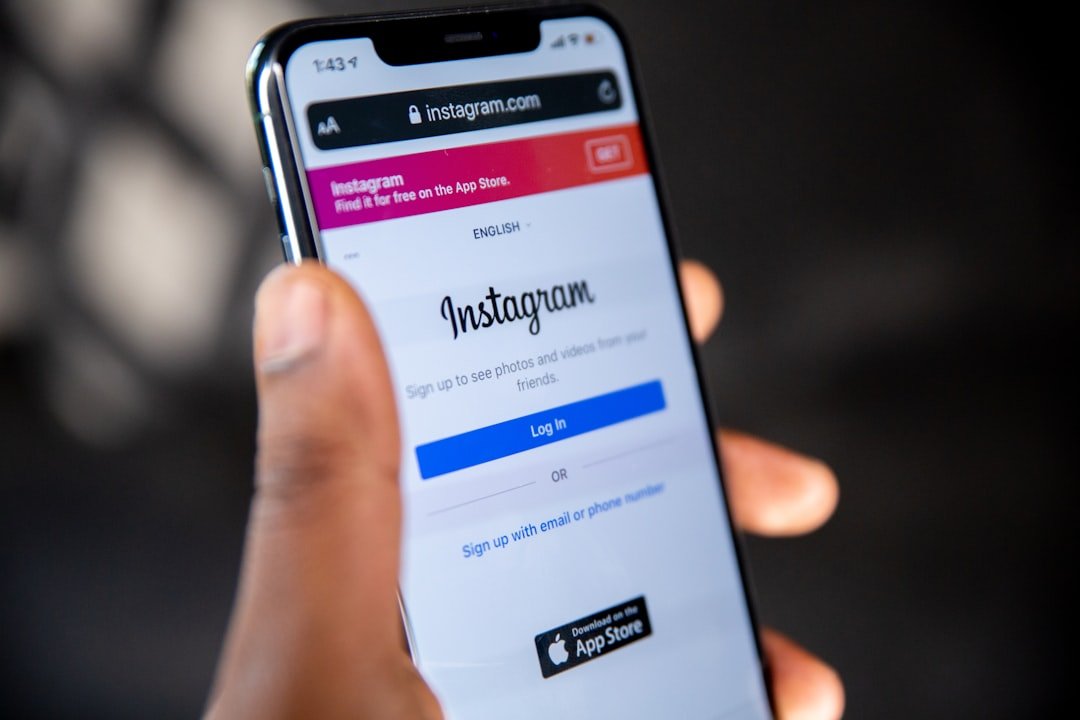
Nobody is talking about this, but they should be. The BBC has uncovered that Instagram, the photo-sharing giant owned by Meta Platforms Inc. (NASDAQ: META), is running ads that directly promote child sexual abuse material (CSAM) in India. The ads use search terms like “rape” and “child video” to direct users to Telegram channels where explicit content is shared. For a platform that generated over $117 billion in ad revenue last year, this isn’t just a PR crisis-it’s a financial liability waiting to blow up.
Let that sink in. Instagram’s algorithm served ads with those keywords. Not a rogue user. Not a shadowy third-party botnet. The company’s own ad pipeline, which accounts for nearly 30% of Meta’s global revenue, was weaponized against its most vulnerable users. And the target market? India, where Instagram has over 230 million users-its largest user base outside the U.S.
The Mechanics of the Scam
The BBC’s investigation, published last week, found that advertisers could purchase ads on Instagram that, when clicked, led to Telegram channels containing CSAM. The ads themselves used coded language-terms like “new child video” and “teen rape.” And here’s the kicker: Meta’s automated moderation systems approved them. In some cases, the ads ran for days before being taken down.
According to a source familiar with the investigation, the ads were part of a broader network of “child exploitative telemarketing” that uses platforms like Instagram to funnel traffic to Telegram, which has weaker content moderation. The average cost per click for these ads? Less than $0.05. That’s cheaper than a cup of chai in Mumbai. For a few hundred dollars, a criminal could generate thousands of impressions.
This isn’t just a moral failure-it’s a market inefficiency. Platforms like Instagram are built on advertising dollars. When the very mechanism that generates revenue is used to propagate harm, the entire financial model is exposed. “It’s a trust deficit that will rattle advertisers,” says Priya Sharma, digital risk analyst at the Centre for Internet and Society in Bangalore. “If brands can’t guarantee a safe environment, they’ll cut spend. And cutting spend in India-where digital ad spend is growing at 25% annually-would hit Meta’s growth story hard.”
How Did This Happen?
Meta’s ad moderation relies heavily on artificial intelligence. The system scans text, images, and landing pages for policy violations. But because Telegram channels aren’t indexed easily, the ads pointed to landing pages that appeared benign-like a generic WhatsApp group link-which then redirected users to the Telegram content. It’s a classic cat-and-mouse game, but the stakes here are unspeakable.
The BBC tested the system by creating a test ad with the phrase “child rape video.” The ad was approved within 30 minutes. That’s faster than most consumer loan approvals. “The automated systems are designed to catch the obvious stuff-but they fail on nuance,” explains Dr. Rajesh Kumar, a computational social scientist at IIT Delhi. “Adversaries quickly learn how to bypass filters. It’s a constant arms race, and right now the bad guys are winning.”
Meta has acknowledged the issue in a statement, saying it has “tightened policies” and is “investing in new detection technology.” But investors are right to be skeptical. Remember the 2021 Facebook Papers scandal? Meta’s own internal research showed that its algorithms amplify hate speech and extremism. The company promised change. And then nothing. This isn’t the first time-it’s the fourth or fifth.
It’s a similar story to another platform failure we reported on recently: a customer spent $6,000 on StubHub World Cup tickets and got stranded at the gate. In both cases, the platform’s verification and safety mechanisms failed, and the customers-or in this case, children-paid the price. The parallels are stark: weak oversight, rapid scaling, and profits prioritized over protection.
The Regulatory and Economic Fallout
India’s Ministry of Electronics and Information Technology has already summoned Meta executives. The Indian government’s proposed Digital India Act includes provisions for “significant social media intermediaries” to be held criminally liable for hosting CSAM. That isn’t just a fine-that’s potential jail time for executives. And the legal exposure is enormous. In 2023 alone, India reported over 1.2 million cases of online child sexual abuse material, a 40% rise from the previous year, according to the National Crime Records Bureau.
From a market perspective, Meta’s legal risk in India is now material. The country contributed roughly $10 billion to Meta’s revenue in 2023 via advertising. If regulators force Meta to pre-screen all ads manually-which is effectively impossible at scale-the cost per ad could skyrocket, compressing margins. Or worse, the company could be banned from running certain ad categories in India, cutting into revenue growth. The BBC report highlights the ease with which these ads slipped through, and that should worry every Meta shareholder.
Meanwhile, Telegram remains largely unregulated. The messaging app has refused to join the Indian government’s Grievance Appellate Committee, and its founder Pavel Durov has publicly championed privacy over moderation. That stance is now in the crosshairs. “Telegram is the dark alley of the internet,” says Emma Collins, a cybersecurity policy fellow at the University of Oxford. “Instagram is the well-lit storefront funneling people into that alley. Both share responsibility, but only Instagram has public shareholders to answer to.”
What This Means for Digital Ad Spending
Advertisers are already nervous. The rise of brand safety measurement firms like Integral Ad Science and DoubleVerify has made it easier for CMOs to audit where their ads appear. If Instagram becomes a vector for CSAM promotion, luxury brands like LVMH and Unilever-who spend billions on the platform-could pull budgets overnight. That’s a worst-case scenario for Meta, which is already fighting a slowdown in ad revenue growth due to competition from TikTok and Apple’s privacy changes. In Q1 2024, Meta’s ad revenue grew just 12% year-over-year, down from 25% in early 2023. Another hit could send the stock below its 52-week low of $245.
And it’s not just Meta. The entire programmatic ad ecosystem-which automatically places ads billions of times per hour-relies on blacklists and keyword filters. This scandal shows that blacklists are useless when the bad actors simply change their keywords. “The industry needs a fundamental rethink,” says James Taylor, ad-tech analyst at Bernstein. “Right now, the model is: let the algorithms decide, then clean up the mess. That’s not going to work anymore. Regulators will demand pre-clearance, and that will slow down the entire internet advertising machine.”
This isn’t just a tech scandal-it’s a market event. The question for investors is whether Meta can fix the problem without cratering its revenue model. And whether governments will let them try. The U.K.’s Online Safety Act, for example, requires platforms to proactively detect illegal content or face fines up to 10% of global turnover. For Meta, that’s a $12 billion penalty potential. For Indian authorities, the demand is even more immediate.
So what’s next? Expect Meta to announce yet another “safety overhaul” within the next two weeks. They’ll hire a few thousand more moderators in Bengaluru. They’ll update their AI models. They’ll release a blog post. But as long as the ad revenue engine rewards scale over safety, the loopholes will remain. And children will pay.