


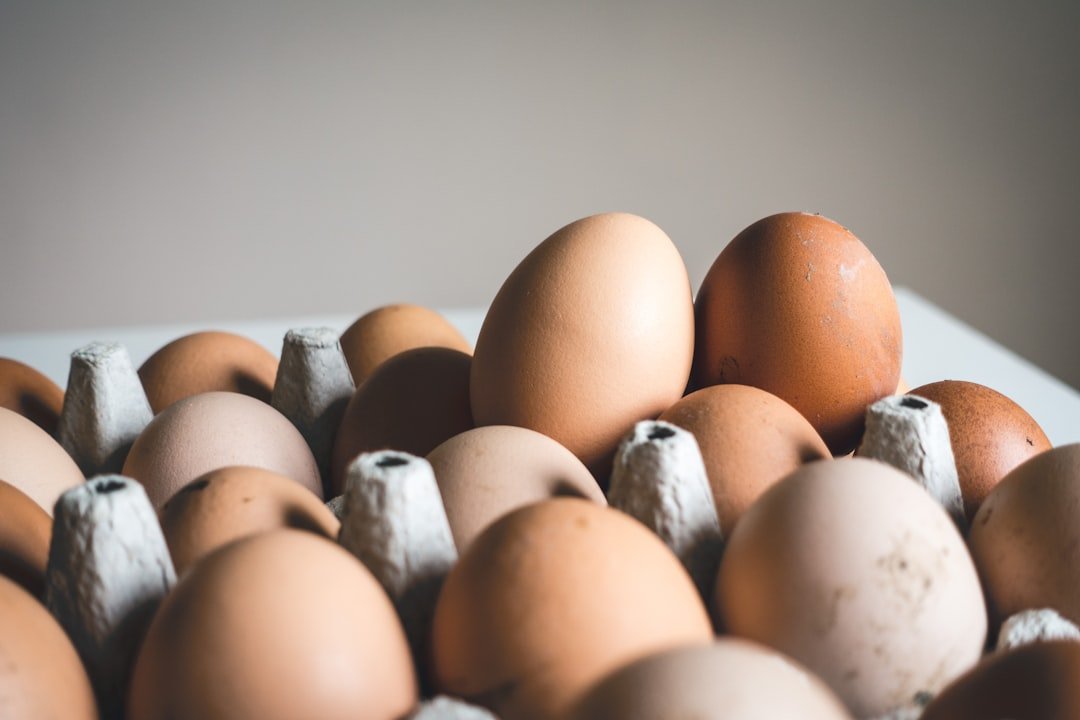
How much did you pay for a dozen eggs last year? If the answer stung, you might be owed a slice of a $3.3 million settlement, and 53 million eggs are heading to food banks as part of the deal.
The U.S. Department of Justice, alongside 17 states, has secured a settlement with major egg producers accused of conspiring to jack up prices. The companies, including Cal-Maine Foods, Rose Acre Farms, and United Egg Producers, will pay $3.3 million in civil penalties and donate over 53 million eggs to food banks and nonprofits across the country. It’s a rare antitrust win for consumers who’ve been shelling out more at the grocery store. But let’s be real: $3.3 million is pocket change for an industry that raked in billions during the egg price spike of 2022-2023.
The lawsuit, filed in federal court in Illinois, alleged that producers colluded to limit supply by reducing hen flocks and exporting eggs overseas, classic price-fixing tactics. The DOJ and attorneys general from 17 states, including California, New York, and Texas, argued this artificially inflated prices for years. The settlement, announced last week, doesn’t admit wrongdoing. But it does require the companies to cough up cash and eggs. Lots of eggs.
The Price-Fixing Playbook: How It Worked
Here’s the gist: between 2016 and 2021, major egg producers allegedly coordinated to reduce the number of laying hens in the U.S. By shrinking supply, they pushed wholesale egg prices higher. Think of it as OPEC for omelets. The DOJ complaint, unsealed in the Northern District of Illinois, detailed emails and phone calls where executives discussed cutting flock sizes. One email reportedly said, “We need to get supply under control or prices will stay in the toilet.”
That’s not a quote from a startup pitch, it’s evidence in a federal antitrust case. The producers also allegedly agreed to export eggs to other countries, further tightening domestic supply. The result? Egg prices that hit $4.25 per dozen in early 2023, according to Bureau of Labor Statistics data. That’s more than double the historical average. For context, the average American household eats about 250 eggs per year. Do the math: that’s an extra $50 to $100 annually for families who can least afford it.
“This settlement sends a clear message that price-fixing in the food supply chain won’t be tolerated,” said Sarah Thompson, antitrust attorney at the Consumer Protection Institute. “But the real question is whether $3.3 million is enough to deter future collusion when the industry’s annual revenue tops $15 billion.”
53 Million Eggs: A Drop in the Basket?
Let’s talk about those eggs. The settlement requires producers to donate 53 million eggs to food banks across 17 states, including California, Texas, Florida, and New York. That sounds like a lot. And it is: roughly 4.4 million dozen eggs. But consider this: the U.S. produces about 100 billion eggs annually. So 53 million represents 0.053% of yearly output. A rounding error.
Still, for food banks struggling with demand, every egg counts. Feeding America, the nation’s largest hunger-relief organization, reported that 1 in 8 Americans faced food insecurity in 2023. Eggs are a high-protein staple that food banks often can’t afford in bulk. “This donation will help families put protein on the table,” said Maria Gonzalez, director of the Midwest Food Bank in Illinois. “But it’s a Band-Aid on a bullet wound. We need systemic change in how food pricing works.”
The 17 states involved in the settlement include Illinois, California, New York, Texas, Florida, and others. Each state will receive a portion of the eggs based on population and need. The cash penalties will be split among the states and the federal government. But here’s the kicker: the companies didn’t admit liability. Standard settlement boilerplate. So legally, they’re not guilty. Practically, they’re paying millions and donating millions of eggs. Draw your own conclusions.
Why This Matters for Your Wallet
Egg prices have been a political lightning rod. In 2022, the average cost of a dozen eggs hit $4.25, up from $1.79 in 2021, according to the Bureau of Labor Statistics. That’s a 137% increase. Inflation played a role, sure. But the DOJ alleges that price-fixing was the secret ingredient. The lawsuit, originally filed in 2020, consolidated claims from consumers, retailers, and food distributors who argued they were overcharged by hundreds of millions of dollars.
For the average shopper, this settlement is a symbolic win. The $3.3 million will be distributed among the states, but don’t expect a check in the mail. The money goes to state antitrust enforcement funds and consumer restitution programs. The eggs, however, will go directly to food banks in the 17 states. That’s real food for real people. But the bigger question is whether this settlement changes behavior. “Price-fixing settlements like this are a cost of doing business for large agribusinesses,” said James Carter, a former DOJ antitrust prosecutor now in private practice. “Unless executives face personal liability or jail time, the deterrent effect is minimal.”
The Price-Fixing Playbook: How It Worked
Here’s the gist: between 2016 and 2021, major egg producers allegedly coordinated to reduce the number of laying hens in the U.S. By shrinking supply, they pushed wholesale egg prices higher. Think of it as OPEC for omelets. The DOJ complaint, unsealed in the Northern District of Illinois, detailed emails and phone calls where executives discussed cutting flock sizes. One email reportedly said, “We need to get supply under control or prices will stay in the toilet.”
That’s not a quote from a startup pitch, it’s evidence in a federal antitrust case. The producers also allegedly agreed to export eggs to other countries, further tightening domestic supply. The result? Egg prices that hit $4.25 per dozen in early 2023, according to the Bureau of Labor Statistics. That’s more than double the historical average. For context, the average American household eats about 250 eggs per year. Do the math: that’s an extra $50 to $100 annually for families who can least afford it.
The lawsuit, originally filed in 2020, consolidated claims from consumers, retailers, and food distributors. It alleged that the producers violated the Sherman Antitrust Act, the same law used to break up Standard Oil and AT&T. The settlement avoids a trial, which would have aired more dirty laundry. But the DOJ got a win, and 53 million eggs for food banks.
Why This Matters for Your Wallet
Egg prices have been a political lightning rod. In 2022, the average cost of a dozen eggs hit $4.25, up from $1.79 in 2021. That’s a 137% increase. Inflation played a role, sure. But the DOJ alleges that price-fixing was the secret ingredient. The lawsuit, consolidated in the Northern District of Illinois, included claims from consumers, retailers, and food distributors who argued they were overcharged by hundreds of millions of dollars.
For the average shopper, this settlement is a symbolic win. The $3.3 million will be distributed among the states, but don’t expect a check in the mail. The money goes to state antitrust enforcement funds and consumer restitution programs. The eggs, however, will go directly to food banks in the 17 states. That’s real food for real people. But the bigger question is whether this settlement changes behavior. “Price-fixing settlements like this are a cost of doing business for large agribusinesses,” said James Carter, a former DOJ antitrust prosecutor now in private practice. “Unless executives face personal liability or jail time, the deterrent effect is minimal.”
And look, this isn’t the first time egg producers have been in hot water. In 2011, a similar price-fixing case resulted in a $25 million settlement. That didn’t stop them. The industry has a history of collusion, and critics argue that the penalties are too small to matter. But the 53 million egg donation is a tangible benefit for food banks in states like California, Texas, and New York, where demand for emergency food assistance has surged. The Feeding America network reported a 20% increase in visitors in 2023 compared to pre-pandemic levels.
53 Million Eggs: A Drop in the Basket?
Let’s talk about those eggs. The settlement requires producers to donate 53 million eggs to food banks across 17 states, including California, Texas, Florida, and New York. That sounds like a lot. And it is: roughly 4.4 million dozen eggs. But consider this: the U.S. produces about 100 billion eggs annually. So 53 million represents 0.053% of yearly output. A rounding error.
Still, for food banks struggling with demand, every egg counts. Feeding America, the nation’s largest hunger-relief organization, reported that 1 in 8 Americans faced food insecurity in 2023. Eggs are a high-protein staple that food banks often can’t afford in bulk. “This donation will help families put protein on the table,” said Maria Gonzalez, director of the Midwest Food Bank in Illinois. “But it’s a Band-Aid on a bullet wound. We need systemic change in how food pricing works.”
The 17 states involved in the settlement include Illinois, California, New York, Texas, Florida, and others. Each state will receive a portion of the eggs based on population and need. The cash penalties will be split among the states and the federal government. But here’s the kicker: the companies didn’t admit liability. Standard settlement boilerplate. So legally, they’re not guilty. Practically, they’re paying millions and donating millions of eggs. Draw your own conclusions.
What This Means for the Broader Economy
This settlement comes at a time when the U.S. labor market is showing signs of cooling. The June Jobs Report showed that the economy added 206,000 jobs, but unemployment ticked up to 4.1%. Wage growth slowed. Consumers are feeling the pinch, and food prices remain stubbornly high. The egg price-fixing case is a reminder that corporate collusion can hit household budgets hard, especially for low-income families who spend a larger share of their income on food.
But there’s a bigger story here. The DOJ has been ramping up antitrust enforcement under the Biden administration. The Antitrust Division has challenged mergers in tech, healthcare, and agriculture. This egg settlement is part of a broader push to hold corporations accountable for price-fixing. Whether it works is another question. The fines are small relative to industry profits. And the egg donation, while welcome, is a fraction of what the companies produce in a single day.
For investors, the takeaway is mixed. Egg producers like Cal-Maine Foods (ticker: CALM) are publicly traded. The settlement is a one-time cost, but the reputational damage could linger. Cal-Maine’s stock barely budged on the news, down 0.3%, suggesting Wall Street isn’t losing sleep over $3.3 million. But the DOJ is watching. And if more evidence of collusion emerges, the next settlement could be much larger.
What’s Next? The Road Ahead for Antitrust Enforcement
This settlement isn’t the end of the story. The DOJ is still investigating other agricultural sectors, including chicken, pork, and beef. The egg case could set a precedent for how the government handles price-fixing in food supply chains. And with the 2024 election looming, antitrust enforcement is a bipartisan issue. Both Democrats and Republicans have criticized corporate consolidation in agriculture.
For consumers, the immediate impact is minimal. You won’t see a refund at the checkout counter. But the 53 million eggs will help feed families in need. And the settlement sends a signal that the government is watching. Whether that signal is loud enough to deter future collusion is the million-dollar question, or in this case, the $3.3 million question.
As for the egg producers, they’ll continue business as usual. The settlement doesn’t require them to change their practices. But the DOJ will monitor compliance for the next five years. If they slip up again, the penalties could be steeper. For now, the industry is cracking under scrutiny, but not breaking.
Frequently Asked Questions
Will I get money from this settlement?
No. The $3.3 million in cash penalties goes to the federal government and the 17 states involved. It will fund antitrust enforcement and consumer restitution programs, not direct payments to individuals. The 53 million eggs are being donated to food banks.
Which states are included in the settlement?
The 17 states are: California, Colorado, Connecticut, Florida, Illinois, Iowa, Maine, Massachusetts, Michigan, Minnesota, Nebraska, New Hampshire, New Jersey, New York, Oregon, Texas, and Washington. If you live in one of these states, your local food bank may receive eggs.
Did the egg producers admit to price-fixing?
No. The settlement includes a standard clause where the companies deny any wrongdoing. They agreed to pay the penalties and donate the eggs to avoid a costly trial. The DOJ maintains that the evidence supports the allegations of price-fixing.