



Nobody’s talking about this, but while the headlines scream about inflation finally cooling and the Bank of England hinting at rate cuts, there’s a freight train barrelling down the tracks for over a million UK homeowners. They’re about to get slammed with higher mortgage payments, and most aren’t ready for it.
The numbers are stark. According to fresh data from UK Finance, roughly 1 million fixed-rate mortgage deals are set to expire between now and the end of 2025. When these homeowners refinance, they’re looking at an average monthly jump of £45. That’s £540 a year. For families already squeezed by food and energy bills, it’s another gut punch.
And here’s the kicker: this isn’t a one-off. We’re talking about a rolling wave of resets that’ll keep hitting the housing market for the next 24 months. If you locked in a two-year fix back in 2022 at sub-2% rates, you’re about to wake up to a world where 4.5% is considered a ‘good’ deal. The days of cheap money are gone. And they’re not coming back anytime soon.
The Mechanics of the Squeeze
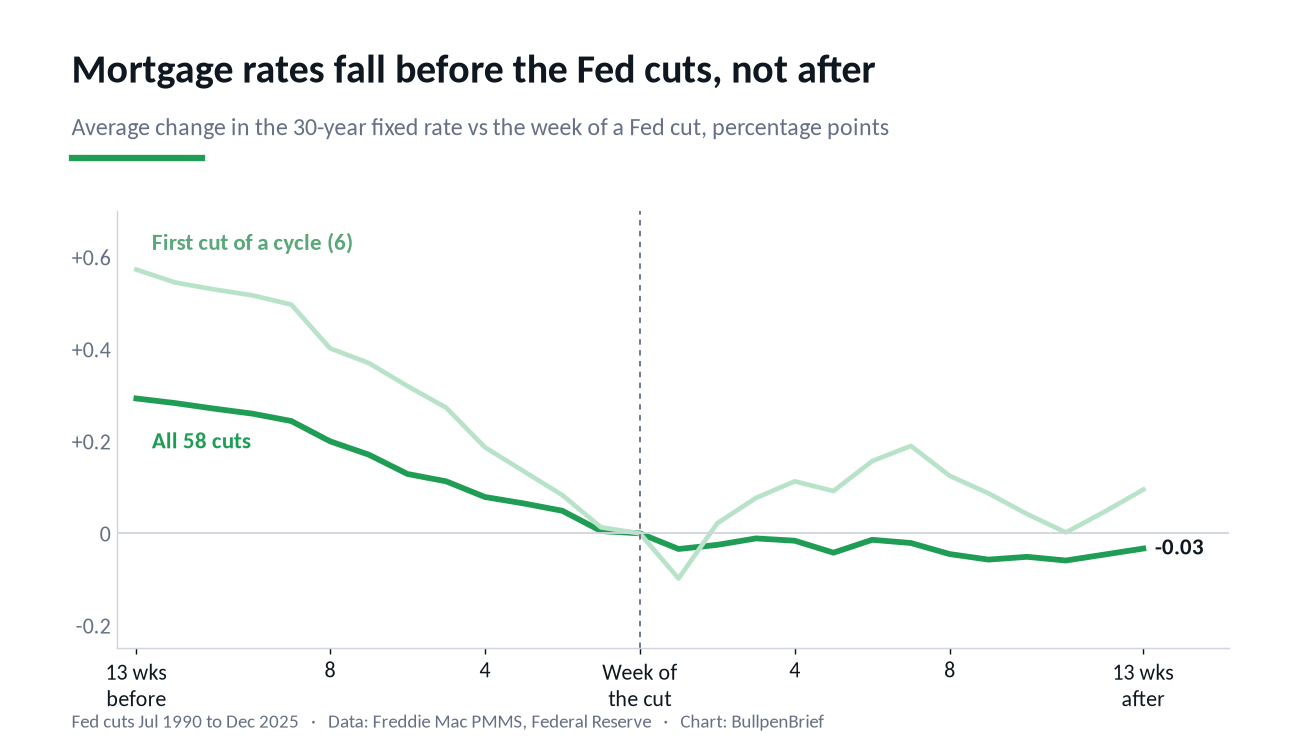
Let’s break down what’s actually happening. The Bank of England base rate sits at 5.25% as of April 2025, down from the peak of 5.5%, but still miles above the 0.1% we saw in 2021. Lenders price their fixed-rate mortgages off swap rates and gilt yields, both of which have stayed elevated. The result? The average two-year fixed rate right now is around 5.6%, according to Moneyfacts. For a homeowner with a £200,000 mortgage on a 25-year term, moving from a 2% fix to a 5.6% fix adds about £225 to monthly payments. Yes, £225. The £45 figure is an average across all borrowers, some will face much bigger jumps.
The people hardest hit are those who bought at peak prices in 2021-2022 with small deposits. They’ve already seen their equity shrink as house prices dipped. Now they’re refinancing into higher rates with less room to absorb the shock. Sound familiar? It’s a rerun of the early 1990s, minus the double-digit rates, but with a similar vibe of financial vertigo.
Bank Behavior Under the Microscope
This is where the story gets tangled. While banks are happy to hike SVRs (standard variable rates) and tighten affordability checks, they’re also being called out for how they treat struggling customers. Banks have been accused of pushing vulnerable customers away from basic accounts, making it harder for those hit by mortgage shock to access cheaper products or restructuring options. It’s a nasty feedback loop: higher payments force people to cut spending, which hurts the economy, which makes banks even more risk-averse. And vulnerable borrowers, the elderly, the self-employed, the gig economy workers, are the first to get pushed to the back of the queue.
“We’re seeing a two-tier market. Borrowers with strong credit histories and 40% equity are getting competitive rates. But anyone with a checkered past or a small deposit is being quoted rates that are effectively punitive. The mortgage market has never been more split.”, Sarah Li, Senior Mortgage Broker at London & Country Mortgages
That quote hits at the core of the problem. It’s not just about the £45 a month. It’s about who bears the brunt. And while the well-off can ride this out, the stretched buyer who borrowed at 90% LTV is staring at a potential payment shock that could tip them into arrears. The Bank of England’s own Financial Stability Report from November 2024 warned that around 400,000 households could exhaust their savings within 12 months of refinancing at current rates. That number has probably grown since then.
What This Means for the Housing Market
Higher mortgage payments don’t just hurt individual budgets, they freeze the entire market. If you’re sitting on a 2% fix that expires in 2025, you’re terrified to move because you’d lose that cheap deal. So you stay put. That locks up supply. First-time buyers can’t get a foothold because there’s nothing on the market. Rents keep climbing as would-be buyers stay in rental properties. It’s a chain reaction that the Bank of England watches nervously but can’t do much about without cutting rates, which risks reigniting inflation. Hard place, meet rock.
“The mortgage market is in a state of suspended animation. The only way to break the logjam is for rates to fall sustainably, but that requires inflation to stay under 2% for at least six months. We’re not there yet.”, James Tipping, Chief Economist at Redwood Financial Advisors
James Tipping’s point is key. The market’s waiting for a signal, a clear dovish pivot from the Monetary Policy Committee. But with services inflation still sticky at 4.5% (as of March 2025 data from the Office for National Statistics), the MPC can’t afford to blink too early. Governor Andrew Bailey hinted at a ‘gradual’ easing path in his February speech, but ‘gradual’ doesn’t mean ‘soon’. So millions of homeowners are stuck, unable to refinance at attractive rates, unable to sell without taking a loss, and unable to save at a pace that offsets the increased mortgage cost.
The Ripple Effect to Banks Basics
There’s another layer to this: as households cut back spending, banks see loan demand drop and defaults rise. That’s why the accusation of pushing vulnerable customers away from basic accounts is more than a side story, it’s a direct consequence of the mortgage squeeze. When people can’t afford their payments, they start looking for every possible escape hatch. Switching banks, using overdrafts, cutting insurance cover. And banks, in turn, become less willing to offer grace. The Financial Conduct Authority has been monitoring this closely, but their guidelines on ‘tailored support’ often get lost in fine print.
Look, this isn’t a crisis like 2008, not yet. Lenders are better capitalised, and unemployment is low. But the slow bleed of 1 million households paying an extra £540 per year is going to drag on consumer spending, hit retail and service sectors, and make the UK’s economic recovery feel hollow. The next two years will tell us whether the housing market can ‘absorb’ this shock or whether it’ll crack under the pressure.
Forward-looking? Expect the Bank of England to cut rates to about 4.25% by year-end 2025, but that still leaves the average mortgage rate around 4.8%, nearly triple what borrowers enjoyed in 2021. The bottom line: if you’ve got a fix expiring in the next 18 months, start shopping around now. And if you’re already stretched, brace for that £45, and hope it doesn’t get worse.
Frequently Asked Questions
Why are mortgage rates still high when the Bank of England base rate is falling?
Mortgage rates are more closely tied to swap rates and gilt yields than the base rate directly. Even if the base rate drops, if financial markets expect future inflation to stay elevated, swap rates remain high. Lenders also price in risk, if they see more borrowers struggling, they’ll add a premium to protect themselves.
How can I minimise the impact of a mortgage rate increase when my fix ends?
Start looking for a new deal four to six months before your fix expires. Use a whole-of-market broker to compare products. Consider a longer fix (five years) to lock in current rates if you believe rates won’t fall dramatically. If you have equity, ask about product transfers with your existing lender, they often avoid a new affordability check. And if you’re struggling, contact your lender immediately to discuss a payment plan; they’re required to offer ‘tailored support’ under FCA rules.
Will house prices crash because of this mortgage shock?
Probably not a crash, but a continued stagnation or mild decline. The £45 average monthly increase doesn’t force mass selling, but it does reduce demand from new buyers and locks current owners in place. That means lower transaction volumes and potential 5-10% real-term price falls over two years, adjusting for inflation. A full crash would require a jump in unemployment or a sudden rate shock, neither of which is likely in the near term.