



If you’ve been waiting for mortgage rates to drop before shopping for a house, you’re not alone. But the numbers say you might be waiting a while longer. The average 30-year fixed mortgage rate is hovering around 6.9% as of this week, according to Freddie Mac data. That’s barely budged from the 7% peak we saw in late 2024. And here’s the kicker: the bond market is pricing in a higher-for-longer scenario that few economists predicted six months ago.
The Freddie Mac Primary Mortgage Market Survey shows the 30-year fixed averaging 6.87% for the week ending March 13, down just 0.13 percentage points from the same week last year. Meanwhile, the 15-year fixed sits at 6.10%, virtually flat month-over-month. This isn’t a crash, it’s a grind. And it’s crushing the spring housing market, typically the busiest season for home sales.
But here’s what the headlines aren’t telling you: the real story isn’t just rates. It’s the gap between what buyers think rates will do and what the market is actually signaling. Let me explain.
The Fed Pivot That Wasn’t
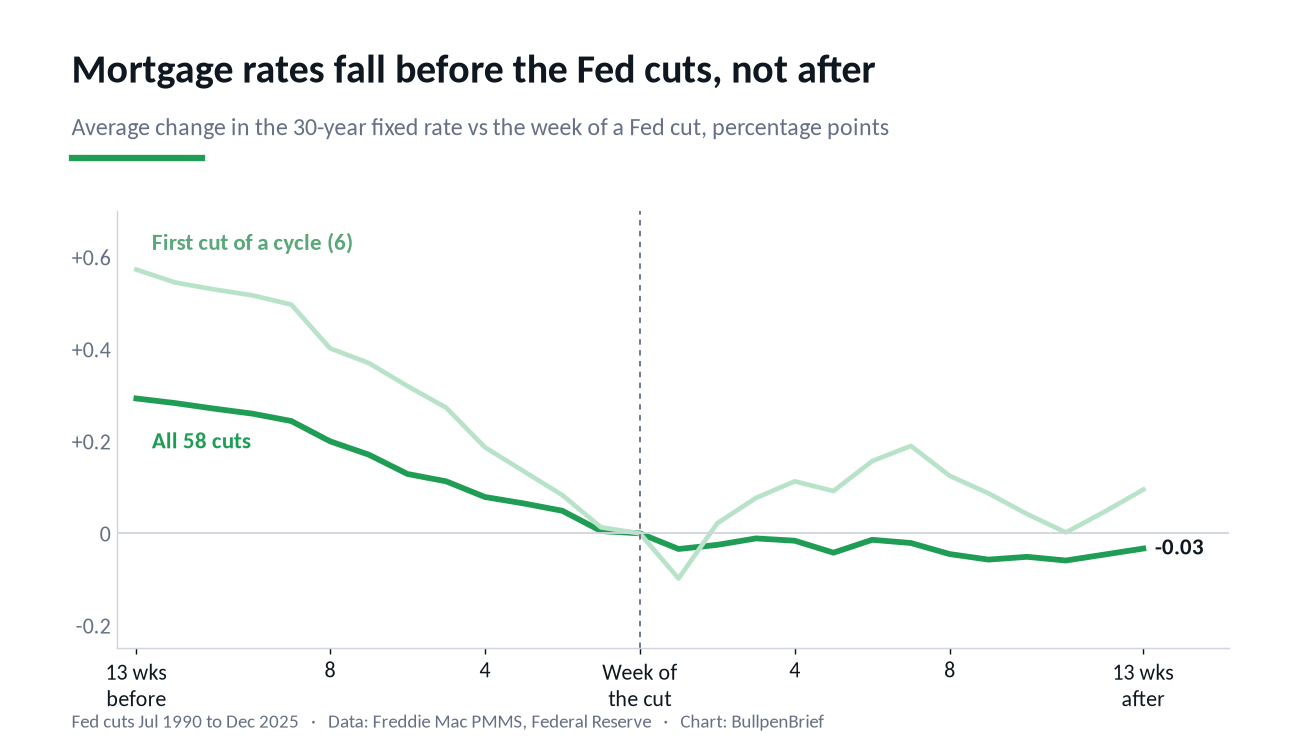
Back in December, the market was pricing in three to four rate cuts from the Federal Reserve in 2025. The futures market had odds of a cut as early as March sitting above 60%. Fast forward to today, and those odds have collapsed to roughly 25% for March, with the first cut now expected no earlier than June. The CME FedWatch Tool currently shows a 58% probability rates stay put through the spring.
Why the shift? Two things. First, inflation isn’t dead. The Consumer Price Index for January came in at 3.1% year-over-year, still above the Fed’s 2% target. Second, the labor market refuses to crack. The economy added 353,000 jobs in January, nearly double expectations. That’s not the kind of data that screams “cut rates now.”
So mortgage rates are stuck. And they’re likely to stay stuck until either inflation cools convincingly or the jobs market takes a real hit. Neither looks imminent.
What This Means for Buyers and Sellers
For buyers, the math is brutal. At 6.9% on a $400,000 loan, the monthly payment is roughly $2,635. That’s about $400 more per month than the same loan would have cost at 4% in 2021. And home prices haven’t come down to compensate. The median existing-home price hit $379,100 in January, up 5.1% year-over-year according to the National Association of Realtors. So buyers are paying more for the same house, with more expensive debt.
For sellers, it’s weirdly mixed. Yes, prices are up. But inventory is rising too. Months of supply hit 3.0 in January, the highest since mid-2020. That’s still a seller’s market (anything under 5 months favors sellers), but the trend is clear. More listings are sitting longer. Price cuts are becoming more common. The Zillow data shows nearly 20% of listings have had at least one price reduction, up from 14% a year ago.
Look, if you’re a homeowner who locked in a 3% mortgage in 2020, you have zero incentive to move. Why trade that for 7%? That “rate lock-in effect” is real. It’s the single biggest factor keeping existing-home inventory tight even as new listings trickle in. And it’s not going away.
Second-Order Effects You’re Not Seeing
Here’s where the analysis gets interesting. The mortgage rate standoff is rippling into unexpected corners. Homebuilder stocks, for example, have rallied 12% year-to-date because builders can offer rate buydowns (temporary or permanent reductions) that individual sellers can’t. That gives them a pricing advantage. But it also means they’re eating margin to move units. The National Association of Home Builders reported builder confidence dipping in February, and the share of builders cutting prices hit 31%.
Then there’s the refinancing market. It’s practically dead. The Mortgage Bankers Association refinance index is down 70% from 2021 levels. That means no one is refi-ing. Which means banks are sitting on a pile of low-yielding mortgages from the COVID era while paying higher rates on deposits. That’s a profit squeeze. And it’s part of why regional bank stocks are still under pressure.
And for crypto and fintech watchers? The lack of rate relief is pushing more yield-seeking capital into decentralized finance protocols. DeFi lending yields on Aave and Compound are currently 4.5% to 6%, competitive with money market funds. Expect that trend to accelerate if mortgage rates stay sticky.
Meanwhile, the market is ignoring the jobs data. That’s a problem. If investors are wrong about the Fed, and rates stay higher than the futures market predicts, the repricing could hit everything from REITs to tech stocks. Again.
Where Rates Go From Here
The bond market is sending a signal worth watching. The 10-year Treasury yield, which mortgage rates loosely track, has been bouncing between 4.1% and 4.3% for weeks. If it breaks above 4.5%, expect mortgage rates to push past 7.5%. If it sinks below 4%, we could see 6.5% by summer. But right now, there’s no catalyst for either move.
My read? The most likely path is a slow drift lower starting in the second half of 2025, assuming inflation continues its grudging decline. But don’t hold your breath for sub-6% rates this year. That ship sailed when the economy refused to slow down.
For buyers, the playbook hasn’t changed: buy if you can afford the payment and plan to stay in the house for at least 7 years. Don’t try to time rates. For sellers, price realistically, because the buyers who are left have options. And for everyone else, watch the 10-year yield. That’s your canary.
Frequently Asked Questions
Will mortgage rates drop below 6% in 2025?
Unlikely. Most forecasts from Fannie Mae, the Mortgage Bankers Association, and Goldman Sachs see rates averaging between 6.3% and 6.8% for 2025. A drop below 6% would require a sharp recession or a sudden collapse in inflation, neither of which is currently expected. The Fed has signaled caution, and the labor market remains strong.
Should I buy a house now or wait for rates to fall?
That depends on your personal finances and timeline. If you find a house you love at a price you can comfortably afford, buying now locks in a price and avoids further price appreciation risk. Waiting for lower rates could save you money monthly but risks higher home prices and more competition. Historically, trying to time the mortgage market is a losing game. Run the numbers on both scenarios and factor in how long you plan to stay.
How do mortgage rates affect the crypto market?
Indirectly, but meaningfully. High mortgage rates reduce disposable income for average households, potentially reducing demand for speculative assets like crypto. They also keep yields on traditional safe assets (like Treasuries) elevated, which competes with DeFi yields. On the flip side, if rates stay high for longer, it could drive yield-seeking capital into DeFi lending protocols offering 5-6% returns. Correlation is not perfect, but rising rates are generally a headwind for crypto risk appetite.