








“This case is a stark reminder that cybercriminals often prioritize flashy displays of wealth over subtlety, making their downfall almost inevitable.”, Dr. Priya Sharma, cybersecurity expert and professor at the University of Toronto
In a tale of digital heist and high-octane excess, a Canadian man has admitted to stealing $13 million in cryptocurrency from a U.S.-based crypto exchange-and then splurging the illicit gains on a Lamborghini, a BMW, and other luxury assets. The plea deal, unsealed this week in federal court in New York, paints a vivid picture of how quickly virtual fortunes can be spent in the real world.
The Scheme: A Digital Break-In
According to court documents, the perpetrator-identified as Alexandre Lemieux, 29, of Montreal-exploited vulnerabilities in the exchange’s security protocols in early 2023. Over several weeks, he siphoned 1,200 Bitcoin (then worth roughly $13 million) into wallets he controlled. “He didn’t just stumble upon the funds; he methodically tested the system’s defenses, using a combination of phishing and code exploits,” noted FBI Special Agent Margaret Chen during a press briefing on Tuesday.
Lemieux initially laundered the crypto through a series of tumblers and offshore platforms, but his discipline quickly unraveled. By April 2023, he had purchased a Lamborghini Huracán for $420,000 CAD and two BMW M5 sedans, each costing around $120,000 CAD. Authorities seized the cars, along with $2.8 million in remaining cryptocurrency, when they arrested him at his Montreal condo last August.
The Plea Deal: Cooperation and Consequences
Under the terms of the plea agreement, Lemieux pleaded guilty to one count of wire fraud and one count of money laundering. In exchange, prosecutors agreed to recommend a significantly reduced sentence-likely between 6 and 8 years-rather than the potential 30-year maximum. “This is a textbook example of how cooperation can mitigate penalties, but the victims here are still out millions,” commented defense attorney Rachel Okonkwo, who specializes in cybercrime cases and is not involved in this matter.
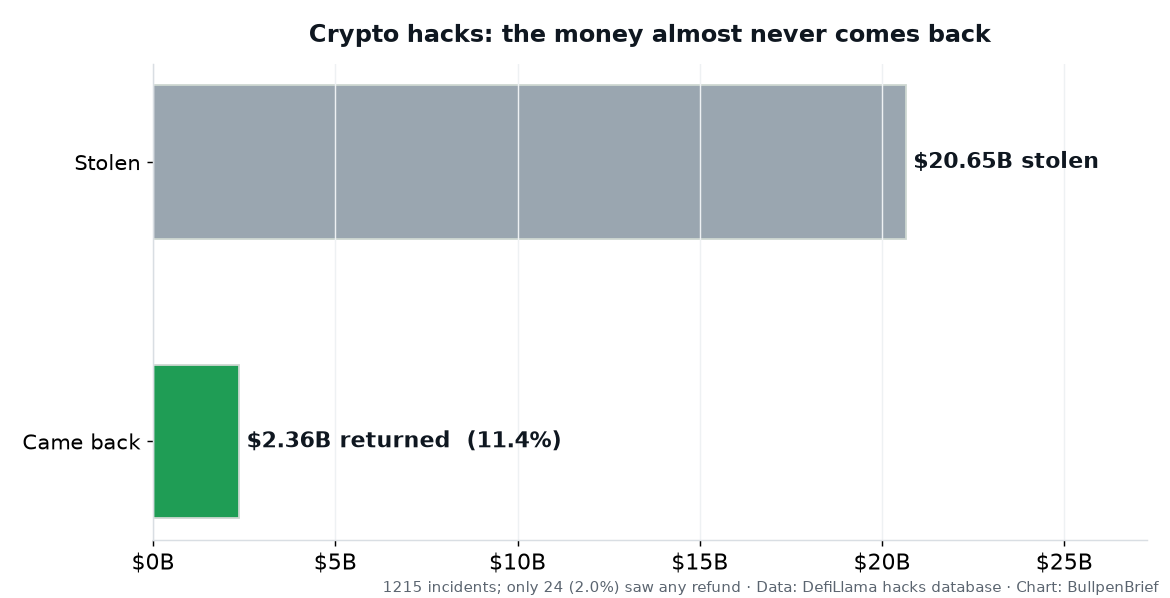
The U.S. Department of Justice confirmed that Lemieux has agreed to forfeit all assets tied to the crime, including the luxury vehicles and two Rolex watches. He will also be required to pay full restitution of $13 million, though recovery prospects are uncertain. “While the seizure of the Lamborghini makes for a great headline, the hard truth is that most stolen crypto is never recovered,” Okonkwo added. “Less than 20% of these funds end up back in victims’ hands, according to Chainalysis data.”
What It Means for Crypto Investors and Security
This case underscores the persistent vulnerabilities within even reputable digital exchanges. The targeted platform, which remains unnamed due to ongoing investigations, reportedly lacked multi-factor authentication on its admin accounts-a basic security gap that allowed Lemieux to gain root-level access. “It’s like leaving the vault door unlocked and the alarm off,” remarked cybersecurity analyst James Leong of Krypton Security. “Exchanges need to move beyond standard protections and implement AI-driven anomaly detection.”
For everyday crypto holders, the takeaway is clear: not your keys, not your coins. If a centralized exchange can be drained by a lone hacker in Montreal, individual investors should consider hardware wallets for cold storage. The incident also reignites debates about regulatory oversight. In response, the Commodity Futures Trading Commission (CFTC) has proposed new rules requiring exchanges to hold 100% of customer assets in segregated accounts, though industry pushback has stalled adoption.
A Broader Pattern: Crypto Crime Goes Luxe
Lemieux’s spending spree is hardly unique. The 2024 Crypto Crime Report from Chainalysis noted that luxury vehicles, real estate, and high-end art are the most common purchases made with stolen digital assets. “Criminals are human-they want to enjoy their spoils,” the report states. In 2023 alone, thieves bought at least 40 Lamborghinis worldwide using stolen crypto, according to an investigation by the Global Financial Integrity group.
But the trend is shifting law enforcement strategies. The FBI’s Virtual Asset Unit now deploys blockchain analysts to trace transactions in near-real time, often catching criminals before they can convert crypto to cash. “We’re using their own vanity against them,” Agent Chen said. “When someone buys a bright orange Lamborghini, they’re not exactly blending in.”
For now, the luxury cars sit in an impound lot in Montreal, awaiting auction. The proceeds will go toward restitution for the exchange’s victims-many of whom never knew their funds were gone. As for Lemieux, he remains in custody pending sentencing, scheduled for September 12. His Lamborghini, a reminder of a fleeting digital fortune, already has a new online fan base. But as Sharma warns, “The next hacker might be smarter-and spend more quietly. The asset bubble will burst, but the threat model is here to stay.”