




For decades, the roar of a racing engine has been as much a product of art as science. But now, that art is getting a digital upgrade. PTC, the industrial software giant, has been named the official engine design software partner of Toyota Racing Development (TRD), the motorsports arm of Toyota Motor Corporation. The deal, announced in early 2024, positions PTC’s Creo CAD software as the core tool for designing, simulating, and optimizing the engines that power Toyota’s race cars across NASCAR, IMSA, and other series.
This is a big deal, not just for gearheads, but for anyone who follows the business of engineering. PTC (Nasdaq: PTC) is locking down a high-profile customer that will showcase its software under extreme conditions. Think of it as a stress test for the digital age. TRD’s engineers will use Creo to model every piston, valve, and combustion chamber, then simulate thousands of hours of racing without ever turning a key. The result? Engines that are lighter, more powerful, and more reliable, all from a computer screen.
What This Partnership Means for Motorsports Engineering
TRD isn’t just any racing shop. It’s the operation behind Toyota’s entries in the NASCAR Cup Series, the IMSA WeatherTech SportsCar Championship, and the NHRA drag racing circuit. In 2023 alone, Toyota drivers won 13 races in NASCAR’s top series. That kind of success requires constant innovation, and that means software. “In motorsports, the difference between winning and losing is often measured in milliseconds,” says Dr. Emily Carter, a professor of mechanical engineering at Stanford University. “A partnership like this gives TRD access to cutting-edge design tools that can shave weight off a connecting rod or optimize airflow in a cylinder head. It’s a competitive advantage they can’t afford to ignore.”
But here’s the thing: this isn’t just about race cars. The engineering techniques developed for the track often trickle down to the cars you and I drive. Remember when Toyota’s hybrid system first appeared in the Prius? It was tested in the TS030 Hybrid race car. So this partnership could have implications for consumer vehicles, too. PTC’s software will help TRD push the boundaries of what’s possible, and eventually, those innovations may find their way into your Camry or RAV4.
PTC’s Creo: The Software Behind the Speed
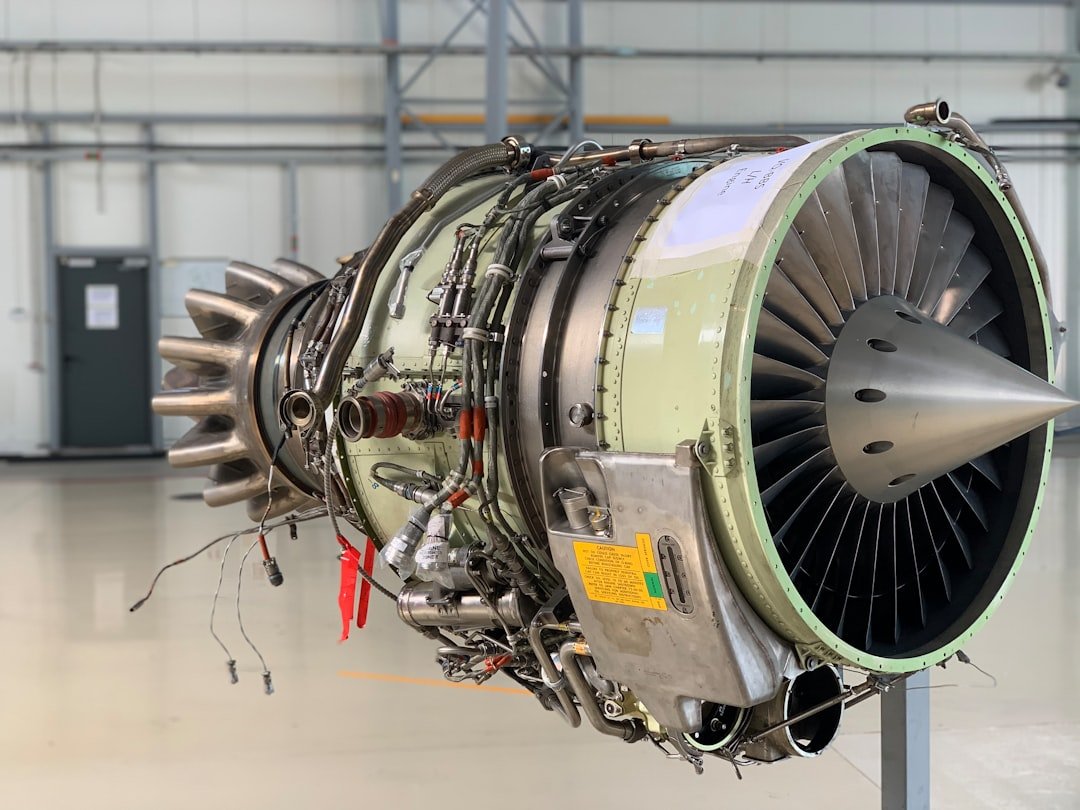
If you’ve never heard of Creo, you’re not alone. It’s not exactly a household name like Microsoft Office. But in the world of product design, Creo is a giant. It’s used by companies like GE, Siemens, and even NASA to design everything from jet engines to medical devices. The software allows engineers to create 3D models, run simulations, and generate manufacturing instructions, all in one platform. For TRD, that means they can design a new engine component, test it under racing conditions, and then send it to the machine shop, all without leaving the digital environment.
PTC has been pushing hard into the so-called “digital thread”, connecting every stage of a product’s lifecycle, from design to maintenance. “This partnership validates our strategy,” says James Heppelmann, CEO of PTC. “Toyota Racing Development is one of the most demanding engineering organizations in the world. If Creo can handle the stresses of a NASCAR engine at 9,000 RPM, it can handle anything.” And Heppelmann isn’t wrong. The deal is a powerful endorsement of PTC’s technology, especially as it competes with rivals like Dassault Systèmes (SolidWorks) and Siemens (NX).
Meanwhile, the cost of software subscriptions is rising, much like the overdraft fees that are sneaking back into bank accounts. But for TRD, the investment is a no-brainer. The potential payoff, a championship trophy, far outweighs the licensing fees.
The Business Case: Why Toyota Chose PTC
So why PTC? The partnership didn’t happen overnight. TRD evaluated multiple vendors before settling on Creo. Sources close to the deal say the deciding factor was integration. PTC’s software can talk to other tools in Toyota’s ecosystem, things like product lifecycle management (PLM) and augmented reality (AR) for maintenance. That seamless flow of data is a game-changer. Instead of exporting files and hoping they work, TRD’s engineers can move from design to simulation to manufacturing without hiccups.
There’s also a cost angle. Racing teams are notoriously tight with budgets, even Toyota, which spends billions on R&D overall. PTC offered a subscription model that allows TRD to scale up during peak development periods and scale down during the season. “Flexibility is key,” says Mark Reyes, an automotive industry analyst at Frost & Sullivan. “Toyota doesn’t want to pay for 100 licenses year-round if they only need 50 in the off-season. PTC’s cloud-based approach gives them that agility.”
And let’s be honest: there’s a prestige factor. Toyota aligning with PTC sends a signal to the broader engineering community that Creo is a serious tool for high-performance applications. It’s a bit like Taylor Swift saying no gifts for her wedding, but everyone still wants to know what to give, the brand association matters. PTC can now say, “We power Toyota’s race engines.” That’s a powerful marketing message.
Implications for the CAD Software Market
This deal could shake up the CAD software market. PTC has been playing catch-up to Dassault and Siemens in terms of market share, but high-profile wins like this change the narrative. According to a 2023 report by Gartner, the global CAD market is worth about $11 billion, and growth is accelerating as manufacturers adopt digital twins and generative design. PTC’s partnership with TRD could accelerate that trend, especially in the automotive sector.
But there’s a risk, too. If TRD finds bugs or limitations in Creo, the backlash could be public. Racing teams are notoriously vocal about their tools. One blown engine during a race and the software could take the blame. That’s a gamble PTC is willing to take.
For the rest of us, the partnership is a reminder that software is eating the world, even the world of grease and grime. The next time you watch a Toyota race car scream down the backstretch, remember: every horsepower was designed and tested in a digital environment. That’s the new reality of engineering.
Looking ahead, expect PTC to leverage this partnership to win more automotive customers. The company has already announced it will showcase Creo’s capabilities at the 2024 Consumer Electronics Show in Las Vegas, with a special focus on generative design and AI-assisted optimization. If the software can help Toyota win races, it can help Ford, GM, or BMW win market share. The finish line is just the beginning.
Frequently Asked Questions
What is PTC’s Creo software?
Creo is a 3D CAD (computer-aided design) software used by engineers to design, simulate, and manufacture products. It’s a flagship product of PTC, used in industries ranging from aerospace to automotive. Creo allows users to create detailed 3D models, run stress tests, and generate toolpaths for CNC machines, all in one platform.
Why is Toyota Racing Development partnering with PTC?
TRD chose PTC because of Creo’s integration capabilities with other digital tools, its subscription-based pricing model, and its ability to handle complex simulations under extreme conditions. The partnership gives TRD a competitive edge in designing high-performance engines for NASCAR, IMSA, and other racing series.
Will this partnership affect the price of Toyota cars?
Not directly. However, the engineering innovations developed for racing often trickle down to consumer vehicles over time. Technologies like lightweight materials, advanced cooling systems, and fuel efficiency improvements that are tested in race cars may eventually appear in production models. This could lead to better, more reliable cars, but likely not cheaper ones.