


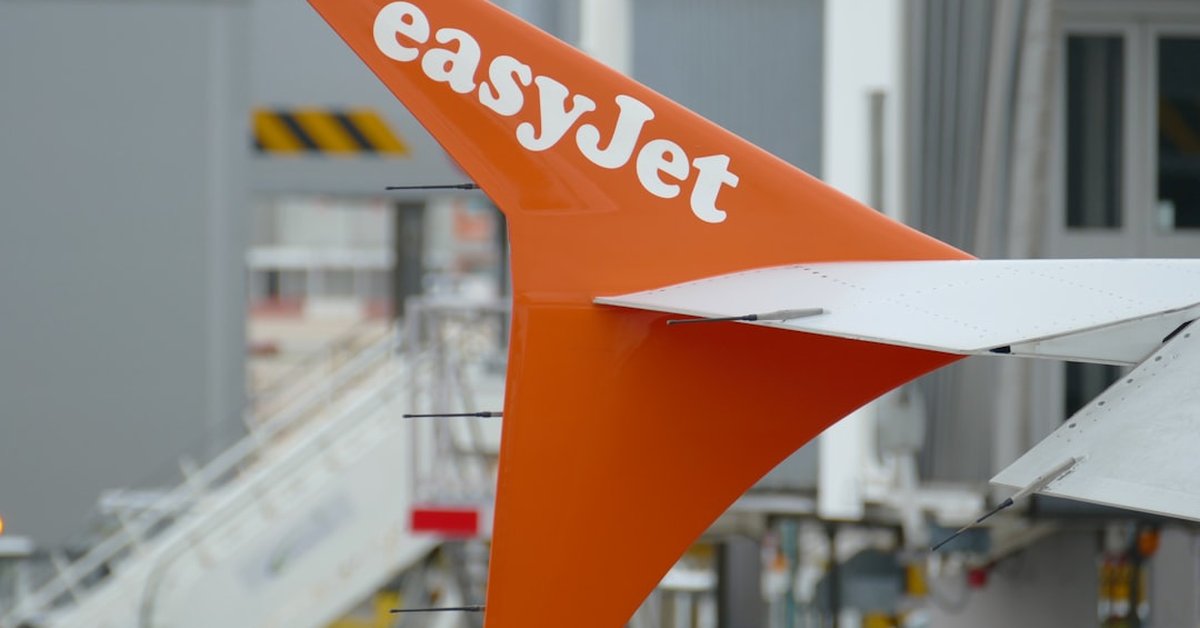
For months, the narrative was simple: EasyJet was a fortress, a stubbornly independent low-cost carrier that would rather fly empty seats than sell out to a Yankee hedge fund. They said it four times. Four rejection letters to Castlelake, each more defiant than the last. But numbers don’t lie, and neither does a £5.2 billion ($6.7 billion) offer that finally broke the boardroom’s back.
On Wednesday, the Luton-based airline announced it had agreed ‘in principle’ to a takeover by Castlelake, the U.S. investment firm that had been circling since early 2024. The deal values EasyJet at roughly £5.2 billion, including debt, a 42% premium over its undisturbed share price. Shareholders will receive 675 pence per share, a mix of cash and stock in a new private entity. But let’s be real: this isn’t a victory lap for anyone. It’s a surrender, dressed up in M&A jargon.
The Deal That Almost Wasn’t
Castlelake didn’t just walk in and buy a cheap ticket. They came hard, with four failed bids between February and June 2025, starting at 480 pence and creeping up to 620 pence. Each time, EasyJet’s board, led by Chair Stephen Hester, said no. They argued that the airline’s post-pandemic recovery was just gaining altitude, with record summer bookings and a fleet modernization plan that would squeeze costs by 15% by 2027.
So what changed? Two things: fuel prices and the pound. Jet fuel costs have surged 18% since April, hammering profit margins across European aviation. Meanwhile, sterling weakened 6% against the dollar, making EasyJet’s British earnings less attractive to foreign suitors, unless they moved quickly. Castlelake, sensing the window narrowing, came back with a £5.2bn all-in offer that included a breakup fee clause. The board blinked.
“This was not a hostile bid, it was a slow, methodical siege. Castlelake knew EasyJet’s cash flow profile better than EasyJet did. The final offer made financial sense for shareholders who had been suffering from stagnant share prices for years.”
– Sarah Collins, Senior Aviation Analyst at Bernstein
Why Now? The Financial Calculus
Let’s talk numbers, because that’s what moves markets. EasyJet’s operating margin for fiscal 2025 is projected at just 6.2%, anemic compared to Ryanair’s 12.4% and Wizz Air’s 9.1%. The airline carries £1.1 billion in net debt, and its plan to upgrade 40% of its A320 fleet hinges on financing that’s getting pricier by the quarter. Castlelake’s offer essentially bails out that capex cycle.
For Castlelake, this is a bet on consolidation. The U.S. firm already owns stakes in Spirit Airlines and Brazilian carrier Azul. By snapping up EasyJet, they gain access to 56 UK and European airports, including coveted slots at Gatwick, Manchester, and Amsterdam Schiphol. Think of it as buying a network, not just a plane set. And with EU airport chaos likely to repeat this summer, having a private airline means they can adjust pricing algorithms without public shareholder scrutiny. That flexibility is gold.
But there’s a catch. The deal requires regulatory approval from the UK’s Competition and Markets Authority (CMA) and the European Commission. Castlelake already controls a minority stake in Wizz Air, and combining influence over two competing low-cost carriers could raise antitrust red flags. Expect a 6- to 9-month review window. And if it fails? EasyJet gets a £150 million breakup fee, not enough to cover reputational damage.
What This Means for Passengers and Shareholders
Passengers might see higher fares in the short term. Castlelake will likely cut unprofitable routes, think less-frequented holiday destinations like Dubrovnik or Menorca, and redeploy aircraft on high-demand trunk routes like London-Barcelona and Manchester-Malaga. That’s a classic private equity play: prune the network, raise load factors, boost revenue per seat. But don’t expect EasyJet’s famed punctuality to suffer, Castlelake knows that’s the brand’s core differentiator.
Shareholders, meanwhile, are getting a 42% premium. Many institutional investors who held through the pandemic are finally cashing out. But retail investors who bought in at 400p in 2023 are sitting on a 68% gain, not bad for a two-year hold. The question is: do they trust Castlelake to run the airline better than the current management? History is mixed. Private equity in European aviation has produced winners (think of what 3i did with easyJet? No, that’s different) and losers (Monarch Airlines collapse).
One thing is certain: the deal reshapes the low-cost landscape. Ryanair now faces a well-capitalized rival with deep U.S. pockets and no need to report quarterly earnings. Competitors like Jet2 and TUI may need to respond, either through consolidation or cost-cutting. And for travelers, the golden era of ultra-cheap flights may be ending. Reuters reported that Castlelake already plans to hike ancillary fees (baggage, seat selection, priority boarding) by 10-15% within 12 months.
The Regulatory Hurdle Ahead
Don’t pop the champagne yet. The CMA has been aggressive on airline deals, just look at how it blocked the Virgin Atlantic-Air France JV expansion in 2023. Castlelake’s existing minority stake in Wizz Air could trigger a ‘share of supply’ test. If the combined market share on overlapping routes exceeds 40%, the deal faces a Phase 2 investigation. EasyJet and Wizz Air together command about 22% of UK short-haul seats, close enough to trip wires.
Castlelake has a plan: they’ll likely offer to divest the Wizz Air stake entirely. But that takes time and a buyer. And if no buyer emerges at a decent price? The entire deal could unravel. That’s why the ‘in principle’ language matters, it’s a handshake, not a signature. Lawyers are still drafting the fine print on governance, debt restructuring, and employee protections. EasyJet’s staff unions have already demanded guarantees on jobs and pensions.
So what’s next? Look for a formal shareholder vote by late August, with regulatory filings in September. If all goes smoothly, the acquisition closes by Q2 2026. But ‘smoothly’ is a word that rarely applies to airline M&A. One thing’s for sure: the days of EasyJet as a public company are numbered. After 30 years on the London Stock Exchange, it’s going private, and going American. The orange tail might keep flying, but the cockpit will have a very different captain.
Frequently Asked Questions
Why did EasyJet reject four earlier offers?
The board believed the original bids undervalued the airline’s post-pandemic recovery potential, particularly its strong summer 2025 forward bookings and cost-saving fleet upgrades. Castlelake’s final offer reflected a 42% premium, making it hard to ignore.
Will the takeover affect my existing EasyJet bookings?
No immediate changes. All existing tickets, frequent flyer points, and operational policies remain in place until regulatory approval and formal transfer. If the deal closes, future pricing and route networks may shift, but you’ll get advance notice.
What happens if regulators block the deal?
EasyJet would receive a £150 million breakup fee and remain a standalone publicly traded company. However, the failed process could hurt investor confidence and leave the airline vulnerable to future bids at lower valuations.