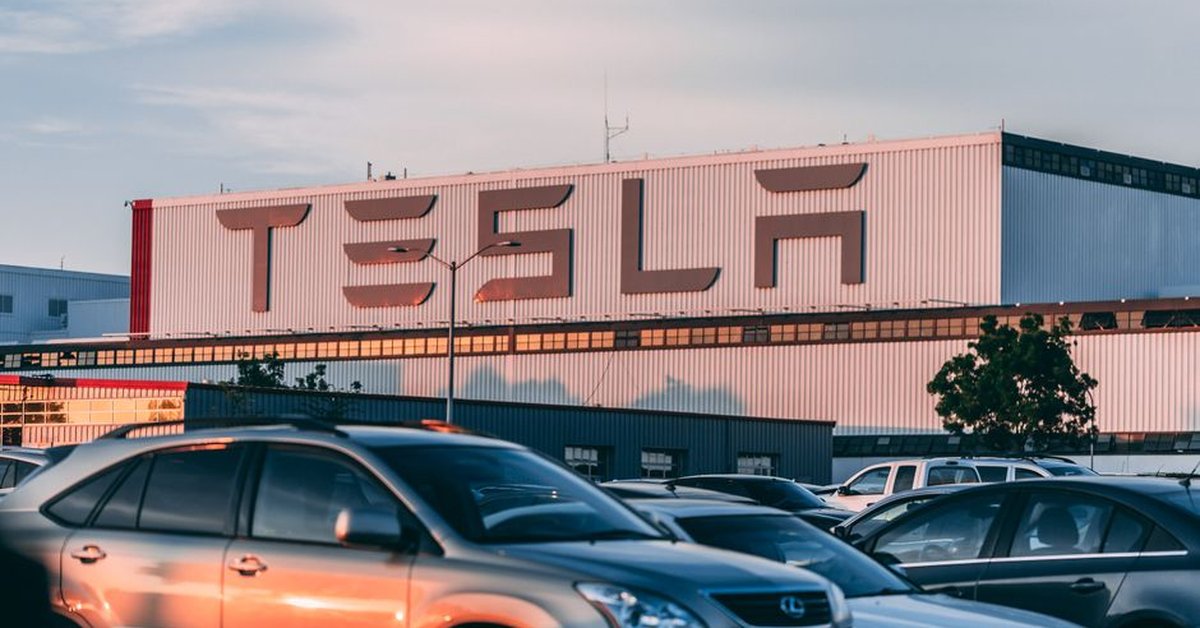
Nobody’s talking about this, but the quietest courtroom battle in the auto industry is about to blow up. Tesla has sued the California Department of Motor Vehicles after the state regulator ruled that the company’s use of ‘Autopilot’ and ‘Full Self-Driving’ constitutes false advertising. The case, filed in September 2024 in a state court, isn’t just a legal spat, it’s a direct challenge to the very language Tesla uses to sell its cars. And the outcome could reshape how automakers market autonomous driving features from Fremont to Frankfurt.
The DMV’s ruling, issued after a months-long investigation, found that Tesla’s branding ‘misled consumers into believing the vehicles have autonomous capabilities when they do not.’ The agency ordered Tesla to stop using the terms in its marketing unless it meets specific safety and disclosure standards. Tesla’s response? A lawsuit claiming the DMV overstepped its authority and violated the company’s First Amendment rights. This is a high-stakes game of chicken, and the precedent is terrifying.
What the DMV Actually Ruled
The California DMV’s decision, published in late August, wasn’t subtle. It stated that Tesla’s ‘Autopilot’ and ‘Full Self-Driving’ features are driver assistance systems, not autonomous driving. The agency said the names imply a level of automation that doesn’t exist even in Tesla’s most advanced software. ‘A reasonable consumer would believe that a vehicle with Full Self-Driving can drive itself,’ the ruling read. ‘That is not the case.’
Tesla’s counterargument: the DMV is engaging in ‘regulatory overreach’ and trying to police mere product names. The company’s legal filing argues that the DMV’s own definitions are vague, and that Tesla’s software is constantly improving. ‘Tesla has never claimed its vehicles are fully autonomous,’ the filing states. ‘The DMV is punishing Tesla for marketing innovation.’ But the numbers tell a different story. According to NHTSA crash data, Tesla vehicles with Autopilot engaged were involved in 273 crashes between July 2021 and May 2022. That’s a lot of ‘innovation’ that ended in crumpled metal.
“The DMV is taking a principled stand here. They’re saying that the names themselves create a false sense of security. If you call something ‘Full Self-Driving,’ you’re implying it’s a robotaxi. That’s a huge liability issue.”
– Sarah Chen, Partner, Chen Automotive Law Group
Precedent Risk: The Dominoes Are Already Falling
This isn’t just about Tesla. If the DMV wins, other automakers using similar buzzwords, like GM’s ‘Super Cruise’ or Ford’s ‘BlueCruise’, could be next. But the real danger is for Tesla’s bottom line. The company has sold over 2 million vehicles with ‘Full Self-Driving’ as a paid option, at prices ranging from $6,000 to $15,000 per car. That’s billions in revenue that could be at risk if regulators force a rebranding or, worse, require refunds.
And the financial markets are watching. While Tesla’s stock has been volatile, similar to how the Bitcoin rally stalls as inflation data, oil jitters spook markets, investors are pricing in legal risk. The lawsuit adds another layer of uncertainty to a company already facing declining margins and production delays. Meanwhile, in the payments world, major players like Visa, Mastercard, and Ripple are backing x402 as agent payments average $0.32, showing that the market for autonomous transactions is growing, but only if the underlying tech is trustworthy.
So what does this mean for Tesla’s claims? If the court sides with the DMV, Tesla would have to alter its marketing globally. That could open the door to class-action lawsuits from customers who paid for a feature they didn’t fully receive. ‘The liability is enormous,’ says Mark Torres, a securities analyst at Redburn Atlantic. ‘Tesla has already settled a class action in Germany over Autopilot claims. If California follows, it’s a multi-billion dollar headache.’
Liability and the ‘Level 2’ Trap
Here’s the technical issue: Tesla’s current systems are classified as Level 2 on the SAE automation scale, meaning the driver must remain attentive at all times. But the name ‘Full Self-Driving’ screams Level 5. That cognitive dissonance has already led to regulatory scrutiny in Europe and China. The California DMV ruling is the first major U.S. action, and it’s likely to be cited in other jurisdictions.
Tesla’s defense relies on the fact that its software disclaimers (in fine print) warn drivers to keep hands on the wheel. But courts have been skeptical. In a 2023 wrongful death case in Florida, a judge allowed claims that Tesla’s marketing was ‘deceptive’ to proceed. The DMV ruling could be used as evidence in that case. That’s a dangerous precedent.
Another angle: the California DMV has the power to suspend Tesla’s license to sell vehicles in the state if it finds a pattern of deception. That’s a nuclear option, and one that would hit Tesla’s largest market. California accounts for nearly 15% of Tesla’s U.S. sales. Losing that would be catastrophic.
“The DMV’s ruling is a shot across the bow. It’s not just about Tesla, it’s about the entire industry’s approach to naming these systems. If you call it ‘Autopilot,’ you’re invoking aviation-grade safety. That’s a big promise for a system that can’t even handle a construction zone.”
– Dr. Elena Rodriguez, Director of Autonomous Vehicle Policy, Stanford University
What’s Next: The Courtroom and the Crystal Ball
The case is expected to go to trial in early 2026. But the legal maneuvering has already started. Tesla has filed a motion to dismiss, arguing that the DMV’s ruling is ‘arbitrary and capricious.’ The DMV is expected to file its response by November. Meanwhile, the FTC has its own investigation into Tesla’s advertising, adding another layer of regulatory pressure.
For investors, the key takeaway is this: Tesla’s brand is built on the promise of autonomy. If that promise is legally undermined, the stock’s premium valuation, which already trades at 60x earnings, becomes harder to justify. And for consumers, the message is clear: don’t buy a car based on its name. Buy it based on what it can actually do. Because the DMV is finally paying attention.
Looking ahead, this case could set a national standard for how autonomous driving features are marketed. If the DMV wins, expect other states to follow. If Tesla wins, expect a flood of ‘Full Self-Driving’ claims from every automaker in the business. Either way, the road ahead is bumpy, and it’s about to get a lot more litigious.
Frequently Asked Questions
What exactly did the California DMV rule about Tesla’s Autopilot and Full Self-Driving?
The DMV found that Tesla’s use of the terms ‘Autopilot’ and ‘Full Self-Driving’ constitutes false advertising because they imply a level of autonomous driving capability that the systems do not possess. The ruling ordered Tesla to stop using the names in marketing unless it adds clear disclaimers and meets safety standards.
Why is Tesla suing the California DMV?
Tesla argues that the DMV overstepped its regulatory authority and violated the company’s First Amendment rights. The company claims its marketing is accurate and that the DMV is imposing vague definitions that stifle innovation. Tesla also says the ruling is arbitrary and could harm its business.
What are the potential consequences for Tesla if it loses the lawsuit?
If the court upholds the DMV’s ruling, Tesla could be forced to rebrand its driver assistance features, pay refunds to customers who purchased the Full Self-Driving option, and face additional class-action lawsuits. The company could also lose its license to sell vehicles in California, its largest market, if the DMV escalates enforcement.