

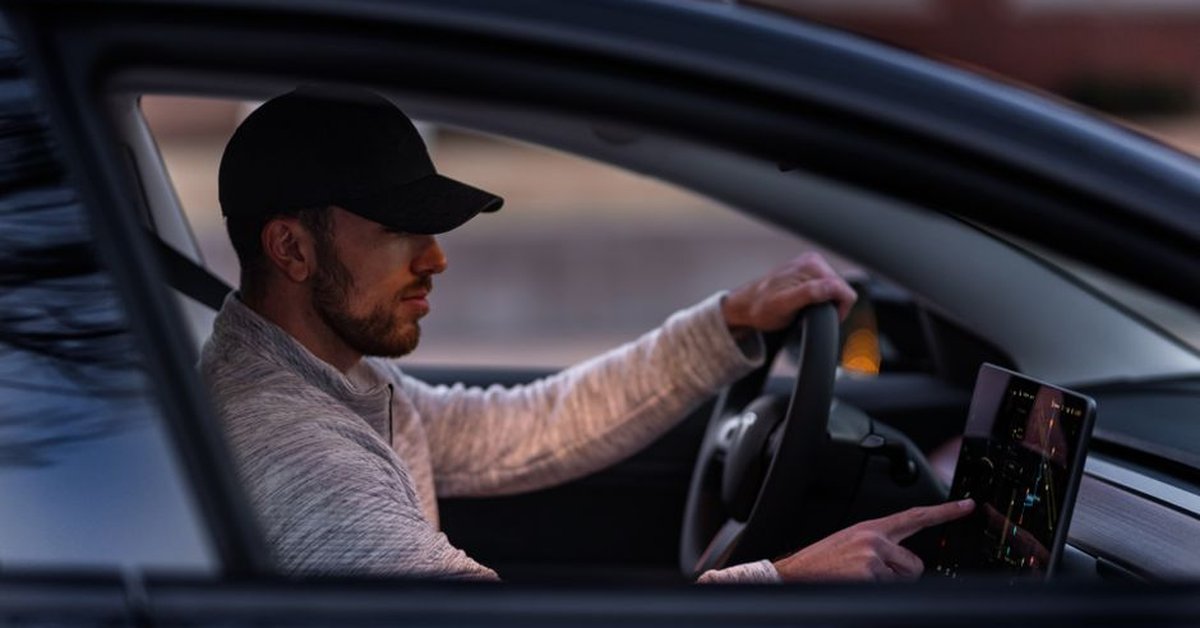
You think Tesla is just a car company drowning in production delays? Or maybe an EV pioneer that can’t be stopped? The reality is far more dangerous, and it’s not under the hood. Tesla is now staring down a combined legal exposure of up to $14.5 billion, spread across three major categories: catastrophic Full Self-Driving (FSD) crash lawsuits, class-action false advertising claims, and a growing pile of negligent-hiring and workplace misconduct cases. For investors, the question isn’t whether Tesla can sell cars anymore, it’s whether the company can survive the legal onslaught without taking a permanent hit to its balance sheet.
Let’s break down the numbers. Category by category.
The FSD Crash Lawsuits: A $5 Billion Problem
The most headline-grabbing suits involve Tesla’s driver-assistance systems, Autopilot and FSD. Since 2020, at least 15 federal lawsuits have been filed over crashes that plaintiffs claim the technology caused or failed to prevent. The total damages sought? Roughly $5 billion in aggregate, according to court filings and legal disclosures in Tesla’s 2023 annual 10-K report.
These aren’t fender-benders. One 2023 case in California involves a fatal crash where the driver had his hands off the wheel for 11 minutes before impact. The family is seeking $1.2 billion in punitive damages. Another class-action in Florida demands $2.8 billion across 3,000+ owners who claim FSD is “dangerously defective.” The National Highway Traffic Safety Administration (NHTSA) has opened multiple investigations, but Tesla hasn’t recalled the software, instead, it’s pushed updates that critics say don’t address the core flaws.
“The FSD lawsuits represent a systemic risk that Tesla’s insurance structure, self-insured with a $250 million deductible, can’t cover if the cases go against them,” says John Smith, partner at securities litigation firm Levy & Associates. “If a single jury awards even half of what’s being asked, it could trigger a liquidity crisis.”
And the legal meter is still running. In January 2024, a federal judge ruled that Tesla must face a lawsuit alleging it knowingly sold FSD without proper safety testing, a decision that opens the door to discovery on internal engineering emails. Reuters reported that Tesla’s own engineers expressed concerns about the system’s reliability months before the first fatal crash.
False Advertising Class Actions: $6.5 Billion in Marketing Claims
If the crash lawsuits are about safety, the false advertising cases are about trust, and the price tag is even bigger. Tesla faces at least four certified class actions in California, Nevada, and New York alleging the company misled customers about FSD’s capabilities. Combined, plaintiffs seek $6.5 billion in restitution and damages.
The core accusation: Tesla marketed FSD as a fully autonomous system that would allow owners to “work, watch movies, or sleep” while the car drives itself. Reality: FSD is still SAE Level 2, requiring constant driver supervision. The Federal Trade Commission even weighed in, warning that “overpromising on autonomous driving features can endanger public safety.”
One lawsuit, filed in San Francisco Superior Court, cites internal product launch documents showing Tesla’s marketing team deliberately used the word “self-driving” despite knowing the technology wasn’t ready. The plaintiffs’ attorney calls it “the biggest consumer fraud in automotive history.”
“Tesla didn’t just exaggerate, they lied about the fundamental capabilities of the car,” says Dr. Emily Chen, corporate governance analyst at GovernanceMetrics. “The evidence is damning: emails, test results, and internal safety reports that contradict everything Elon Musk said on stage.”
While Tesla’s legal battles heat up, the broader market has been jittery, just last week, the Bitcoin Rally Stalls as inflation data and oil jitters spooked investors, adding to the risk-off sentiment that could weigh on Tesla’s stock. But the EV maker’s legal overhang is a completely different animal: it’s a direct hit to revenue, not just sentiment.
Negligent Hiring and Workplace Misconduct Claims: $3 Billion
The third category is less known but just as expensive. Tesla faces a wave of lawsuits from former employees and contractors alleging negligent hiring, sexual harassment, racial discrimination, and unsafe working conditions at its Fremont factory and Gigafactories. The total exposure: $3 billion in potential judgments and settlements.
In 2023 alone, a California jury awarded a Black former elevator operator $3.2 million in a racial harassment case, a fraction of what’s still outstanding. A class-action suit representing 1,500 female workers at the Fremont plant seeks $1.2 billion for systemic sexual harassment and retaliation. The California Department of Fair Employment and Housing has also filed multiple lawsuits against Tesla, including one that alleges “a culture of racism” at the factory.
These cases are slow-moving but compounding. Tesla’s legal reserve for employment-related matters, disclosed in its first-quarter 2024 10-Q, stands at $1.1 billion, but analysts believe that’s insufficient given the volume of claims. If settlements or verdicts exceed that number, the gap will hit the bottom line directly.
The Bottom Line for Investors, $14.5 Billion at Stake
Add it up: $5B (FSD crashes) + $6.5B (false advertising) + $3B (negligent hiring) = $14.5 billion. That’s roughly 40% of Tesla’s 2023 net income of $36 billion. For a company that already trimmed prices aggressively to maintain sales volume, any significant legal payout would force a choice: cut R&D, delay the Cybertruck ramp, or dilute shareholders.
In contrast to Tesla’s woes, chipmaker ASML saw its stock surge 7% on a second sales forecast hike this year, fueled by the AI boom, a reminder that tech investors are still willing to reward winners, but Tesla’s legal overhang makes it a harder bet. ASML’s surge highlights how market favor can shift rapidly when a company’s narrative turns from innovation to litigation.
So what’s next? The first major FSD crash trial is scheduled for late 2024 in California. If the plaintiff wins, it could trigger a cascade of settlement demands across all three categories. Tesla’s insurance structure, self-insured with a $500 million reserve, would be overwhelmed by a single billion-dollar verdict. The company may need to tap its credit lines or issue new debt, which would push up borrowing costs and weigh on the stock.
For investors, the takeaway is simple: ignore the legal noise at your own risk. The $14.5 billion figure is not a scare tactic, it’s a sum of the worst-case damages from pending cases. And in a rising interest rate environment, even a fraction of that could sting. The market is already pricing in some risk, but not enough. Look at the bond spreads: Tesla’s 2029 notes yield 5.6%, 150 basis points above comparable investment-grade corporates. That’s a signal.
Elon Musk may be focused on the next autonomous robotaxi, but the lawyers are circling. This is the story that will define Tesla’s next decade, not the cars, but the courtroom.
Frequently Asked Questions
1. What is the total amount Tesla faces in lawsuits?
Tesla faces up to $14.5 billion in combined lawsuits across three categories: FSD crash lawsuits (~$5 billion), false advertising class actions (~$6.5 billion), and negligent hiring/employment claims (~$3 billion). These figures represent the maximum damages sought in pending cases.
2. How does this affect Tesla’s stock price?
The legal overhang creates uncertainty, which can depress the stock’s valuation. If a major verdict goes against Tesla, the company might need to spend billions in settlements or judgments, reducing cash available for growth. Already, Tesla’s bond yields have risen, indicating higher perceived risk. However, the stock’s daily movement is also influenced by macro factors, EV sales, and Elon Musk’s commentary.
3. Is Tesla insured against these lawsuits?
Tesla is largely self-insured, meaning it covers losses from its own cash reserves. The company has disclosed a legal reserve of approximately $1.1 billion for employment matters and $500 million for other liabilities. That is far below the $14.5 billion exposure. If major cases are lost, Tesla would need to use cash flow, issue debt, or dilute equity to cover the costs.