


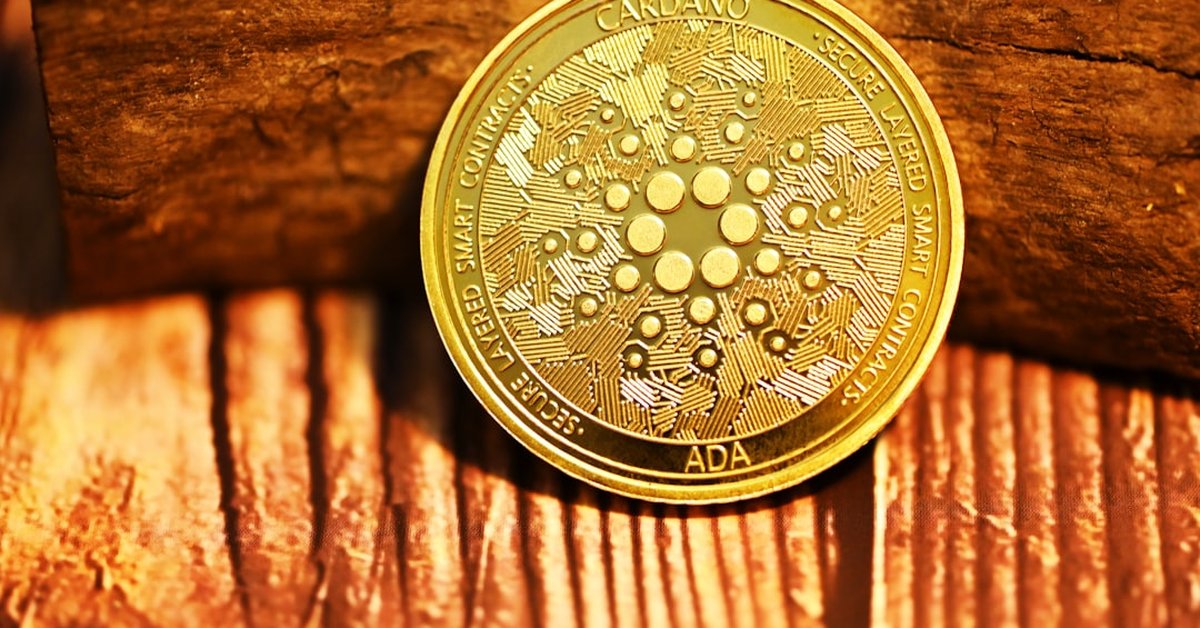
Most people still think of Cardano as the slow, academic blockchain that peaked in 2021. The narrative stuck: too methodical, too late to DeFi, too quiet. But over the past 24 hours, ADA has jumped 8.7%, reclaiming the #17 spot by market cap and pushing its weekly gain past 15%. The move isn’t a meme-fueled pump, it’s happening against a backdrop of real network upgrades and shifting capital flows.
So what’s actually driving this? And more importantly, can it last?
The Catalyst Nobody’s Talking About
Cardano’s price action often gets dismissed as ‘lagging Bitcoin’ or ‘random altcoin noise.’ But this rally has a specific trigger: the upcoming Chang hard fork, which will introduce on-chain governance via CIP-1694. That’s a big deal, it transforms ADA from a pure staking token into a voting asset, effectively turning holders into stakeholders with real decision-making power. The upgrade is expected in the coming weeks, and the market is pricing in anticipation.
Meanwhile, total value locked (TVL) on Cardano DeFi protocols has crept back above 700 million ADA, a level not seen since early 2023. DEX volumes on Minswap and SundaeSwap have doubled month-over-month. It’s not Ethereum-level activity, but for a chain that was written off as ‘ghost chain’ two years ago, it’s a meaningful rebound.
And don’t ignore the broader macro. Bitcoin holds $64K as oil surges and AI shock lingers, providing a stable floor for risk assets. When BTC doesn’t crash, capital rotates into mid-cap alts like ADA. The correlation is crude but real.
On-Chain Signs: Accumulation, Not Dumping
Look at the data. According to Santiment, the number of ADA addresses holding between 100,000 and 1 million tokens has increased by 3.2% in the last week. That’s ‘whale accumulation’, not the retail frenzy you’d see on a pump-and-dump. Meanwhile, exchange reserves are dropping. Fewer tokens on exchanges means less immediate selling pressure.
Staking metrics also tell a story. Over 62% of the circulating supply is now staked, up from 59% three months ago. That locks up supply and reduces available float. It’s not a rocket fuel catalyst, but it creates a structural tailwind.
Now, the skeptical take: Cardano’s daily active addresses are still below 50,000, a fraction of Solana or BNB Chain. Transaction fees remain low because usage is low. The DeFi ecosystem, while growing, is tiny compared to Ethereum’s. So the rally is partly narrative-driven (governance upgrade) and partly catch-up after underperforming for months.
What This Means for Your Portfolio
If you’re holding ADA, the next few weeks are binary. The Chang hard fork could be a ‘buy the rumor, sell the news’ event. Historically, Cardano tends to rally into major upgrades and then pull back after implementation. The Alonzo hard fork (smart contracts) in September 2021 saw ADA hit $3.10, then crash 70% over the following months. Not a perfect parallel, but a pattern worth noting.
For traders: the $0.45-$0.50 range is key resistance. If ADA breaks above $0.50 with volume, the next leg could target $0.60. But if it fails, expect a retest of $0.38 support. Stoplosses are your friend.
For longer-term holders: the governance upgrade adds utility. ADA becomes more than a passive staking asset, it gives you a say in protocol parameters and treasury spending. That’s a genuine value driver, but it won’t matter if the broader market turns bearish. Bitcoin ETFs saw $273M inflows, but that’s still ‘peanuts’ after the exodus, institutional capital is trickling back, but it’s fragile. If BTC dips, ADA will follow.
The Bigger Picture: Cardano’s Identity Crisis
Cardano has always struggled with its identity. Is it a research project? A payments network? A DeFi hub? The governance upgrade pushes it toward the last two, but execution risk remains. The development pace is slow, deliberately so, and that frustrates traders who want fast action.
But here’s the thing: slow doesn’t mean dead. Cardano has one of the highest developer retention rates in crypto, according to Electric Capital. The community is loyal, almost cultish. And the upcoming Voltaire era (governance) completes the roadmap that founder Charles Hoskinson outlined years ago. That narrative, ‘the final piece of the puzzle’, is powerful for true believers.
Yet the market is unforgiving. ADA is still 87% below its all-time high. To reclaim $3, it would need a 6x from current levels. That’s not impossible in a bull run, but it requires a catalyst bigger than a governance upgrade, maybe a killer dApp or a major institutional adoption.
For now, the 8.7% surge is a reminder that Cardano isn’t dead. It’s just taking the scenic route.
Frequently Asked Questions
Why is Cardano (ADA) going up today?
The rally is driven by anticipation of the Chang hard fork, which will introduce on-chain governance. Additionally, improving DeFi metrics and broader market stability (Bitcoin holding $64K) are supporting the move. Whale accumulation and rising staking rates also suggest supply is tightening.
Is Cardano a good investment right now?
It depends on your time horizon. Short-term traders can play the upgrade momentum, but should watch for a potential ‘sell the news’ event. Long-term holders may benefit from the added utility of governance voting, but the project still faces stiff competition from faster chains like Solana and Ethereum Layer 2s. As always, only invest what you can afford to lose.
What is the Chang hard fork and why does it matter?
The Chang hard fork implements CIP-1694, which gives ADA holders voting power over protocol changes, treasury spending, and network parameters. It marks the transition to the Voltaire era, completing Cardano’s original roadmap. This transforms ADA from a pure staking token into a governance asset, potentially increasing its value proposition.