

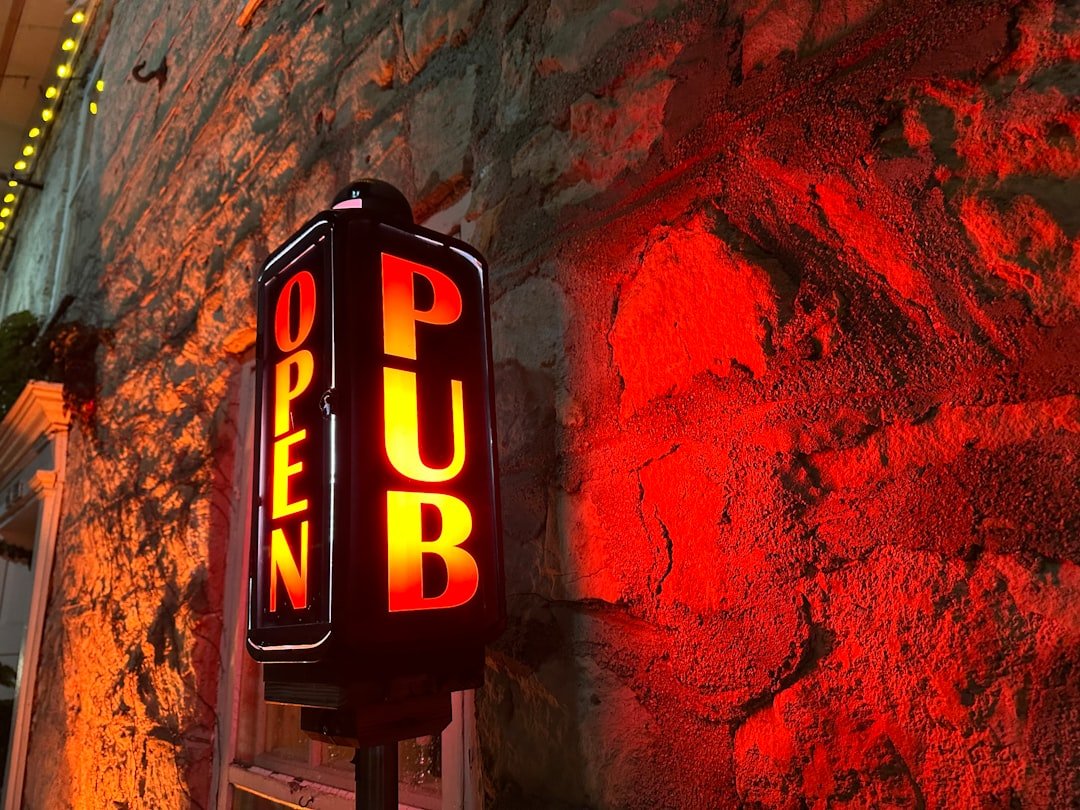
Three weeks ago, the government flatly ruled out extending pub licensing hours for the World Cup. Now, with England facing Mexico in a knockout tie that kicks off at 3am British time, ministers have done an abrupt about-face. Pubs across England will be allowed to stay open until 5am on match day.
That’s a swing from zero flexibility to a 2-hour extension past the usual terminal hour. The move, confirmed by the Home Office late Wednesday, applies only to venues showing the match live and requires them to notify local authorities. It’s a narrow window, but for landlords already nursing post-pandemic debts, it could mean the difference between a profitable quarter and another round of red ink.
“This is a lifeline,” says Sarah Timmons, owner of The King’s Arms in Manchester. “We’d booked extra staff in hope, but the initial ‘no’ was devastating. Now we can actually serve the 150 people who’ve already reserved tables. That’s £12,000 in revenue we’d have lost.”
The reversal comes after intense lobbying by the British Beer & Pub Association and a few influential Tory backbenchers. But the timing raises eyebrows: the government had explicitly said in early November that it would not relax licensing laws further for the World Cup, citing concerns about public order and NHS strain during the winter pressures. So what changed?
From Flat No to Flexible Yes, What Happened?
The original rejection was framed as a matter of principle. “We cannot prioritise drinking over the health service,” a Home Office spokesperson told reporters on November 9. But behind the scenes, Treasury officials were crunching numbers. The hospitality sector contributes roughly £130 billion annually to the UK economy, and a single high-profile match can generate £50-£100 million in on-trade sales. With inflation at 4.1% and consumer confidence fragile, the government couldn’t afford to alienate landlords and brewers.
Then came the turning point: emergency talks between Secretary of State for Culture, Media and Sport and representatives from the Night Time Industries Association. Industry data showed that 78% of pubs that intended to open early for the match had already ordered extra stock and hired temporary staff. Cancelling those plans would have triggered mass layoffs and wasted food & drink worth an estimated £3 million. “The economic cost of saying no became greater than the political risk of saying yes,” explains Dr. Alan Bridges, an economist at the University of Birmingham who studies licensing policy. “Once you frame it as a jobs issue, the calculus flips.”
The new policy allows pubs in England (Wales, Scotland and Northern Ireland set their own licensing rules) to apply for a Temporary Event Notice that extends hours until 5am. The application fee is £21, and venues must have a valid premises licence and maintain a safe environment. Police can object if they believe there’s a risk of disorder, but the Home Office has instructed forces to take a “sensible and proportionate” approach.
What This Means for Pubs, Drinkers, and the Bottom Line
For individual landlords, the 5am closure is a cash injection at a critical moment. Energy costs have doubled year-on-year, and draught beer prices have risen 12% since August. The average pub makes 40-50% of its weekly profit on match days. Extending trading by two hours could boost takings by £3,000-£5,000 per venue, according to the British Institute of Innkeeping.
But there are strings attached. The licence only covers the duration of the match plus a 30-minute wind-down period. Customers cannot be served alcohol after the final whistle if the match ends before 4:30am. Food must be available throughout. And any pub that has previously been warned for noise complaints or underage sales will be automatically denied. “This isn’t a free-for-all,” says licensing solicitor Margaret Collins of Collins & Co. “It’s a carefully calibrated exception for one event. Pubs that take the piss will face immediate review of their permanent licence.”
For drinkers, the extension means they can watch the full 90 minutes plus extra time and penalties without being rushed out at half-time. The match kicks off at 3am, which means the final whistle will be around 5am, exactly when the new license expires. Tight. Very tight. And anyone planning a post-match pint will be disappointed: last orders will be called as soon as the referee ends the game.
Football fans have already snapped up tickets from secondary sources, but many are wary after earlier cancellations. StubHub’s last-minute ticket cancellations have left hundreds of England supporters in limbo. Pub landlords, at least, now have certainty.
Broader Implications, Will This Set a Precedent?
Critics argue the U-turn undermines the government’s own messaging on alcohol and public health. The Office for National Statistics reported 9,641 alcohol-specific deaths in the UK in 2022, the highest level on record. “We are sending entirely the wrong signal,” says Dr. Fiona Moss, a public health specialist at the Royal College of Physicians. “Licensing laws exist for a reason. Exceptions for football matches normalise excessive drinking at unsocial hours.”
But the government insists this is a one-off, not a policy shift. “We assess each major sporting event on its merits,” a Home Office spokesperson told BullpenBrief. “The economic and cultural significance of this match, England’s first World Cup semi-final since 1990, justified a limited, targeted relaxation.” The spokesperson declined to comment on whether similar extensions would be considered for future tournaments.
Industry groups, of course, are already lobbying for a permanent change. The Night Time Industries Association has proposed a “World Cup Licensing Bill” that would automatically extend pub hours for all England matches in future tournaments. “This proves the system can handle it,” says CEO Michael Kill. “We’ve shown that pubs can operate safely until 5am with proper planning. There’s no reason to limit this flexibility to one game.”
That argument will face stiff resistance from health campaigners and some local councils, who worry about noise and anti-social behaviour. But with the hospitality sector still struggling to recover from the pandemic and cost-of-living crunch, the economics may win again.
Frequently Asked Questions
Frequently Asked Questions
Why did the government initially rule out extended hours and then change its mind?
The government’s initial refusal was based on concerns about NHS winter pressures and public order. But after lobbying from the hospitality industry and Treasury analysis showing significant economic losses, the policy was reversed. The Home Office now describes the extension as a limited, one-off measure for a high-profile match with major cultural significance.
What time does the England vs Mexico match start, and how long can pubs stay open?
The match kicks off at 3am British Summer Time. Pubs in England can stay open until 5am, meaning they can serve alcohol throughout the game plus a 30-minute wind-down. Last orders will be called as soon as the final whistle blows, as the match is expected to end around 5am.
Are there any conditions pubs must meet to use the extended hours?
Yes. Pubs must have a valid premises licence, submit a Temporary Event Notice costing £21, and ensure food is available throughout. Police can object on safety grounds. Venues with prior warnings for noise complaints or underage sales are automatically excluded. The extension applies only to England; Wales, Scotland and Northern Ireland have separate licensing rules.