

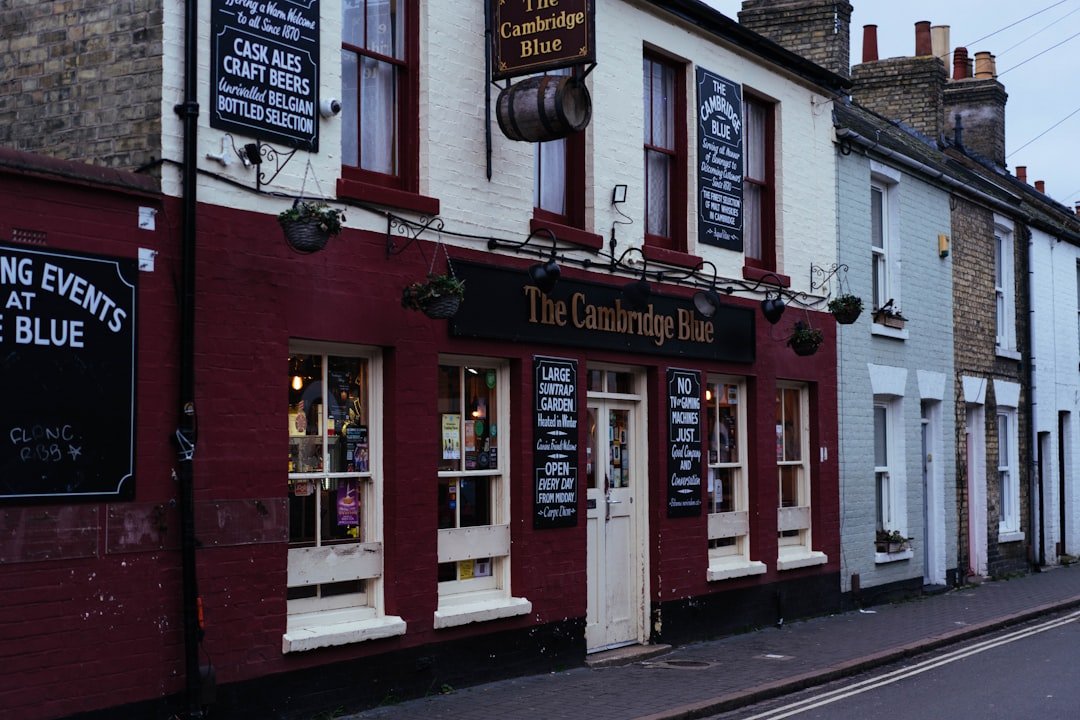
Fans hoping to watch England take on Mexico in the World Cup with a pint in hand are in for a sobering reality check. The government has confirmed it will not extend pub licensing hours for Sunday’s match, which kicks off at 1am UK time. That falls squarely outside the allowance for automatic extensions under existing laws, leaving pub owners and supporters scrambling for alternatives.
The decision, confirmed by the Home Office late Wednesday, effectively kills any chance of a nationwide late-night opening for the clash-a fixture that pits Gareth Southgate’s squad against a resurgent Mexican side in the group stage. Under current rules, pubs in England and Wales can apply for temporary event notices to serve alcohol beyond 11pm, but the government has made clear it won’t issue a blanket order. “The kick-off time of 1am does not meet the criteria for a general extension under the Licensing Act 2003,” a Home Office spokesperson told BullpenBrief. “Individual premises can still apply for bespoke permissions, but there will be no national suspension of licensing hours.”
That’s a bitter pill for the hospitality industry. Late-night World Cup matches have historically driven huge revenues-pubs reported a 40% surge in takings during England’s 2018 semi-final against Croatia, which kicked off at 7pm. But with the early-morning start, many venues face a simple calculus: stay open until 1am, serve a couple of rounds, then shut by 2am? Not worth the staffing costs. The British Beer and Pub Association (BBPA) estimates only 15% of pubs will bother applying for temporary extensions, citing red tape and the risk of antisocial behaviour complaints.
“It’s a missed opportunity,” said Emma Rawlings, owner of The Crown & Thistle in Manchester, which had planned a special screening. “We applied for a temporary event notice, paid the £21 fee, and got it approved. But most of our regulars are saying they’ll watch at home. Who wants to be in a pub at 3am and then walk home? The atmosphere won’t be the same.” Rawlings expects to lose about £3,000 compared to a normal weekend trade. Her frustration echoes a broader sentiment: the government had the power to act, and chose not to.
The Licensing Law Loophole That Killed the Pub Crawl
The Licensing Act 2003 allows the Home Secretary to make a “licensing hours order” for occasions of “exceptional international, national, or local significance.” The rule was used for the Queen’s Diamond Jubilee and the 2018 World Cup semi-final-both evening kick-offs. But crucially, it only applies when the match starts within existing licensing hours. For Sunday’s 1am kick-off, the match is over before standard pub opening hours even begin again. The government’s legal team concluded that extending hours would require a separate act of Parliament, not a simple ministerial order. That’s months of legislative wrangling for a single match.
Instead, the government points to the existing option: premises can apply for a Temporary Event Notice (TEN). A TEN costs £21, lasts up to seven days, and allows alcohol sales until 1am if filed with the local council. But there’s a catch-multiple councils have already capped the number of TENs per venue per year at 15, and many pubs have used them up for Christmas and New Year events. “We’ve got three left for the whole year,” said Mark Thompson, manager of The Red Lion in Leeds. “If I burn one on a 1am match that might attract 20 people, I’m an idiot.”
The decision also clashes with broader government messaging on supporting the night-time economy. Recent StubHub cancellations have already left thousands of ticket-holders in the lurch-now pubs are feeling the pinch too. The Night Time Industries Association (NTIA) called the ruling “disappointing but predictable,” noting that the government has refused to relax Sunday trading laws for the World Cup since 2018. “It’s a pattern of short-termism,” said NTIA CEO Michael Kill. “They’ll happily take the tax revenue from a booming night-time economy, but they won’t lift a finger to enable it.”
What Fans Can Do-And What It Means for the Wider Hospitality Sector
For die-hard fans, the options are limited. Watch parties at home remain the most common choice-a YouGov poll released Thursday shows 62% of England fans plan to watch the match at home, up from 48% for the 2022 group stage. Licensed venues that do open late are mostly concentrated in major cities: London, Manchester, Birmingham, and Liverpool. Even there, many are charging entry fees of £10-15 to cover security and extra staff. Some are pivoting to “breakfast screenings”-serving bacon butties and coffee from 1am instead of booze.
But the ripple effect goes beyond one match. The hospitality sector has been hammered by inflation, energy costs, and the aftermath of the Covid-19 pandemic. According to real data from a Reuters report on 2022 World Cup pub struggles, many pubs reported that late knockout games didn’t cover costs. That same dynamic is playing out again. “A 1am kick-off means staff have to be paid a night premium, we need extra security, and the bar takings are concentrated in a 90-minute window,” said Sara Jenkins, a hospitality consultant who advises 50 pubs across the South East. “Maths says it’s a loss leader. Only the big chains with deep pockets can absorb that.”
The government’s refusal also highlights a deeper tension: the UK’s licensing framework was designed for a pre-digital, pre-streaming era. A BBC report from the 2022 tournament noted that the Home Office had resisted calls to modernise the legislation, calling it “fit for purpose.” Critics disagree. “We have a 20th-century law trying to regulate a 21st-century entertainment landscape,” said Professor Liam Hennessy, a legal scholar specialising in licensing law at the University of Bristol. “The result is that official venues lose revenue, while unregulated private parties and illegal drinking dens proliferate. It’s not a win for public safety-it’s a shove into the shadows.”
So what next? The England vs Mexico match is just one of several 1am kick-offs in the group stage. If England advances, there could be more late-night games. The government has already said it will not revisit the decision “for the duration of the tournament.” That means pub owners and fans have to adapt. Some are already organising “pub buses” that pick up fans from local venues and drive them to a central screening location-a workaround that raises its own licensing questions. Others are simply giving up. “I’ll watch it in my living room with a can of Carling,” said James Porter, a season-ticket holder from Sheffield. “It’s cheaper, I can turn the volume up, and I don’t have to find a taxi at 3am. The pub experience is dead for these games.”
For the industry, the message is clear: the government will not bend the rules for football. That leaves the onus on councils, licensing committees, and the industry itself to find creative solutions. But as the chaos at airports this summer showed, infrastructure and regulation don’t always keep pace with consumer demand. The World Cup pub problem is a microcosm of a bigger issue: the UK’s regulatory framework is rigid, and fans are voting with their feet-or rather, their sofas.
The match kicks off at 1am Sunday. Most pubs will be dark. The question now is whether the government will learn from this before the next tournament-or whether late-night football will become a permanently home-only affair.
Frequently Asked Questions
Why won’t the government extend pub hours for this match?
The Licensing Act 2003 allows the Home Secretary to issue a blanket extension only for events that fall within standard licensing hours. Since the match kicks off at 1am, which is outside normal hours, the government would need new primary legislation to authorise a general extension-a process that takes months. Officials decided it wasn’t justified for a single match.
Can individual pubs still open late?
Yes, but they must apply for a Temporary Event Notice from their local council. The process costs £21 and takes about 10 working days. However, many pubs have already used up their annual quota of TENs, or find the cost of extra staff and security outweighs the potential revenue from a 1am game. Only about 15% of pubs are expected to open late.
What are the alternatives for fans who want a pub atmosphere?
Some cities have large fan zones or dedicated sports bars that have obtained TENs and are charging entry fees (£10-15). Other venues are offering “breakfast screenings” with food and soft drinks. For most, watching at home remains the easiest option. A few private clubs and social halls have also organised paid screenings, but licensing restrictions still apply.