




Let me be blunt: when a sitting justice minister personally announces charges against the head of a national Olympic committee in connection with a crypto exchange, you’re not looking at a routine investigation. You’re looking at a political earthquake with aftershocks for anyone holding digital assets in Central Europe.
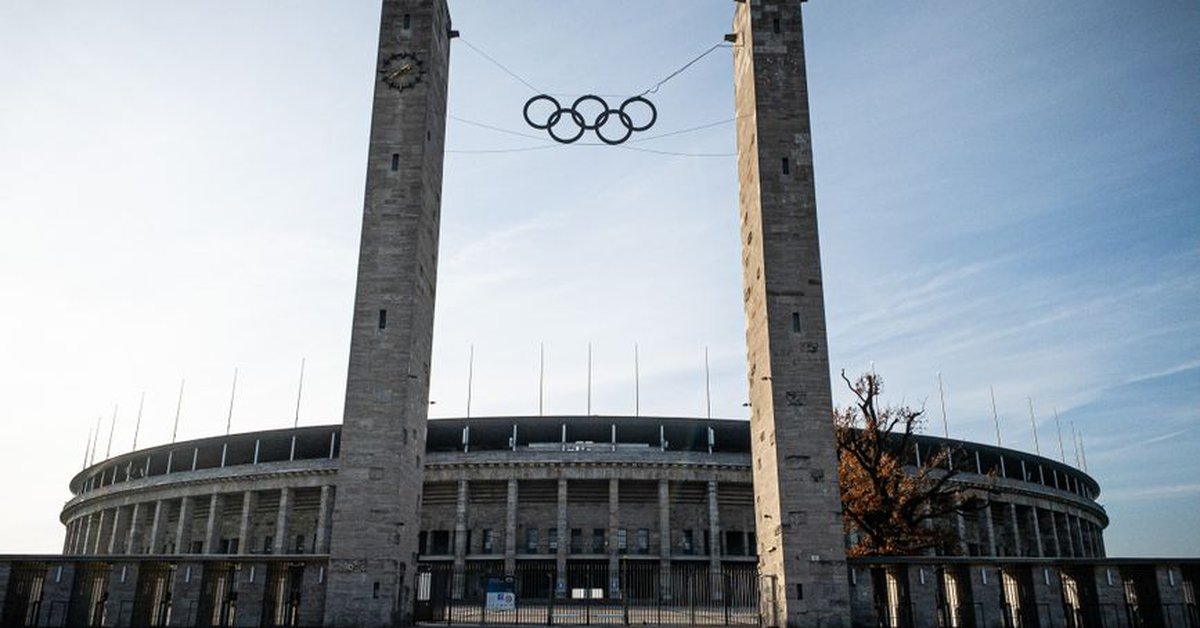
Poland’s Justice Minister Adam Bodnar confirmed this week that the president of the Polish Olympic Committee, Radosław Piesiewicz, has been formally charged as part of an ongoing probe into Zondacrypto, a major Polish cryptocurrency exchange. The charges, which Bodnar described in a terse statement as related to “financial irregularities” and “abuse of trust”, haven’t been fully detailed yet. But the implications are immediate and ugly for Zondacrypto’s user base, and for the broader perception of crypto in a region already wary of scams.
The Charges and the Backstory
Zondacrypto isn’t some fly-by-night operation. Founded in 2014, it’s one of Poland’s older exchanges, with a reported 1.2 million registered users and a daily trading volume that once topped $50 million before the 2022 downturn. The exchange has sponsored sports teams and events aggressively, including a partnership with the Polish Olympic Committee that raised eyebrows even at the time. That partnership now looks like the rope that’s pulling Piesiewicz into court.
According to the justice minister’s office, the probe began after whistleblowers inside the exchange flagged suspicious transactions tied to Olympic Committee accounts. Investigators allege that Piesiewicz authorized or facilitated the movement of funds between Zondacrypto wallets and committee accounts without proper oversight, and that some of those funds may have been used for personal expenses. No details yet on specific amounts, but Polish media outlets have reported figures in the range of 10-15 million złoty (about $2.5-$3.8 million).
Piesiewicz, who has led the Polish Olympic Committee since 2021, denies any wrongdoing. In a brief statement to local press, his lawyer called the charges “politically motivated”, a standard deflection, but one that carries weight in a country where the justice system has been accused of politicization under the previous government. Adam Bodnar, for his part, is a former human rights ombudsman and widely seen as a reformer. That history makes the accusation harder to dismiss as a hit job.
Why This Matters for Polish Crypto Users
If you’re a Zondacrypto user, and I know many of you are, because the exchange has deep roots in Poland’s crypto community, this is the moment to check your withdrawal limits and read the fine print on your custody agreement. History doesn’t favor exchanges that become the center of criminal investigations.
Look at the pattern. When Kraken faced a flash crash tied to sanctioned crypto flooding its order books, retail users couldn’t access their funds for hours. Kraken Users Locked Out After Sanctioned Crypto Flood: What Happened is a cautionary tale of how quickly a healthy exchange can become a trap. Zondacrypto hasn’t suspended withdrawals yet, but the Polish Financial Supervision Authority (KNF) has already widened its inquiry to include the exchange’s compliance protocols. If the KNF freezes assets or suspends the license, users could be stuck.
There’s a deeper trust issue here. Crypto exchanges in Poland have historically operated in a gray zone, licensed under EU anti-money laundering rules but with limited oversight of their internal governance. The Zondacrypto scandal isn’t the first. In 2022, the exchange BitBay (now Zonda due to a rebrand) was fined by the KNF for inadequate KYC. But this is the first time a sitting Olympic official has been charged in connection with an exchange. That raises the stakes for everyone. Regulators across Europe are watching, and Poland’s stance on crypto regulation could harden fast.
I’ve tracked similar dynamics in the US, where the Clarity Act Could Sideline Main Street Banks, Critics Warn, legislation meant to define crypto rules that ended up pushing smaller players out. Poland doesn’t have a Clarity Act, but the government is drafting a comprehensive crypto bill. This scandal gives lawmakers the ammunition to demand stricter licensing requirements, higher capital reserves, and mandatory third-party audits. Good for consumer protection, bad for anyone hoping to run a lean exchange.
Olympic Committee in the Crosshairs
The involvement of the Polish Olympic Committee adds a layer of absurdity, and also a warning for other sports organizations cozying up to crypto sponsors. Professional sports and crypto exchanges have been a natural pairing: exchanges need credibility, sports committees need cash. But the marriage has produced multiple scandals. FTX sponsored the Miami Heat’s arena and the Australian Grand Prix. Celsius Network sponsored the Philadelphia 76ers. Both blew up.
Now it’s Poland’s turn. The Olympic Committee signed a sponsorship deal with Zondacrypto in early 2023, reportedly worth 5 million złoty per year. The investigation suggests that deal was more than a marketing arrangement, it may have been a vehicle for moving money in ways that skirted financial controls. The justice minister specifically mentioned “fictitious sponsorship agreements” in his press briefing, a phrase that should send chills down the spine of any compliance officer.
What does this mean for the Polish Olympic athletes? Probably nothing directly, the committee’s operational funds are separate from any criminal accounts. But reputationally, it’s a mess. The Paris 2024 Olympics are less than three months away, and Poland’s team will be marching behind a president who’s facing criminal charges. The International Olympic Committee may ask questions about the committee’s financial integrity. In the worst case, they could suspend recognition, cutting off funding and support for athletes.
What Comes Next
The investigation is in its early stages. Court hearings haven’t been scheduled yet, and the justice minister has promised a “transparent process.” But in Poland, high-profile white-collar cases have a habit of dragging for years. Meanwhile, Zondacrypto’s daily trading volume has dropped about 40% since the news broke, according to CoinGecko data. Users are moving funds to cold storage or to international exchanges like Binance. That’s likely the smart play for now, though moving to Binance isn’t without risk, given its own regulatory battles globally.
I’m watching the KNF closely. If the regulator announces a temporary license suspension or a freeze on Zondacrypto’s custodial wallets, this story will go from scandal to crisis overnight. Anyone with significant holdings on the exchange should have a backup plan. As I write this, Zondacrypto is still processing withdrawals normally, but that could change with a single court order.
Longer term, this case will test Poland’s ability to police the crypto industry while still welcoming innovation. The government talks about wanting to become a blockchain hub, but cases like this make it harder to attract serious institutional money. The justice minister’s aggressive stance suggests he’s willing to use the law to clean house. That’s good for the rule of law, but it’s a very public execution for an industry that could use fewer headlines about handcuffs.
Frequently Asked Questions
Is Zondacrypto still safe to use?
As of now, Zondacrypto is still operational and processing withdrawals. However, the ongoing investigation and potential regulatory action mean that users face elevated risk. It’s advisable to consider moving funds to a personal wallet or a more established exchange with a clearer regulatory track record.
What are the charges against the Polish Olympic chief?
Radosław Piesiewicz has been charged with “financial irregularities” and “abuse of trust” in connection with Zondacrypto probe, specifically related to sponsorship funds and alleged misuse of Olympic Committee accounts. Full details are expected to emerge in court proceedings.
How does this affect crypto regulation in Poland?
The scandal is likely to accelerate Polish regulatory efforts. The government is drafting a comprehensive crypto bill, and this case gives lawmakers justification for stricter licensing, higher capital requirements, and mandatory audits for exchanges operating in Poland.