




So LayerZero just dropped ATLAS, a new settlement engine, and the market did what markets do when they smell real infrastructure: it bought first and asked questions later. ZRO jumped 10% on the news, which is nice, but the real story is the 50% rip off the local bottom over the past few sessions. That’s not a dead cat bounce. That’s positioning.
ATLAS isn’t just another piece of middleware. It’s a settlement layer that sits on top of LayerZero’s existing cross-chain messaging protocol. Think of it as the plumbing that finally lets different blockchains actually, you know, settle trades with each other without a trust nightmare. The market has been waiting for something like this since the whole interoperability narrative started sounding like vaporware in 2021. Now it’s here.
My read: this is a direct shot at the incumbent settlement models, the ones that rely on bridges or centralized intermediaries. ATLAS uses a decentralized validator set to verify and finalize cross-chain transactions, which means you can move assets between chains without handing custody to a middleman. If that sounds like a big deal, it is. The bridge hacks alone have cost the industry over $2 billion since 2021. A settlement engine that reduces that attack surface is not a feature, it’s a lifeline.
And the timing? LayerZero has been building this for months, but the announcement landed right as the broader crypto market is trying to find a floor. ZRO had been beaten down, down about 70% from its all-time high in early 2024. The bounce we’re seeing now is a bet that ATLAS changes the revenue model for LayerZero, and by extension, the token thesis. If ATLAS captures even a fraction of the cross-chain settlement volume, ZRO starts to look like a fee-generating asset, not just a governance token. That’s a fundamental shift.
What ATLAS Actually Does (And Why It Matters)
Let’s get specific. ATLAS is a settlement engine that uses a set of validators, selected by LayerZero’s governance, to run a consensus mechanism specifically for cross-chain finality. When a user wants to swap tokens from Ethereum to Solana, for example, ATLAS coordinates the lock and mint across the two chains. The validators attest that the transaction happened on the source chain, then authorize the mint on the destination chain. No bridge, no wrapped token, no 7-day waiting period.
The key innovation is in the security model. Most bridges use a simple multi-sig or a small set of signers. ATLAS uses a dynamic validator set that can be adjusted based on the value of the transaction. Small transfers get fast finality with a smaller validator set. Large transfers require more attestations. That’s smart. It’s the same kind of tiered security that traditional clearinghouses use, but applied to a permissionless network.
For the average trader, this means lower slippage and faster settlement on cross-chain trades. If you’ve ever tried to arbitrage between Uniswap on Ethereum and Raydium on Solana, you know the pain. By the time your bridge confirms, the arb is gone. ATLAS aims to cut that latency to seconds. The LayerZero Trading Infrastructure Sparks ZRO Surge article I wrote a few weeks ago touched on the early signs of this, but now we have the actual product.
Market Reaction: The Numbers Tell a Story
ZRO opened at $3.20 on the day of the announcement. Within four hours, it was trading at $3.52. That’s a 10% move, which in crypto is a Tuesday, but look at the volume. Over $150 million traded in the first 24 hours, triple the 30-day average. That’s not retail FOMO. That’s funds and serious traders loading up. The open interest on ZRO futures jumped 40%, according to data from CoinGlass. The funding rate stayed neutral, so this wasn’t leveraged degens chasing a pump. It was outright buying.
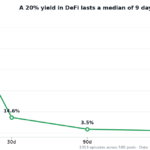
Compare that to the broader market. Bitcoin was flat on the day. Ethereum was down 0.5%. The DeFi Yield Reality Check piece I did last month highlighted how most yield pools are paying peanuts. ATLAS changes the narrative because it creates a new revenue stream. LayerZero collects fees on settlement, and those fees get distributed to ZRO stakers. If the volume comes, the yield on ZRO could actually be meaningful, not the 1.9% median that most DeFi pools offer.
Is this sustainable? The skeptics will point to the validator set. LayerZero’s governance controls who gets to be a validator. That’s a trust assumption, though arguably less than a traditional bridge. But the market is pricing in the upside case right now. ZRO is up nearly 50% from its low of $2.35 two weeks ago. That’s a $280 million increase in market cap. The market is betting that ATLAS is the real deal.
What This Means for the Competition
This is where it gets interesting. LayerZero’s main competitor in the cross-chain messaging space is Wormhole, which has its own token, W. Wormhole has been around longer, but it hasn’t announced a settlement engine yet. The Wormhole team is reportedly working on something, but they’re behind. ATLAS puts LayerZero ahead in the race for what I’d call the “settlement layer” narrative. That’s a $10 billion total addressable market if you believe the projections from Messari and other research firms.
Then there’s the bridge layer. Projects like Stargate, Synapse, and Across have been doing cross-chain swaps for years, but they rely on liquidity pools and a different security model. ATLAS is more akin to a settlement layer, like a cross-chain clearinghouse. It doesn’t compete directly with Stargate, it actually complements it. Stargate could use ATLAS as its backend to reduce risk. But if ATLAS becomes the standard, LayerZero captures the fee economics, not the liquidity providers.
And the big picture? This is a step toward the vision of a “multi-chain future” that everyone talked about in 2021 but nobody built. ATLAS is the first real settlement engine that works across EVM and non-EVM chains. Solana, Aptos, Sui, all of them are supported. That’s a technical achievement. The LayerZero official site has the technical details, but the gist is that they’ve built a custom light client for each chain, which is no small feat.
The Bet Going Forward
So where do we go from here? The immediate catalyst is the ATLAS mainnet launch, which is scheduled for next month. If it goes smoothly, expect another leg up. If there’s a bug or a hack, well, you know the drill. But the market is pricing in a successful launch. The options market is showing elevated implied volatility, and the skew is heavily bullish for calls. The smart money is betting on a continuation.
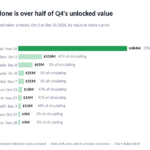
For anyone holding ZRO, the next few weeks are critical. The unlock schedule is important too. About 30% of the circulating supply is locked and will start unlocking in Q2 2025. That could create selling pressure, but if ATLAS drives enough fee revenue, it might offset that. We’ll see.
One thing is clear: LayerZero is no longer just a messaging protocol. It’s a settlement layer. And in crypto, the settlement layer is where the real money is made. Just ask the folks who built Ethereum or Bitcoin. If ATLAS works, ZRO could be the next big infrastructure play. If it doesn’t, it’s back to the drawing board. But right now, the market is giving them the benefit of the doubt. And in this market, that’s saying something.
Frequently Asked Questions
What is LayerZero ATLAS?
ATLAS is a new settlement engine built by LayerZero that enables secure, fast cross-chain transactions without relying on traditional bridges. It uses a decentralized validator set to verify and finalize transfers between different blockchains, reducing the risk of hacks and improving settlement speed.
How does ATLAS affect ZRO token price?
The announcement caused ZRO to jump 10% in one day and nearly 50% from its recent local bottom. The market is pricing in the potential for ATLAS to generate fee revenue that gets distributed to ZRO stakers, changing the token’s value proposition from pure governance to a yield-bearing asset.
Is ATLAS better than existing bridges?
ATLAS differs from bridges in that it acts as a settlement layer rather than a liquidity pool. It offers tiered security based on transaction size and supports multiple chain types including EVM and non-EVM like Solana and Aptos. While bridges remain useful for smaller swaps, ATLAS aims to handle larger, more secure cross-chain settlements.