



You’ve heard of someone faking a Rolex theft. Maybe a staged fire in a restaurant. But a custom-built miniature city of Lego bricks worth £2 million? That’s where the story gets weird, and expensive for the rest of us.
Last year, a UK man was sentenced to 28 months in prison after claiming his vast Lego collection was stolen from a storage unit. The Association of British Insurers (ABI) flagged the case as one of the most audacious insurance fraud stings of 2024. And it’s a perfect window into how scammers are getting more creative, and how insurers are fighting back with data, surveillance and old-fashioned suspicion.
The fraudster, whom we won’t name because his mugshot isn’t the point, had insured a multi-million-pound Lego collection, hundreds of sets, some rare, some built into elaborate dioramas. He filed a claim in 2022 saying the collection had been stolen. The insurer paid out, but something didn’t smell right.
A subsequent investigation, including, reportedly, forensic reviews of his financial history and movement logs, revealed the collection was partly fake, partly never existed, and the alleged theft was staged. The ABI’s Fraud Bureau clocked him. By the time the case hit court, it was a clean win for the industry.
But the story isn’t just one man’s bizarre Lego fantasy. It’s a signal. Insurance fraud is changing shape, and the people who commit it are getting more sophisticated, or at least more imaginative. The question is: what does that mean for your policy premium?
Imagination vs. the Investigators
The Lego case sits in a category that fraud experts call “opportunistic fabrication.” Not a hardened criminal gang, but an individual who thought the insurer would just write a cheque and move on. He was wrong.
According to the ABI, insurance fraud costs the UK insurance industry over £3 billion annually. That’s about £50 per policyholder per year tacked onto premiums. In the US, the number is even starker: the FBI estimates non-health insurance fraud totals more than $40 billion per year. Every bogus claim, whether a £2 million Lego castle or a faked car accident, gets socialized across honest customers.
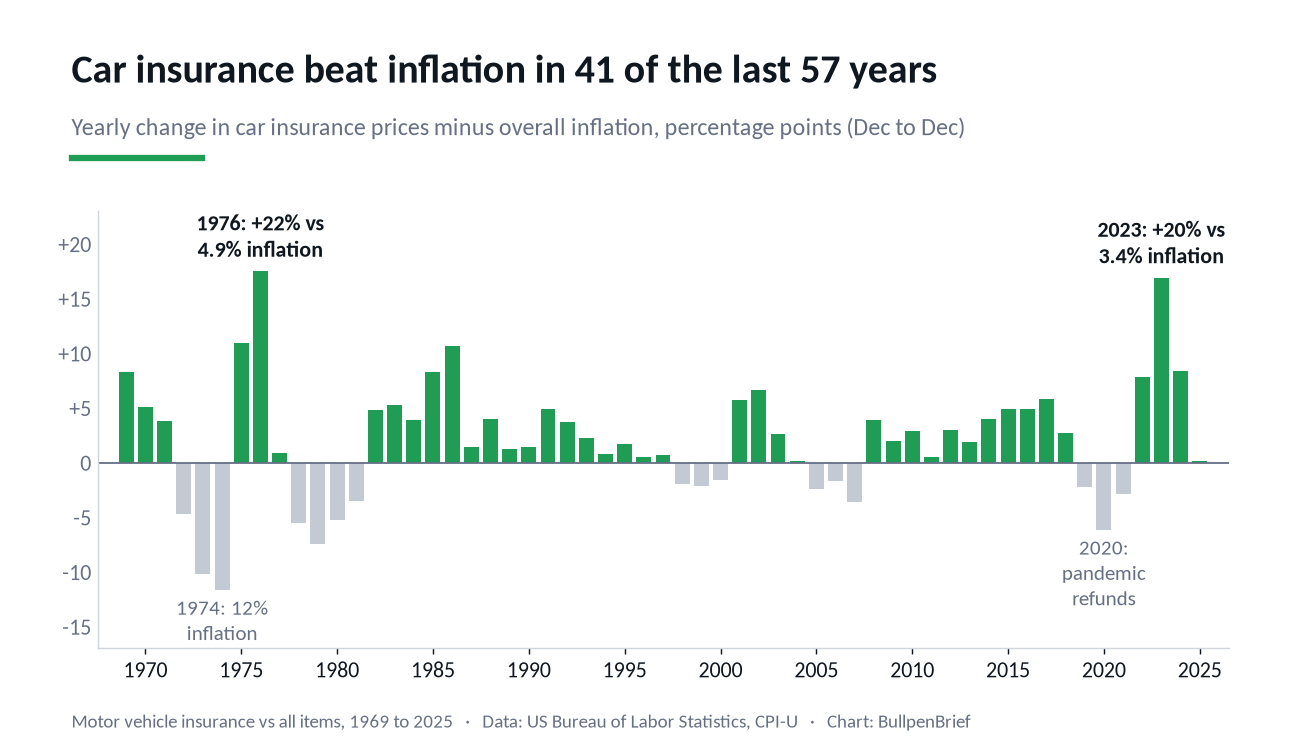
So when you hear about a “Lego fraudster,” you’re hearing about one reason your home or auto premium went up this year. The fraud didn’t stop because the guy got caught; it stopped because the industry invested heavily in detection technology. But the cost of that detection is also baked into premiums.
The ABI’s investigation into the Lego case used something called the Insurance Fraud Register, a database of known fraudsters that insurers share. It’s a simple idea: if you’ve been caught faking a theft with Lego, you’re flagged for life across dozens of companies. That network is a powerful deterrent, but it relies on insurers actually catching the fraud first.
The Broader Trend: Fantasy Fraud Is Rising
This isn’t an isolated freak incident. The ABI’s 2024 fraud report revealed a 15% year-on-year rise in detected fraudulent claims, with “invented events”, like the Lego theft, making up a growing share. These are claims where the customer fabricates the entire incident, from the stolen items to the police report.
Why? Because it’s easier than ever to manufacture evidence. A convincing-looking receipt, a burnt-out car shell, a fake police incident number. Social media gives fraudsters ideas, and covers for lies. “Post a picture of your Lego city, then claim it was stolen? That’s the modern con.”
But insurers are also weaponizing data in ways the public doesn’t see. They scrape social media for posts showing the claimed “stolen” items in use. They check timestamps against claim dates. They use geolocation data from mobile apps. Some even use AI to flag claims with unusual wording or timing patterns.
In the Lego case, investigators reportedly found photos of the collection on the man’s own Facebook account after the alleged theft date. Oops.
What This Means for Your Wallet
Every Lego brick in that fake collection cost honest policyholders. And as fraud becomes more creative, the industry adapts by raising premiums or tightening underwriting. Which is where a different kind of timing comes in.
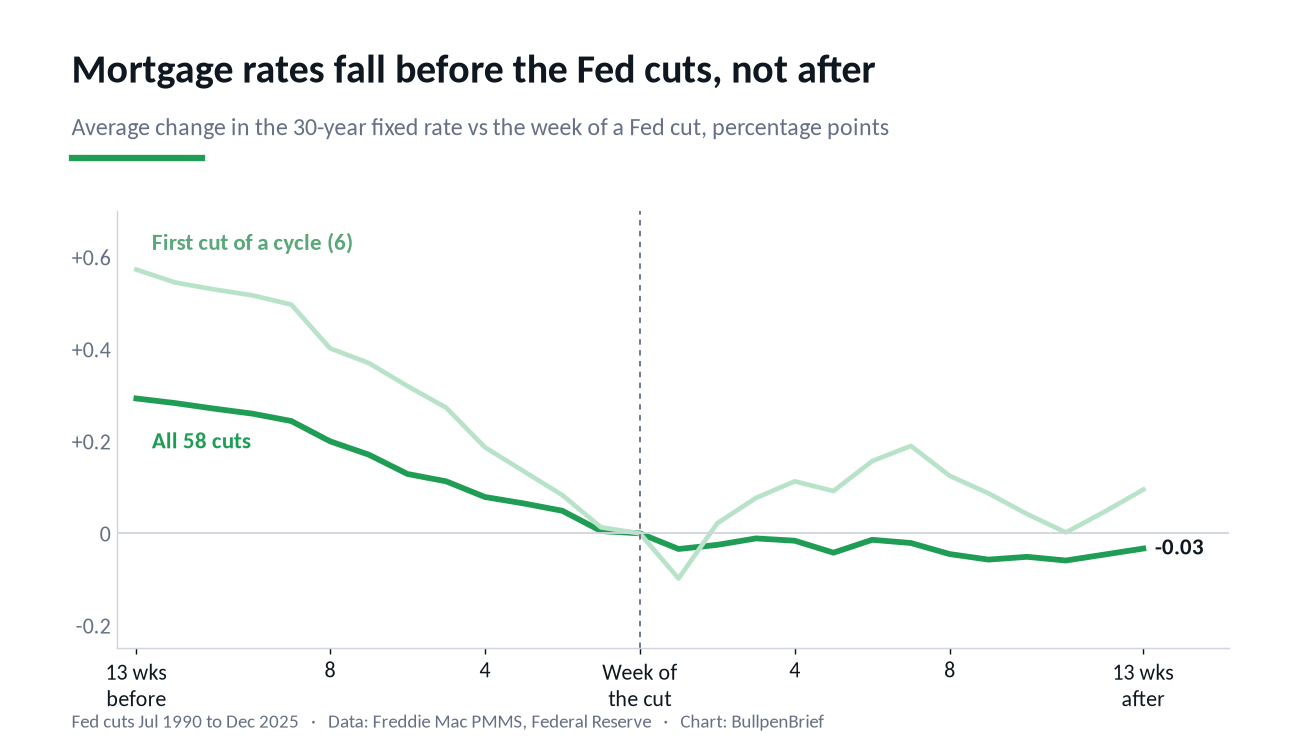
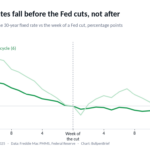
If you’re shopping for insurance, or any financial product with a timing component, it’s worth understanding how markets and rates move. For instance, our analysis of 58 Fed cuts since 1990 shows mortgage rates tend to fall before the actual cut, not after. That same principle applies to insurance: rates are repriced based on trailing loss data. So the fraud from the Lego case is already baked into 2025 premiums. You’re paying for last year’s scams today.
Insurers don’t adjust premiums overnight. They collect data, identify trends, then file for rate changes months later. That lag means the Lego claim and others like it will hit your bill in the next 12-24 months. The ABI is pushing for faster data sharing between companies to close that loop, but it’s a slow process.
The Real Cost of Being Creative
Let’s talk about the psychology for a second. Most fraudsters don’t think they’ll get caught. The Lego guy likely believed his story was too unique to be investigated. But insurers are trained to identify uniqueness as a red flag, not a virtue.
In 2023, the UK’s City of London Police’s Insurance Fraud Enforcement Department (IFED) secured over 100 convictions for insurance fraud. The sentences range from community service to four years in prison. 28 months for the Lego scam is on the higher end, which suggests the judge took a dim view of the sophistication, or the sheer cheekiness, of the scheme.
And what happens to the policy after a fraud conviction? The ABI says those individuals are blacklisted across members. You can’t just switch to a new insurer. Your file follows you. The Lego fraudster won’t get home, car or travel insurance for years, if ever. That’s a longer sentence than the 28 months, in practical terms.
So the next time you see a jaw-dropping claim in the news, a stolen yacht, a fake Picasso, a Lego city, remember: that story is your story too. You’re paying for it, one premium at a time.
– Marcus Webb, BullpenBrief
Frequently Asked Questions
It’s a database shared by ABI member insurers that records individuals caught committing fraud. Once flagged, they face difficulty obtaining insurance across the industry. The Lego fraudster will be entered into this register, effectively banning him from legitimate insurance for years.
According to the ABI, invented event frauds rose 15% in 2024. They include staged thefts, fake car accidents, and fabricated property damage. Insurers are using social media checks and AI to detect these, but it remains a significant cost to policyholders.
Yes, but the impact is indirect and lags. Insurers set premiums based on average claim costs and loss ratios. A sustained drop in fraud would reduce those costs over 1-3 years, leading to lower rate filings. However, fraud detection costs are high, so net savings are modest. The easiest way to reduce your premium is to shop around and maintain a clean claims history.