




I’ve been around long enough to see hacks destroy projects. Usually it’s days of silence, then a vague statement, then the team disappears. But last night’s $3.8 million exploit on NEAR Intents flipped that script. The team patched the bug in under an hour, announced full user compensation before morning, and the token barely flinched. Was this the most bullish hack we’ve ever seen?
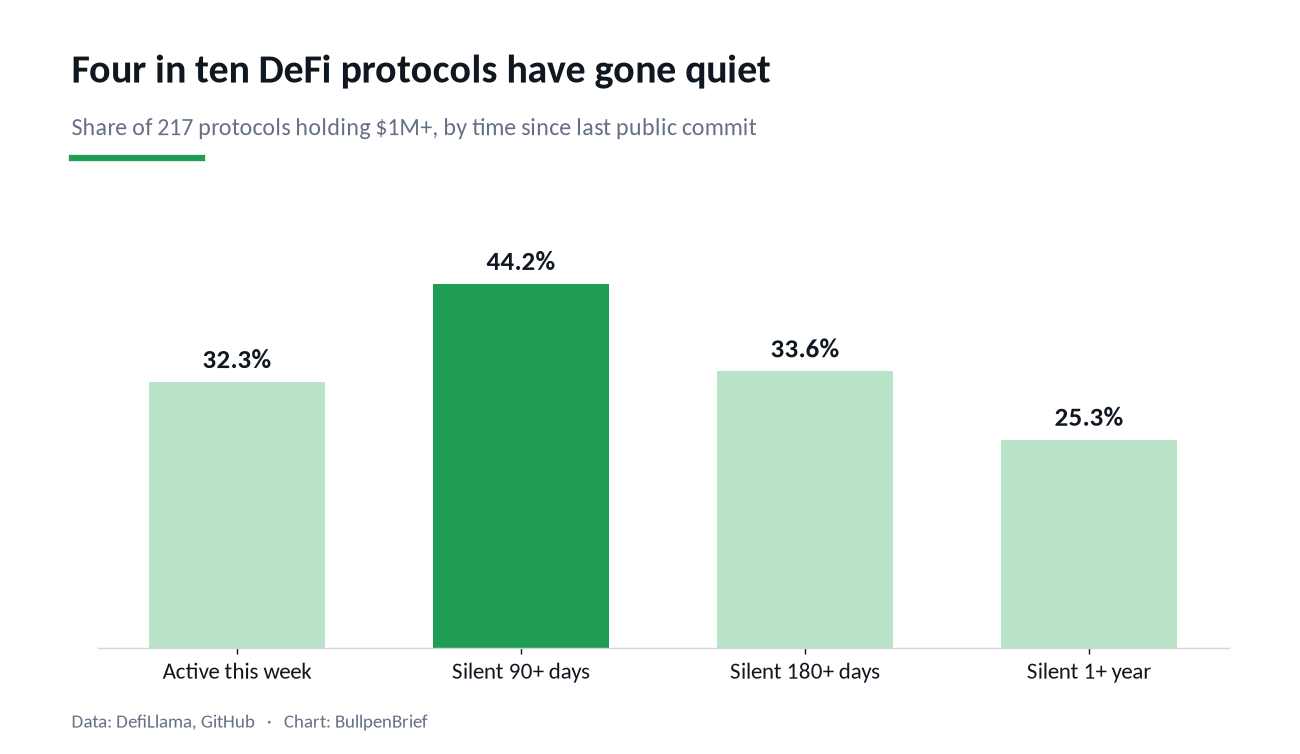
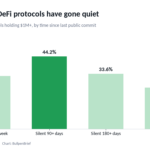
Let’s be clear: losing user funds is never good. But in a space where 44% of DeFi protocols holding your money have not shipped code in 90 days, a team that can identify, fix, and communicate within sixty minutes is a rare breed. The question is whether this response actually strengthens trust, or just reminds everyone how fragile the infrastructure still is.
What Actually Happened
Around 8:30 PM UTC on Tuesday, an attacker exploited a vulnerability in the NEAR Intents settlement layer. The bug allowed them to drain approximately $3.8 million in various tokens, mostly USDC and NEAR. The exploit targeted a smart contract handling cross-chain intent routing, essentially the order-matching engine that lets users swap assets across chains without wrapping or bridging.
Here’s where it gets interesting. Within 15 minutes, the NEAR Foundation’s security team identified the root cause. Within 45 minutes, they deployed a fix. Within an hour, the exploit was neutralized. And by 11 PM, they’d publicly committed to making all affected users whole from the project’s treasury.
Compare that to the average response time for major DeFi hacks. The $600 million Poly Network exploit took days to stabilize. Ronin took weeks. Wormhole took months to fully reimburse. NEAR Intents did it in hours. That’s not just fast, that’s a new standard.
Why This Matters for Your Portfolio
If you hold NEAR or use any intent-based DeFi protocol, this event tells you something about the team’s operational maturity. Speed of response is the single best proxy for security competence I’ve found. A slow fix means either the team doesn’t have the technical depth to understand the bug, or they’re scrambling to figure out whether to cover losses. Neither inspires confidence.
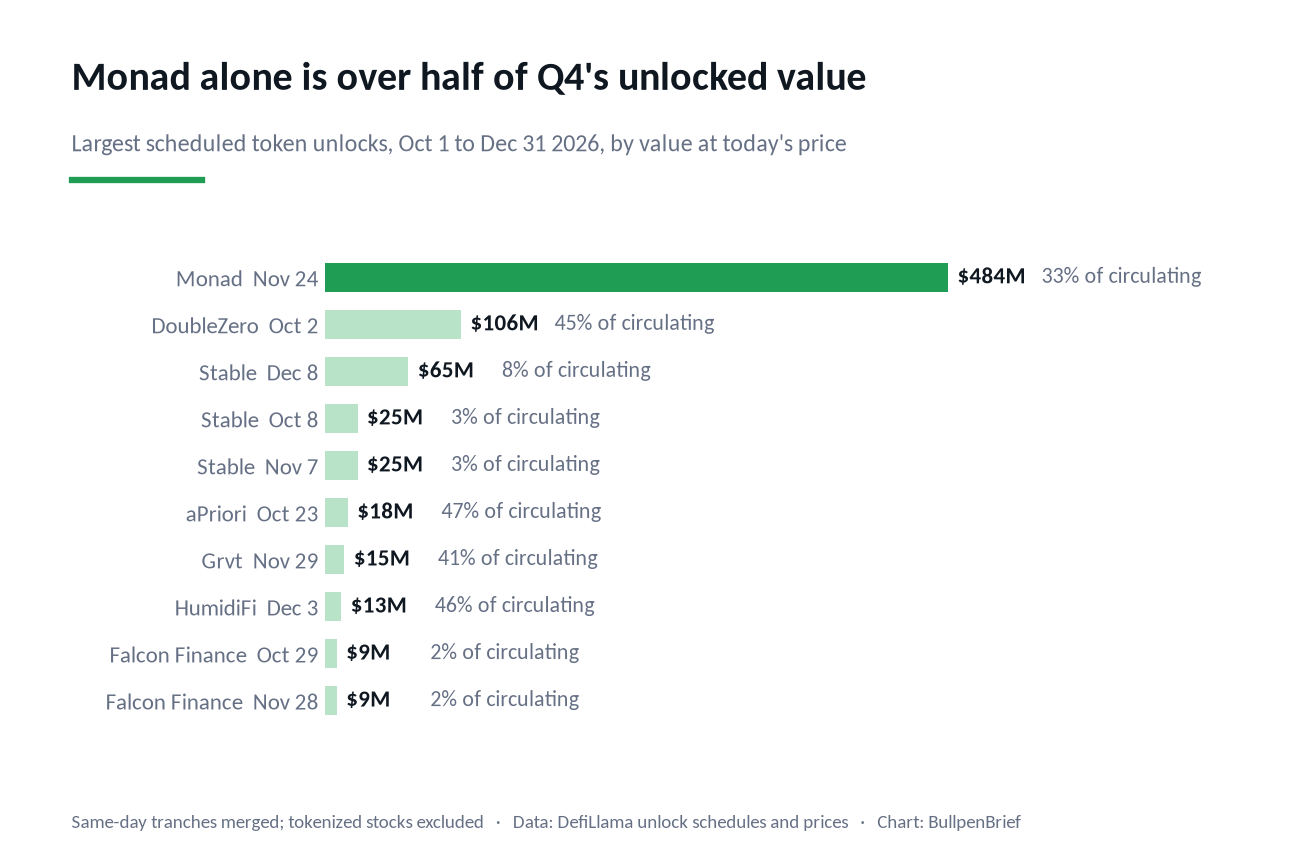
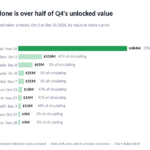
The NEAR team’s immediate compensation pledge also removes the worst-case scenario for users: permanent loss. Historically, hacks that get fully reimbursed see the token recover faster. Look at our analysis of 5,664 token unlocks, the dump is mostly a myth when the fundamentals hold. Same logic applies here: if the treasury is strong enough to absorb a $3.8 million hit without diluting holders, that’s a signal of financial health.
Now the bear case: a $3.8 million exploit is small relative to NEAR’s $5 billion market cap. But it’s not small to the users who lost funds. And even fast fixes don’t erase the fact that the vulnerability existed. The attacker likely still has the exploit knowledge, they just can’t use it anymore. That doesn’t stop a copycat on a similar architecture.
Was This a ‘Good’ Hack?
I hate that phrasing, but there’s a weird dynamic in crypto where a well-handled crisis can actually boost confidence. The market seems to agree: NEAR’s price dropped 2% during the exploit and recovered within four hours. The token is actually up 1.5% in the last 24 hours. That’s not a vote of panic.
Compare this to the typical DeFi yield farm that gets exploited and never recovers. The difference is transparency and speed. NEAR Intents published a post-mortem within two hours, including the exact commit hash of the fix. They’ve open-sourced the patch. That level of accountability is rare.
But let’s not get carried away. A hack is a hack. The bullish narrative only works if the team follows through on compensation and if the bug was a one-off rather than a systemic architectural flaw. The next exploit, if it comes, will test whether this response was a fluke or a culture.
What the Smart Money Will Watch
Three things from here. First, the actual reimbursement mechanics: will users get their exact tokens back or a NEAR-denominated equivalent? Second, whether any of the stolen funds get returned, the attacker’s wallet is still active, and negotiations could happen. Third, whether other intent-based protocols (like Across or Uniswap X) review their own code after seeing this.
For now, NEAR Intents has set a new bar for crisis management. The question is whether the rest of the industry can clear it. My bet? Most won’t. And that makes the teams that can, like this one, worth paying attention to.
If you’re holding NEAR, I’d watch the next week for any signs of delayed compensation or second bugs. If none appear, this might actually be the kind of stress test that separates serious projects from the rest.
Frequently Asked Questions
Will NEAR users get their funds back?
Yes. The NEAR Foundation has publicly committed to making all affected users whole from the project’s treasury. The exact timeline and token denomination are still being finalized, but the commitment is firm.
How was the bug fixed so quickly?
The vulnerability was in the intent settlement contract’s validation logic. The security team had already been auditing similar code paths and recognized the pattern immediately. They deployed a patched contract and paused the vulnerable one within 45 minutes.
Should I withdraw my funds from NEAR Intents?
Not necessarily. The exploit is patched and funds are covered. However, if you’re risk-averse, you may want to wait until the full reimbursement process is complete and a third-party audit confirms the fix. The team’s fast response is a positive signal, but no protocol is bulletproof.