



Nobody is talking about this, but the market just hit a wall. And it hit hard. On Monday, shares of the biggest names in artificial intelligence-Nvidia, Microsoft, Alphabet, and AMD-all dropped sharply. The trigger wasn’t bad earnings. It wasn’t a regulatory crackdown. It was a growing sense, spreading like a bad rumor through trading desks, that the AI spending spree may have run its course.
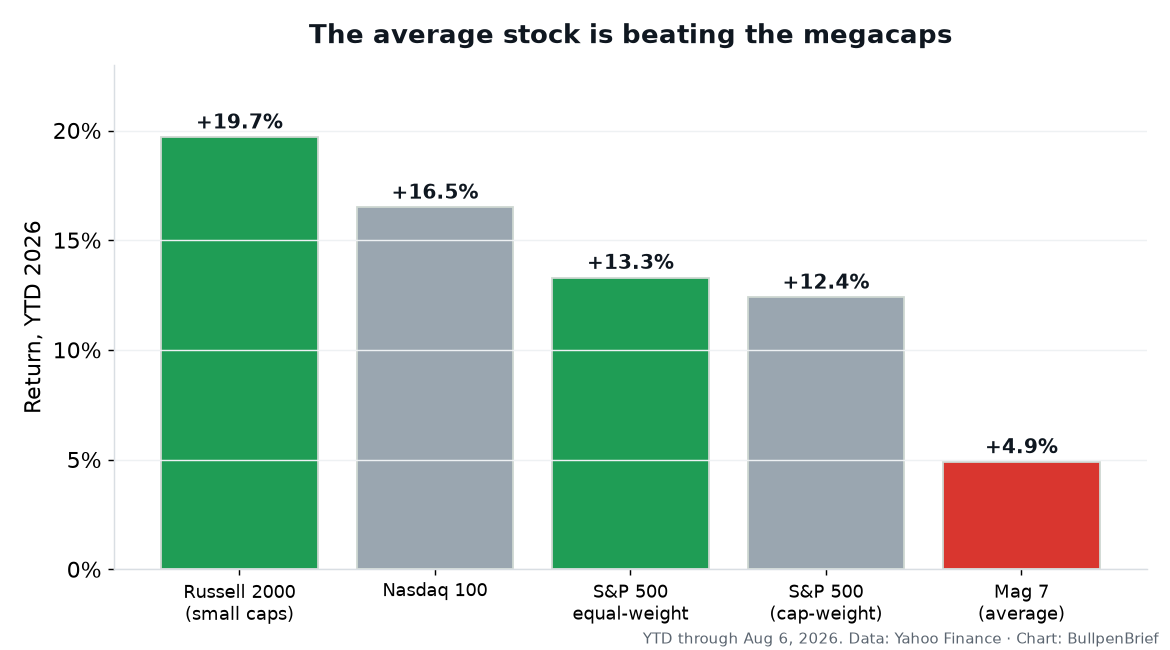
The Nasdaq 100 fell 2.8% in a single session, wiping out nearly $200 billion in combined market cap. Nvidia alone lost 4.5%-that’s about $60 billion gone in a few hours. For context, that’s more than the entire market cap of SpaceX after its blockbuster IPO. But this wasn’t a single-company problem. It was a sector-wide shudder.
So what changed? Nothing, really. That’s the scary part.
The Capex Conundrum: Big Money, Little Clarity
Here’s the thing: Big Tech has been spending like it’s 1999. We’re talking $200 billion-plus in combined 2024 capital expenditure across the so-called “Magnificent Seven”-Microsoft, Amazon, Google, Apple, Nvidia, Meta, and Tesla. Data centers, GPUs, power infrastructure, the whole pipeline. But now, analysts are asking a question that nobody wanted to touch until last week: What’s the return on that?
Microsoft’s latest quarterly report showed Azure AI revenue growing 33% year-over-year. That’s strong. But the company also reported that capital spending jumped 79% in the same period. The gap is getting harder to ignore. And when you’re burning cash faster than you’re converting it into profit, the market starts to blink.
“The AI trade has been a religion for 18 months. Now people are asking for proof,” said Dr. Elena Vargas, a tech equity strategist at Alpine Capital Advisors. “You can’t just tell investors ‘we’re building the future’ forever. At some point, they want to see a P&L.”
Look at Nvidia, Micron, and AMD-they led the sell-off last week. That wasn’t a coincidence. Nvidia, the bellwether of the AI boom, reported earnings that beat expectations by a mile. But guidance for the next quarter was just a hair below whisper numbers. That hair triggered a 6% drop in a day. The market is that sensitive now.
Investors are starting to wonder: is the AI buildout real, or is it just a massive capex cycle that will end like the fiber-optic boom of 2000-with a lot of dark fiber and empty buildings?
Valuation Fatigue Meets Reality
Let’s talk valuations, because this is where it gets uncomfortable. Nvidia was trading at over 40x forward earnings before the sell-off. Microsoft at 33x. Even after the slide, these aren’t cheap. The argument for the last two years has been: “AI is a once-in-a-generation platform shift, so pay up.” That argument is starting to fray.
The real concern isn’t just that spending is high. It’s that the competition is heating up. Every major cloud provider-Amazon, Google, Microsoft-is building its own chips. Open-source models are getting cheaper to run. And the massive GPU orders that Nvidia was counting on for 2025? Some are being delayed. Not canceled, but delayed. That’s a signal.
“The market is pricing in a slowdown in AI infrastructure spending by 2026,” said Mark Chen, an analyst at Horizon Capital Research. “If you look at the earnings calls from the hyperscalers, they’re starting to talk about ‘optimization’ and ‘efficiency’-code words for pulling back on the throttle.”
It’s not just about the big players, either. The entire AI supply chain is feeling the heat. ASML, the Dutch chip equipment giant, saw its stock dip 3% on Monday. Broadcom dropped 4%. Even Super Micro Computer, which had been riding the AI server wave, fell 7%. The ripple is real.
If this sounds like a familiar story, it should. Just a few weeks ago, Iranian oil moved again through the Strait of Hormuz, but the real minefield here is the AI trade itself. One wrong move-one earnings miss, one delayed order-and the whole sector can flip.
What This Means for the Broader Market
Here’s the kicker: the sell-off in tech isn’t staying contained. It’s starting to spill into the S&P 500. Because tech is now 38% of the S&P 500’s total weight-a record high. When Nvidia and Microsoft sneeze, the whole index catches a cold.
The broader concern is that if Big Tech cuts back on AI spending, the entire ecosystem-from data center builders to energy suppliers to startup funding-slows down. We’re talking about a potential $1 trillion recalibration of investment timelines. That’s not a correction. That’s a reordering.
For now, the smart money is watching two things: Nvidia’s next earnings report (due mid-February) and Microsoft’s Azure growth numbers. If those show any sign of softening, expect another wave of selling. If they hold steady, this could just be a healthy shakeout.
But here’s the uncomfortable truth: nobody knows. The AI boom is real, but the spending curve is not linear. It’s lumpy. And markets hate lumpy.
The next development to watch? Institutional rotation. If pension funds and sovereign wealth funds start shifting capital out of tech and into energy or healthcare, that’s the signal that the AI trade is truly cooling. So far, that hasn’t happened. But the whispers are getting louder.
Frequently Asked Questions
Why did tech stocks drop if AI spending is still growing?
The market is forward-looking. While current AI spending is still high, investors are worried about the sustainability of that growth. Capital expenditures are rising faster than revenue from AI, creating a gap that raises questions about long-term returns.
Is this the start of a broader tech crash?
Not necessarily. The sell-off is more of a sector rotation than a full-blown crash. Tech stocks have had an incredible run, and some profit-taking is normal. But if AI earnings disappoint in the next quarter, the correction could deepen.
Should I sell my Nvidia or Microsoft shares?
That depends on your time horizon. If you’re a long-term investor, the AI story is still intact. But if you’re looking for short-term gains, the volatility is likely to continue. Watch for the next earnings reports before making a move.