


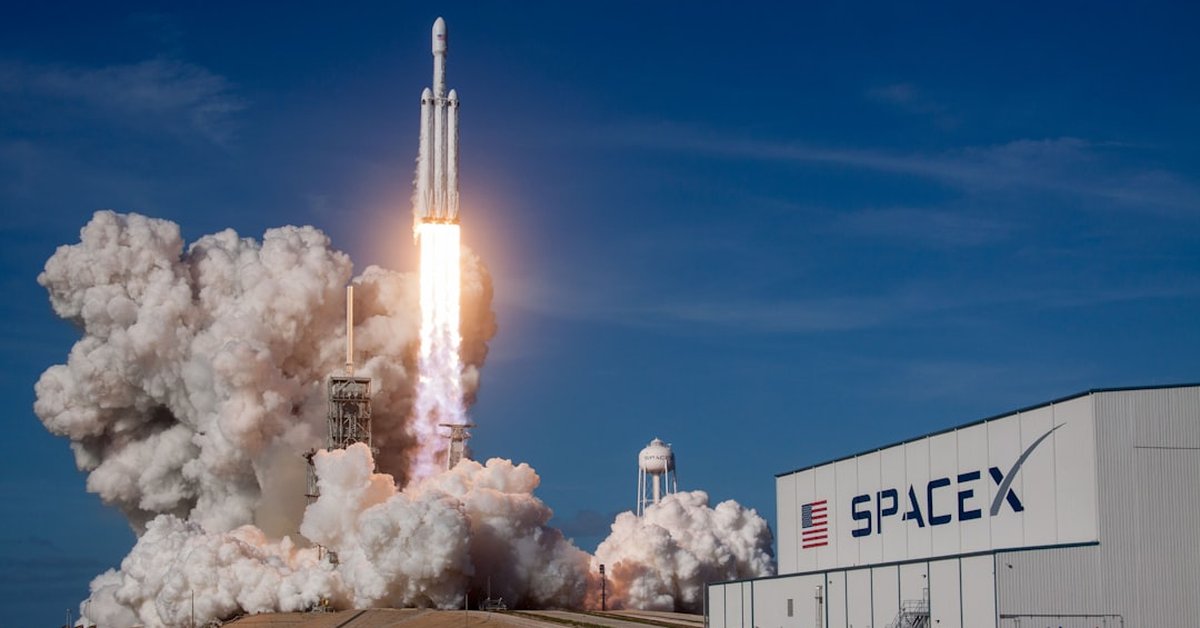
SpaceX finally went public, and Main Street investors are scrambling for a slice of the rocket pie. After years of private funding and Elon Musk’s trademark unpredictability, the company trading on the Nasdaq under the ticker $SPACE. But here’s the thing that everyone’s asking: How far does a grand actually get you?
Let’s cut to the chase. At the opening price of $89.42 per share on October 15, 2024, a $1,000 investment nets you roughly 11 shares. That’s it. Eleven shares of a company that put humans on Mars orbit and makes Starlink rain from the sky. But-and this is a big but-the real story isn’t the math. It’s the volatility, the valuation, and what happens next.
SpaceX priced its IPO at $81 per share, valuing the company at a staggering $275 billion. That made it the largest US listing since Uber in 2019. By the end of the first trading day, shares had popped 11%. Your $1,000 would have turned into $1,104 if you sold at the close. Not bad for a day’s work. But hold your horses-this isn’t a straight line to the moon.
What $1,000 Actually Buys You Now
We’re talking about 11 shares at the open. But here’s the twist: SpaceX’s offering wasn’t your standard IPO. The company used a direct listing, bypassing underwriters and letting the market decide the price. That means early volatility was-and still is-gnarly. On day two, shares dipped 7% after analysts at Reuters flagged concerns about Starship’s delayed timeline. So your 11 shares might be worth $950 today. Or $1,200 tomorrow. This is not for the faint of heart.
Look, even seasoned investors are scratching their heads. “SpaceX is a unique beast-it’s part defense contractor, part telecom, part obsession,” says Dr. Aisha Patel, a space economy researcher at MIT Sloan. “A $1,000 stake here isn’t about dividends. It’s about betting on humanity becoming a multiplanetary species. That’s a high-risk, high-reward play if ever there was one.”
And let’s be real: most retail investors will buy fractional shares through brokers like Robinhood or Fidelity. So you could grab 0.11 shares for a hundred bucks. Not exactly a board seat, but it’s a foot in the door.
The MANGOS Factor and Why It Matters
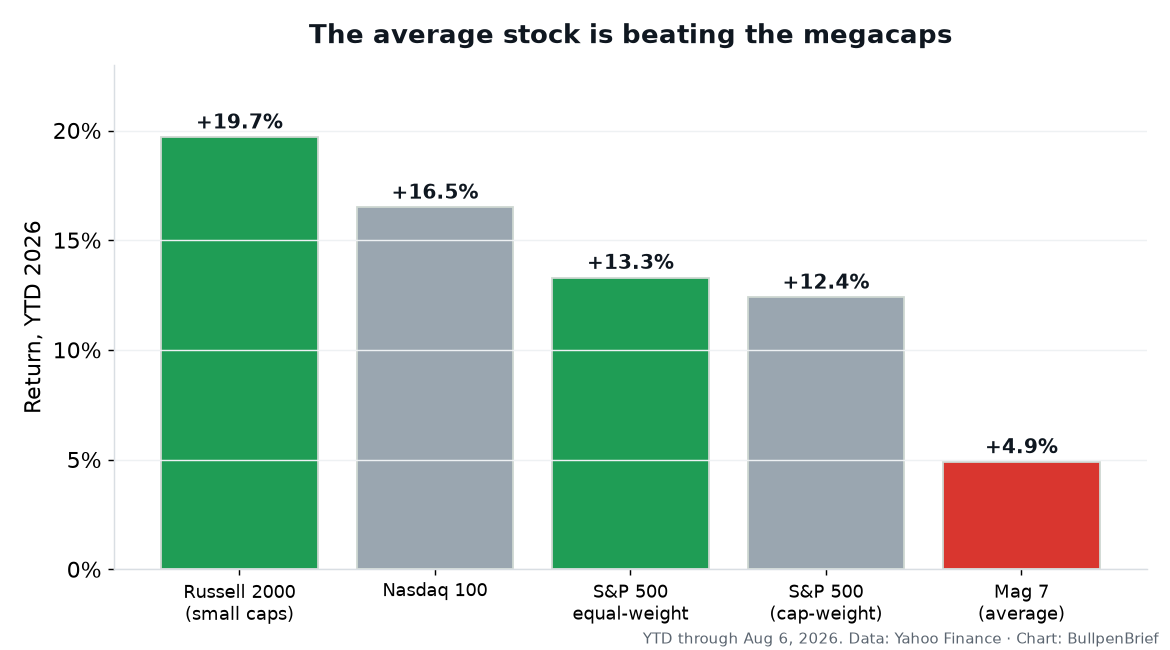
SpaceX enters the public markets at a curious time. The so-called ‘MANGOS’ stocks-Microsoft, Apple, Nvidia, Google, Oracle, and Salesforce-are showing signs of fatigue. After a blistering AI-driven rally, those giants are seeing growth slow. Investors are desperate for the next big story. SpaceX is it. But can a rocket company deliver the same returns as a software monopoly?
The numbers suggest caution. SpaceX generated $8.7 billion in revenue in 2023, mostly from Starlink and NASA contracts. That’s a fraction of Apple’s $383 billion. Yet SpaceX’s valuation is 32 times revenue. Apple trades at 8 times. You’re paying a premium for narrative. And narratives can flip fast.
“Musk’s personality is a double-edged sword,” notes Mark Johnson, a portfolio manager at Vanguard-Tech Capital in London. “He can inspire the troops and sell tickets to Mars, but his Twitter antics have cost Tesla billions. If he pulls the same stunts with SpaceX public, your $1,000 could evaporate overnight.”
What the Experts Are Saying
Dr. Patel again: “SpaceX is years ahead of competitors in reusable rockets. But their margins are thinner than people assume. Each Falcon 9 launch costs $15 million-that’s cheap for the industry, but it’s not some 90% margin software business. This is hardware with real fuel costs.”
Johnson adds: “I’d compare it to investing in Tesla in 2013. The hype was real. But early investors who held through the bumps made 20x. The question is whether you have the stomach for 50% drawdowns along the way.”
And remember-SpaceX still isn’t profitable on a GAAP basis. It posted a net loss of $560 million in 2023. The bull case rests entirely on Starlink achieving global coverage and Starship becoming operational. Those are “if” bets.
History Repeats? Maybe Not.
SpaceX’s offering echoes the Trump meme coin disaster back in January 2024, where nearly a million retail investors lost $3.8 billion chasing a political fad. Not that SpaceX is a meme-it’s a real company. But the frenzy is similar. Social media buzzed for weeks about the IPO. YouTubers screamed “BUY BUY BUY.” Does that sound familiar?
The difference? SpaceX has assets you can touch-rockets, satellites, ground stations. The Trump coin had nothing. So the risk profile is lower. But the hype premium is real.
Here’s the bottom line: A $1,000 investment in SpaceX gets you a tiny claim on the most audacious private company in history. It’s a lottery ticket with a mission statement. If Starship succeeds and Starlink turns into a cash machine, that grand could be worth $10,000 in a decade. If SpaceX stumbles-regulatory delays, Mars mission failures, Musk distraction-you could lose half.
Don’t bet your retirement on it. But if you’re young and have cash to burn? Sure. Buy 11 shares, frame the confirmation, and dream big.
Looking ahead, all eyes are on the next Starship test launch-expected in early 2025. If it goes orbital, expect a spike. If it explodes, well, volatility works both ways. And in a market where crypto stocks can jump 19% on a listing, anything is possible.
Frequently Asked Questions
Can I buy fractional shares of SpaceX?
Yes. Most major brokers like Robinhood, Fidelity, and Schwab allow fractional share purchases. You can buy as little as $1 worth of $SPACE.
Does SpaceX pay a dividend?
No. As of the IPO, SpaceX does not pay a dividend. The company reinvests heavily into Starship, Starlink, and R&D. Don’t expect any cash payouts for years.
Is SpaceX stock risky?
Extremely. It’s a high-growth, capital-intensive company with a volatile CEO and unproven tech like Starship. It could double-or halve-in a year. Only invest money you can afford to lose.