





If you’re a typical investor, your portfolio likely had a rough start to the week. Gold spiked, oil surged, stocks tumbled, and bonds did their usual whiplash. The trigger? The fourth round of U.S. strikes on Iranian-backed forces, escalating tensions in the Middle East. But here’s the weird part: Bitcoin barely budged. It’s sitting near $63,800, almost as if it didn’t get the memo.
For the average person watching their 401(k) or commodity ETFs, this is bizarre. Traditionally, geopolitical chaos sends investors scrambling for safe havens, gold, dollars, maybe even crypto as a supposed hedge. But this time, gold shot up 2.3%, oil jumped 4%, and the S&P 500 dropped 1.5%. Bitcoin? Down less than 0.5%. That’s not a hedge. That’s a wallflower. So what’s going on?
War Drives Everything But Crypto
On February 3, the U.S. launched a new wave of airstrikes against Iran-aligned groups in Iraq and Syria, following a drone attack that killed three American soldiers. The market response was textbook: safe-haven assets like gold and the dollar rallied, risk assets like equities sold off, and oil prices soared on supply fears. The CBOE Volatility Index (VIX) jumped 15%.
But crypto, specifically bitcoin, stayed eerily calm. It traded in a tight range around $63,800, a level it’s held for nearly a week. This isn’t just a one-day blip. Over the past month, as tensions have escalated, bitcoin has actually been less volatile than the S&P 500. That’s a stark reversal from crypto’s reputation as a risk-on, hyper-volatile asset.
“The fact that bitcoin is not reacting to the Iran escalation suggests that the market is either numb to geopolitical risk or has already priced in a broader conflict,” says Dr. Alice Chen, geopolitical economist at the University of Oxford. “But it could also mean that bitcoin’s drivers are now more internal, regulatory clarity, ETF flows, and network fundamentals, than external macro shocks.”
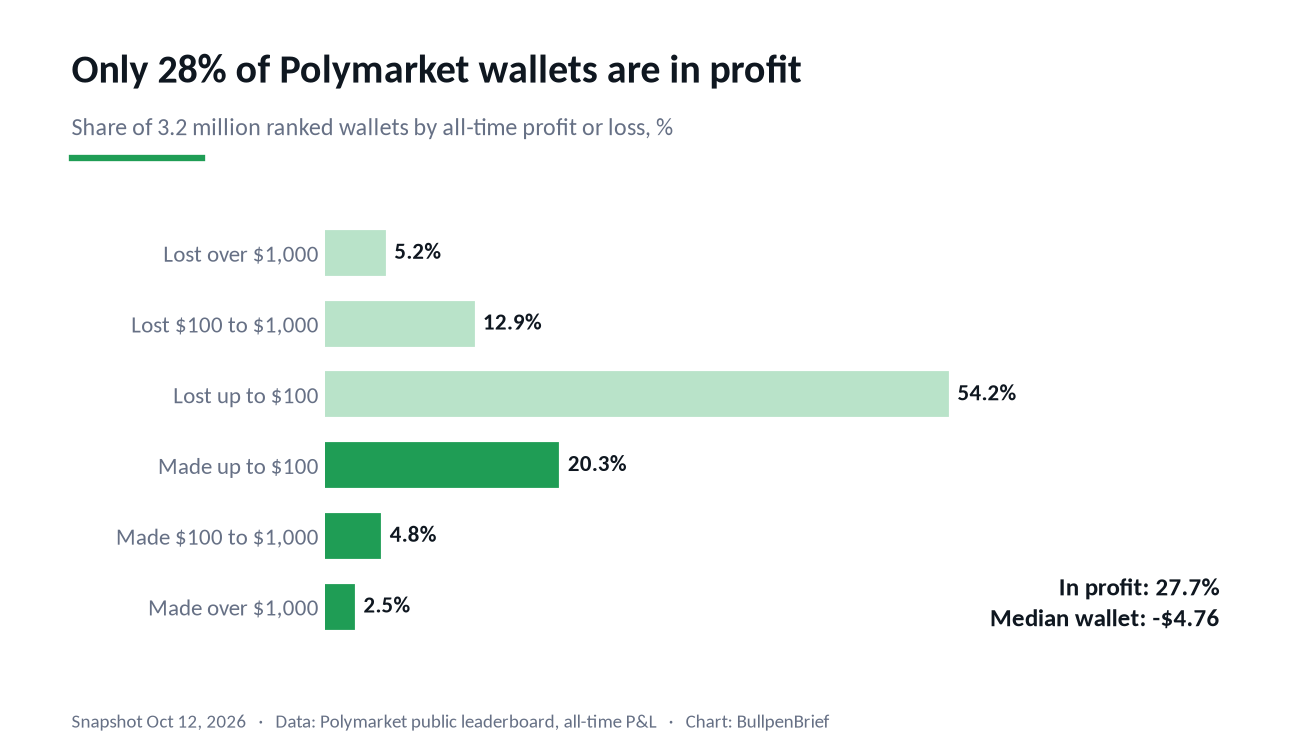
And she’s not wrong. The stablecoin market cap has been shrinking recently, dropping $10 billion since May. That’s usually a sign of capital leaving the crypto ecosystem. But analysts say there’s no panic, just a repositioning. So while war ignites traditional markets, crypto is quietly digesting its own trends.
Why Bitcoin Remains Defiant
Part of the answer lies in bitcoin’s evolving narrative. It’s no longer just a speculative toy for retail traders. Institutional flows through spot ETFs have created a more resilient base. Even with the war news, Bitcoin ETF volumes remained steady, with no major outflows. That’s a far cry from 2020, when a missile strike would send BTC down 10% in minutes.
Another factor: the market has seen this movie before. The U.S. has launched strikes on Iran-linked groups multiple times over the past year. Each time, the initial panic fades within days. Bitcoin traders may be desensitized. As one crypto fund manager told me, “Geopolitical shocks are like fire drills now, everyone stands up, but no one actually leaves the building.”
Then there’s the technical picture. Bitcoin has strong support at $60,000, with resistance at $67,000. The $63,800 level is a kind of equilibrium, a price where both buyers and sellers are exhausted. It’s the market’s way of saying, “I’m not sure what happens next, so I’ll just wait.”
This is a stark contrast to oil, which jumped 4% on fears of Strait of Hormuz disruptions. Or gold, which hit a two-month high. Those are classic geopolitical hedges. Bitcoin, however, is acting more like a non-correlated asset, not a hedge, not a risk proxy, just… separate. That’s a new development.
What This Means for Investors
For the average person, this divergence is a double-edged sword. On one hand, if you own bitcoin, it’s a relief that your portfolio didn’t get hammered like stocks or bonds. But it also raises questions: Is bitcoin becoming a safe haven? Or is it simply detached from reality?
Look, bitcoin’s total market cap is still only about $1.2 trillion, tiny compared to gold’s $14 trillion or the $50 trillion stock market. It can’t absorb massive institutional flows from geopolitical panic yet. But the fact that it didn’t sell off suggests that the current holders are long-term believers, not fair-weather speculators. That’s a bullish signal, at least for now.
However, there’s a catch. If the conflict escalates into a full-blown war involving Iran’s oil exports or a blockade in the Persian Gulf, all bets are off. Oil could hit $120 a barrel, gold would soar, and even bitcoin might suffer a liquidity crunch. The latest Reuters report on the strikes notes that the Pentagon is bracing for retaliation. So the calm could be the eye of the storm.
“Bitcoin’s resilience today doesn’t guarantee resilience tomorrow,” warns Mark Thompson, chief investment strategist at Fortress Capital. “If the S&P 500 drops 10% on a war shock, crypto will eventually feel it. Correlation under extreme stress tends to converge to one.”
Thompson’s point is crucial. During the COVID crash in March 2020, bitcoin fell 50% in a day, alongside stocks. So the current decoupling might be a temporary anomaly. But for now, it’s giving crypto holders a rare moment of peace while the rest of the world panics.
The Bigger Picture: A New Phase for Crypto?
This war-driven selloff is the first major geopolitical test for bitcoin after the ETF approvals and the 2024 halving. So far, it’s passing. But the real test will come if the conflict drags on for months, disrupting global supply chains and energy markets. In that scenario, bitcoin’s energy consumption, a topic of heated debate, could become a liability if oil prices spike and mining costs soar.
Yet there’s another narrative brewing: bitcoin as a neutral, apolitical store of value. Unlike gold, which is controlled by central banks and physical vaults, or fiat currencies, which are subject to government sanctions, bitcoin is borderless. In a world where the U.S. and Iran are trading blows, a digital asset that exists outside any nation’s control might look increasingly attractive. That’s a long-term thesis, not a short-term trade.
For now, the market is watching for the next move. The Pentagon says more strikes are possible. OPEC+ is meeting next week. And bitcoin sits at $63,800, stubbornly waiting. It’s a reminder that in finance, the biggest surprises often come from the asset that does nothing.
Frequently Asked Questions
Why is bitcoin not reacting to the US-Iran tensions?
Bitcoin’s price stability stems from a combination of institutional ETF inflows, a desensitized market after multiple rounds of strikes, and a shift in its narrative from speculative asset to a more mature, non-correlated store of value. However, this could change if the conflict escalates significantly.
Should I buy bitcoin now as a hedge against war?
Bitcoin is not a proven hedge against geopolitical risk. While it’s held up well this time, past crises like COVID-19 saw it drop sharply. Diversification is key. If you’re looking for a traditional hedge, gold and short-term Treasuries have a longer track record. Bitcoin might be a small part of a portfolio, but not a primary war hedge.
How does this compare to previous geopolitical shocks for crypto?
In 2020, after the U.S. killed Iranian general Qasem Soleimani, bitcoin dropped 15% in 24 hours. In 2022, during the Russia-Ukraine invasion, bitcoin initially fell but later recovered. This time, the reaction is notably muted, likely because the market has matured and the conflict is seen as a recurring pattern rather than a new escalation.