


I’ve seen this movie before. It’s 7:00 AM in New York, I’m scanning the order book on Binance, and there it is, a cascade of long liquidations flashing red across the Asian session. Bitcoin just dipped below $63,000, triggering a familiar panic among retail traders nursing hangovers from the weekend. But here’s the thing: the data tells a different story than the headlines.
According to CoinGlass, total crypto liquidations over the past 24 hours hit roughly $112 million. That sounds dramatic until you realize it’s about a sixth of the worst flush we saw in the last 30 days, when over $650 million evaporated in a single afternoon. This isn’t a systemic crack; it’s a minor margin call. A blip. But in markets, perception is reality, and the perception right now is that Asia is sweating.
What Triggered the Slide?
The move started around 3:00 AM Hong Kong time. Bitcoin slumped from $64,200 to $62,800 in under two hours, dragging Ethereum and Solana with it. Leverage was the culprit, plain and simple. Funding rates on perpetual swaps had been elevated for days, signaling overcrowded longs. When the price couldn’t break $64,500 resistance, the weak hands got shaken out.
“It’s a classic long squeeze in a thin liquidity environment,” says Dr. Elena Torres, quantitative analyst at Blockstone Capital. “Asian sessions often have lower order book depth, so a few big sell orders can cascade into stop-loss triggers. The fundamentals haven’t changed, no regulatory bombshell, no exchange hack. Just math.”
This isn’t isolated either. The broader macro backdrop is getting choppy. Oil Spikes, Futures Slump as US-Iran Strikes Rattle Markets, that kind of geopolitical noise tends to push risk assets lower, and crypto hasn’t been immune despite its recent decoupling narrative. But let’s be honest: Bitcoin at $63,000 is still double where it sat 18 months ago. Context matters.
Deconstructing the Leverage Flush
Look, I’ve covered enough of these flushes to know the pattern. Longs pile on after a quiet weekend, thinking they’re early. The market fakes them out, drops 3%, and suddenly everyone’s screaming “crash.” CoinGlass reported that about 68% of the liquidations were long positions, mostly on Binance and OKX. The average liquidation size? Around $15,000 per trade. Small retail money, not whales.
Compare that to the flush on August 5th, when over $1 billion in leveraged positions were wiped out in 24 hours. That was a real event, driven by the yen carry trade unwind and panic in Japanese equities. Today’s move? It’s a Tuesday morning cleanup. The sort of thing that happens when funding rates get stretched.
“Leverage flushes are a feature, not a bug, in crypto markets,” says Marcus Webb, financial analyst at Webb Capital Advisors. “They clear out speculative froth and reset the cost basis. If you’re a long-term holder, these are buying opportunities, not sell signals.” He’s not wrong. Open interest in Bitcoin futures dropped about 4% in the last 24 hours, per CoinGlass, but it’s still above $35 billion. The market isn’t deleveraging; it’s recalibrating.
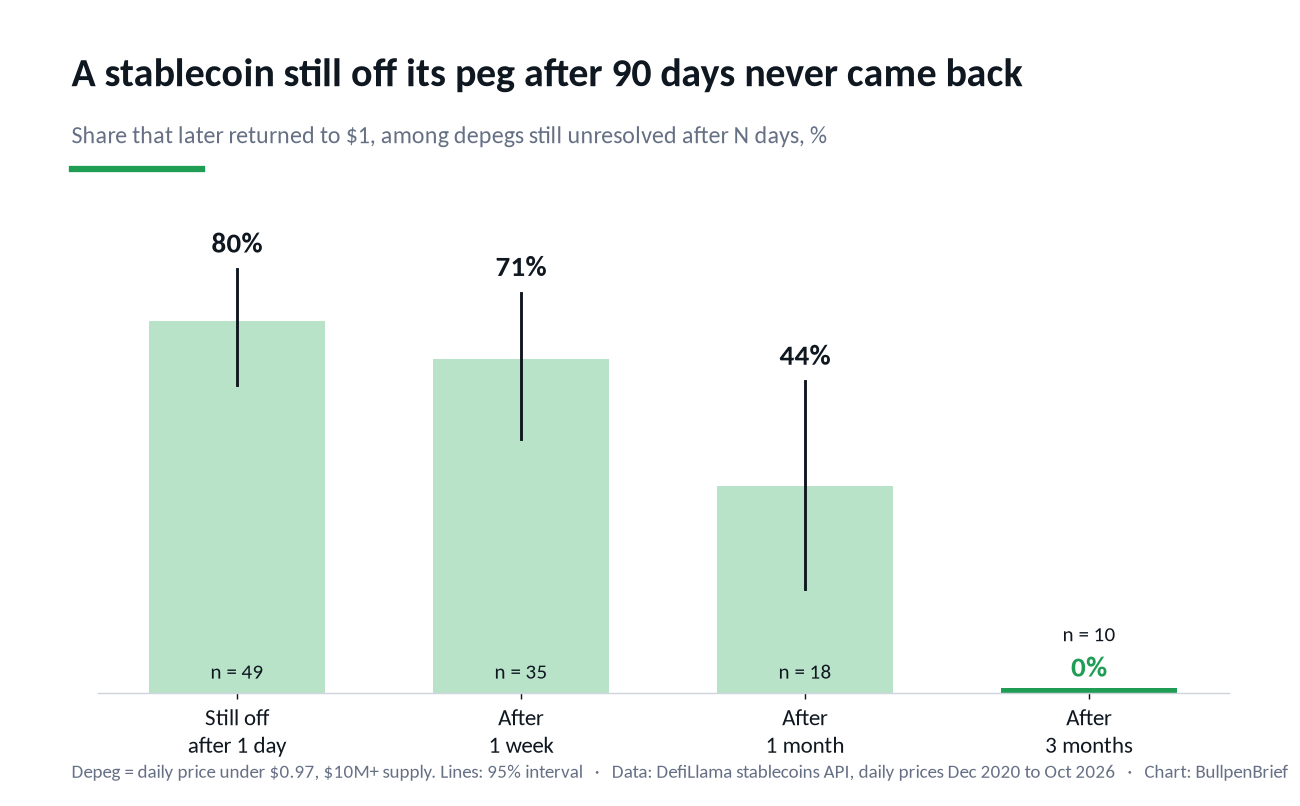
Meanwhile, the stablecoin market cap has shrunk $10 billion since May, but analysts say there’s no panic. That’s consistent with a market that’s consolidating, not collapsing. If anything, the flush might attract dip buyers looking to stack sats at a discount.
What It Means for Your Portfolio
If you’re a retail trader sitting on leveraged longs, this hurts. I get it. But for the average investor, the one who buys spot and holds, this is noise. Bitcoin is still trading within a well-defined range of $60,000 to $70,000 that’s held since March. The 200-day moving average sits near $56,000, providing a solid floor. The macro picture hasn’t deteriorated: rate cuts are still on the table for Q4, inflation is cooling, and institutional adoption (think Bitcoin ETFs) keeps grinding higher.
The real risk isn’t a 3% dip. It’s complacency. The Bitcoin Holds $63,800 as War Panic Hits Gold, Oil, Stocks, But Not Crypto narrative from last week showed crypto’s resilience, but it also lulled traders into a false sense of security. Leverage builds up when nothing moves. Then something moves. And people get wrecked.
“The key metric to watch isn’t the price, it’s the funding rate and open interest,” says Sarah Kline, derivatives strategist at CryptoVest Research. “If funding turns negative and OI drops another 10%, that’s a potential bottom signal. Right now, it’s just a healthy reset.”
“Leverage flushes are a feature, not a bug, in crypto markets. They clear out speculative froth and reset the cost basis.”, Marcus Webb, financial analyst at Webb Capital Advisors
So what happens next? Asian markets will reopen in a few hours, and we’ll see if the dip holds or gets bought. Bitcoin has a habit of bouncing back from these intraday shakedowns, Tuesday’s close will tell us more. If we reclaim $63,500 by New York open, this is just another Tuesday. If we lose $62,000, we might retest the $60,000 support. Either way, the leverage is gone. And that’s actually bullish for the next leg up.
I’ll be watching the order book depth like a hawk. Because in this game, the flush is never the story, it’s what comes after.
Frequently Asked Questions
Is Bitcoin crashing?
No. A 3% dip from $64,200 to $62,800 is a normal intraday fluctuation in crypto. The market is still up over 40% year-to-date. Crashes typically involve 10%+ drops with panic selling, this is a routine leverage flush.
Should I sell my Bitcoin?
That depends on your strategy. If you’re a short-term trader with leveraged positions, reducing risk is prudent. But for long-term holders, these dips have historically been buying opportunities. The macro backdrop (rate cuts, ETF inflows) remains supportive.
What is a leverage flush?
A leverage flush, or long squeeze, occurs when the price drops sharply, triggering the automatic liquidation of leveraged long positions. This creates a cascade effect as more selling forces more liquidations. It’s a common occurrence in crypto markets and tends to reset speculative excess.
See exactly where a leveraged position gets wiped out with our liquidation price calculator.