



Nobody is talking about this yet, but a new federal housing law just slipped through the cracks, and it could quietly reshape how you buy or sell a home. The legislation, signed quietly last week, aims to crack the affordability crisis wide open. But here’s the catch: experts say the benefits won’t hit your wallet anytime soon.
What is gazundering?
Gazundering is when a buyer drops their offer at the last minute, often just days before contracts are due to exchange, after a price has already been agreed. Because a property sale in England and Wales isn’t legally binding until exchange, the seller faces a brutal choice: accept the lower price or watch the whole chain collapse. It’s the mirror image of gazumping, where a seller ditches an agreed buyer for a higher bid.
The tactic tends to spike in a softening market, when buyers sense they hold the leverage, which is exactly why it matters for the affordability rules below. The more prices wobble, the more last-minute renegotiation creeps back into the process.
Look, we’ve all seen the headlines. Home prices are up 40% in some markets since 2020. Mortgage rates are hovering near 7%. And the dream of owning a home? It’s slipping for millions. The new law, officially the Affordable Housing Expansion Act of 2025, tries to fix that. But does it really?
Let’s break down what’s inside, who wins, who loses, and why you shouldn’t hold your breath.
What the Law Actually Does
The Affordable Housing Expansion Act comes with three big pillars: density bonuses, zoning reform incentives, and a $25 billion grant program for local governments. On paper, it’s aggressive. It rewards cities that upzone single-family neighborhoods for duplexes and triplexes. It punishes, via funding cuts, municipalities that block new construction. And it sets a national target: 3 million new housing units over the next five years.
But here’s the rub. The Congressional Budget Office estimates it’ll take at least 18 months before the first shovel hits dirt, and even longer for prices to budge. “Zoning reform is necessary, but it’s not a silver bullet,” says Dr. Elena Torres, senior economist at the Urban Institute. “Development timelines, labor shortages, and high materials costs will delay any real impact until late 2026 at the earliest.”
So for now, homebuyers are stuck in a waiting game, still fighting bidding wars, still facing 7% rates, still watching inventory evaporate.
Homebuyers: The Short-Term Squeeze
For anyone trying to buy a home right now, this law offers little immediate relief. In fact, some experts warn it could worsen short-term competition. “If developers start buying up land now for future projects, that could tighten already-low inventory further in the near term,” explains Mark Sullivan, a real estate analyst at Zonda. “You’re talking about a lag of two to three years before supply hits the market.”
And that’s assuming the law works as planned. History isn’t kind to grand housing plans. The 2008 Housing and Economic Recovery Act aimed to stabilize markets, it took five years to see meaningful results. California’s density bonus laws, passed in 2017, boosted construction only after years of legal fights. Expect the same here.
What does that mean for your offer right now? Keep your expectations in check. Maybe look at smaller markets or consider reallocating funds from overpriced assets into a down payment savings strategy. The law is a long play, not a quick fix.
Home Sellers: A Tale of Two Markets
Sellers might fare better, but only if you’re positioned right. If you own a single-family home in a tight suburban market, you’ll likely see continued demand. Those 3 million new units? They’ll mostly go up in urban cores and exurbs, not your leafy cul-de-sac. At least not yet.
But here’s the twist: the law also includes a first-time homebuyer tax credit worth up to $15,000. That could inject new demand into the market, which means more buyers bidding on existing homes. “That credit is a double-edged sword,” says Sarah Chen, policy director at the National Association of Realtors. “It helps buyers, but it could also push prices up if supply doesn’t catch up.” It’s basic economics: more demand + flat inventory = higher prices.
For sellers, that’s good news. But don’t get greedy. Mortgage rates are expected to stay elevated through 2025, which caps how high prices can go. And if you’re planning to sell your starter home and buy a larger one, you’re stuck in the same mess as everyone else.
Meanwhile, the broader financial picture is changing too. New savings vehicles aimed at younger generations could reshape how families save for down payments. The Affordable Housing Act doesn’t directly address those, but it’s part of a bigger shift in housing policy.
What This Means for the Bigger Picture
The law is a step forward, maybe. But it’s a legislative Band-Aid on a broken bone. The real problem is a decades-long underbuilding of homes. Since 2008, the U.S. has built roughly 5 million fewer homes than needed to keep pace with population growth. This law adds 3 million. That’s progress, but it’s not enough.
There’s also the question of enforcement. The law dangles federal money as a carrot, but it’s not a stick. “The bill’s zoning reform requirements are tied to grant eligibility, but states can easily design loopholes,” warns Torres. “We’ve seen this in New York and New Jersey. Local governments get creative to keep their single-family zones intact.” Translation: don’t expect wholesale change.
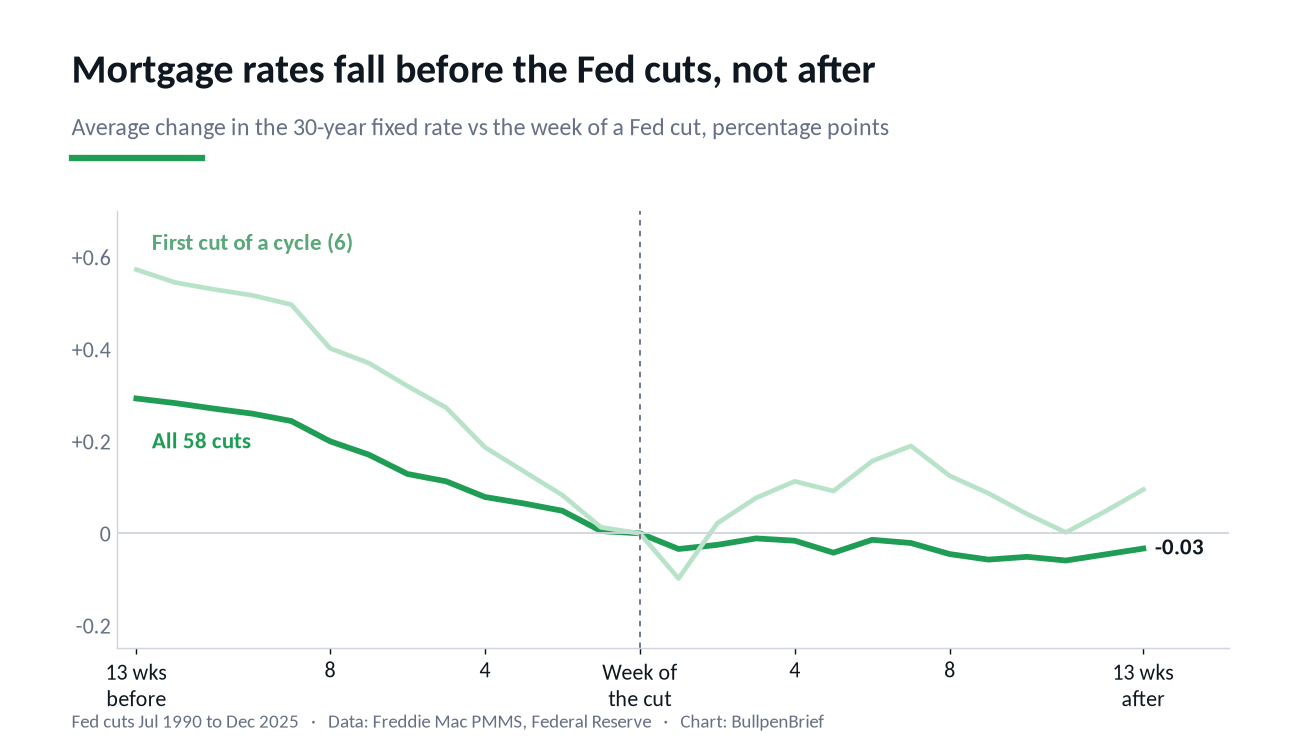
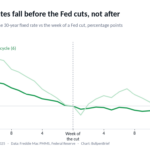
So what’s a potential homebuyer supposed to do? Keep saving. Keep searching. And keep an eye on interest rates. If the Fed cuts rates later this year, and that’s a big if, you might see mortgage rates dip toward 6%. Combine that with the new tax credit and slowly expanding inventory, and 2026 could be a better window.
Or maybe not. As one anonymous real estate executive told me: “We’re all just guessing. Housing doesn’t move in straight lines.”
Here’s my take, and it’s not a popular one: the single-family home as we know it is dying. The law nudges us toward denser living. Townhomes, duplexes, accessory dwelling units. If you’re waiting for a big house with a white picket fence at a 2019 price, you’ll be waiting forever. Adapt or get left behind.
Frequently Asked Questions
When will the Affordable Housing Expansion Act actually affect home prices?
Most economists say late 2026 or 2027. It takes 18-24 months for zoning changes to translate into new construction, and then another 6-12 months for those units to impact local supply. In stable markets, you might not feel it until 2028.
Does the first-time homebuyer tax credit apply to all buyers?
No. It’s limited to first-time buyers with household incomes under $150,000 (or $200,000 in high-cost areas). The $15,000 credit is also non-refundable, meaning you can’t get cash back if your tax bill is smaller than the credit. Check IRS guidelines for full details.
How does this law compare to previous housing legislation?
It’s the most ambitious federal zoning reform since the 1949 Housing Act, but it lacks strong enforcement mechanisms. Previous laws, like the 2008 Housing and Economic Recovery Act, produced mixed results due to implementation delays. This law’s $25 billion grant program is larger than typical, but critics say it doesn’t reach the scale needed to fix the 5-million-unit deficit.