





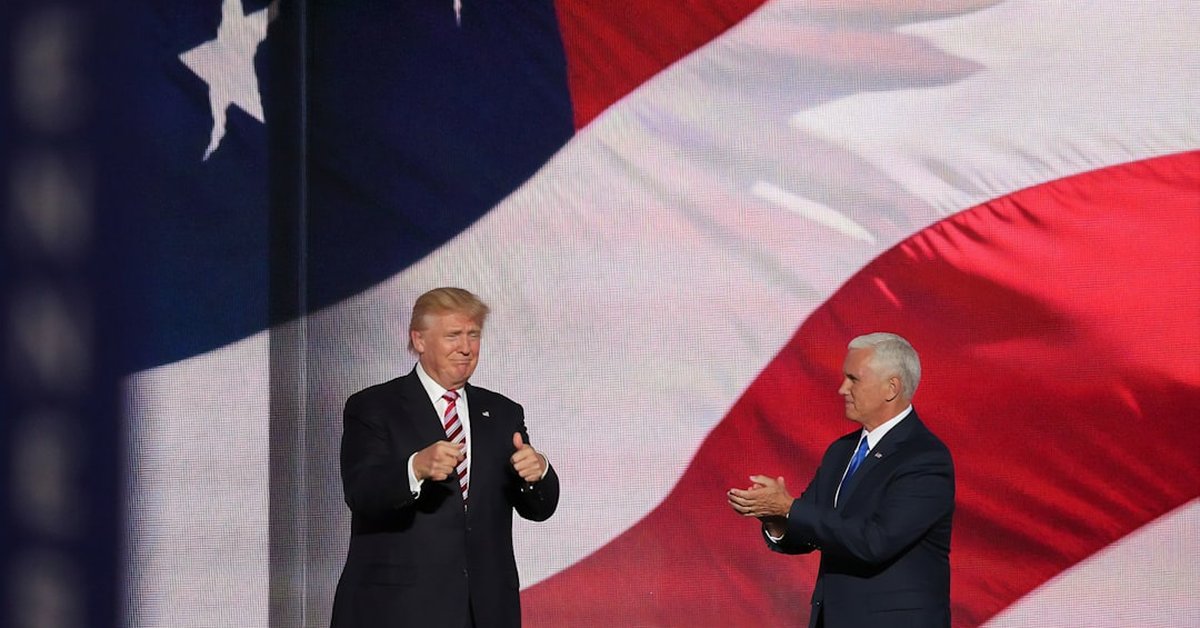
The White House says Donald Trump’s proposed “Trump Accounts” will give every American child a financial stake in the country’s future. Launched last month with a splashy Rose Garden ceremony-$1,000 seeded at birth, invested in low-cost index funds, accessible at age 18-the plan sounds like a dream for the Forbes 400 set’s grandchildren. But for the children who need it most, this program might be more political branding than actual lifeline. Let’s cut through the spin: the math doesn’t add up unless we fix the underlying inequality first.
Trump Accounts-officially called the American Child Investment Accounts-would initially deposit $1,000 per child, with additional contributions for low-income families up to $500 per year. The government would manage the money in a mix of Treasury bonds and equities, aiming for an average 6% annual return. At age 18, the child receives the full balance, tax-free. The administration claims this will “close the wealth gap” and teach financial literacy. But critics wonder: Is $1,000 enough to overcome decades of systemic disadvantage?
The Promise: A Stake in the American Dream
Proponents argue that even modest seed capital can compound into meaningful assets. A $1,000 lump sum growing at 6% annually becomes roughly $3,400 after 18 years-not life-changing, but perhaps enough for a down payment on a used car, a semester of community college tuition, or startup costs for a small business. For low-income families, the government will match savings up to $500 per year, potentially pushing the final balance to $15,000-$20,000.
“Universal asset-building policies have worked in other countries,” says Dr. Laura Hayes, an economist at the Urban Institute. “The UK’s Child Trust Fund gave every baby £250 at birth, and studies show it increased parental engagement with saving and reduced financial anxiety. Trump Accounts could do the same here-if properly funded and paired with financial education.” The administration has already touted the program as a centerpiece of its legacy, claiming it “gives every child, regardless of zip code, a real shot at prosperity.”
But here’s the rub: the fine print caps annual contributions for the wealthiest families at just $200, while low-income families get the full $500 match. The plan also prohibits withdrawals until age 18, meaning no emergency access-a feature that echoes the Trump Accounts Could Help Foster Kids Build a Financial Safety Net article, but critics say it ignores the immediate cash needs of struggling families.
The Skeptics: Why Critics Say It Won’t Work
“This is a Band-Aid on a bullet wound,” argues Robert Chen, director of the Child Poverty Action Group. “The wealth gap isn’t just about missing savings accounts-it’s about unequal access to good schools, stable housing, and healthcare. A few thousand dollars at 18 won’t fix a lifetime of structural disadvantage.” Chen points to research showing that children from the poorest families often use lump-sum payments not for investments but to repay family debt or cover basic necessities, undermining the intended long-term growth.
And the numbers don’t exactly inspire confidence. A 2023 report by the Federal Reserve found that the median net worth of white families ($285,000) is eight times that of Black families ($44,900). Even a perfectly executed Trump Account delivering $20,000 would close only 7% of that gap. “The program would need to be 10 times larger to make a real dent,” says Chen. “And the administration hasn’t proposed a funding source. That’s the elephant in the room.”
The cost? An estimated $40 billion per year, equivalent to roughly 7% of the entire federal education budget. The White House suggests paying for it by redirecting funds from the Earned Income Tax Credit and child tax credit programs-a move that progressives argue would gut existing safety nets for working families. “They’re robbing Peter to pay Peter’s grandchild,” quips Senator Elizabeth Warren (D-MA) in a recent floor speech.
The Investment Question: Risk and Returns
If the money is invested in the market-as proposed-the actual returns depend entirely on timing and fund selection. The plan defaults to a target-date fund that shifts from stocks to bonds as the child ages, which sounds safe. But consider this: a child born in 2008 would have seen the market crash that year, then recover strongly by 2026. A child born in 2022, when stocks fell 20%, might be fine over 18 years, but short-term volatility could still scare families away.
“Index funds are great for long-term growth, but they’re not risk-free,” says Martin Chase, a financial planner at Fidelity who contributed to the government’s feasibility study. “If the market tanks right before the child turns 18, the entire account could lose 30% or more. The government needs to guarantee a minimum principal, or at least offer a capital preservation option.” The current draft doesn’t include such a guarantee-a glaring oversight reminiscent of the The $49.95 Surprise: Fidelity’s New ETF Fee and What It Means for You, where hidden costs eroded returns.
Then there’s the operational mess: who manages the accounts? The Treasury Department? A private contractor? The current proposal leaves that vague, raising concerns about administrative bloat and conflicts of interest. Industry experts estimate that management fees could eat 1-2% of annual returns, costing a typical account $500 over its life.
What It Means for Foster Kids and Vulnerable Families
Children in foster care, who often age out of the system without any financial safety net, are a key demographic for Trump Accounts. Under the proposal, these children would receive the base $1,000 plus an additional $1,000 per year of foster care, potentially accumulating $20,000-$25,000. That could be transformative-if they actually receive it. But paperwork delays, missing birth certificates, and caseworker turnover often prevent eligible children from claiming benefits. A recent audit of similar state-run accounts found that 30% of eligible foster children never received the money.
“The intention is good, but execution is everything,” says Jennifer Lewis, a social worker in Los Angeles. “I’ve seen kids lose track of their accounts because they move every six months. Without a robust tracking system and dedicated counselors, these accounts will just be another bureaucratic failure.” The White House has promised a digital portal and automatic enrollment, but details remain scarce.
Forward-Looking: The Real Test
Ultimately, Trump Accounts will succeed or fail based on three things: funding adequacy, administrative competence, and political will. If Congress approves only half the requested funding-a likely scenario in a divided government-the accounts become token gestures. If the system is clunky and inaccessible, it will widen the gap between tech-savvy families and those without internet access. And if the program isn’t paired with broader anti-poverty measures, it will be a feel-good headline that changes little.
One thing is clear: the concept of universal child trust funds has bipartisan appeal-even Alexandria Ocasio-Cortez proposed a similar “Baby Bonds” plan in 2020. But the devil is in the details. The next year will reveal whether this is a genuine effort to build generational wealth or just another campaign slogan dressed up as policy. For American children, the answer could determine their financial futures for decades to come.
Frequently Asked Questions
How are Trump Accounts funded?
The proposed funding would come from redirecting portions of the Earned Income Tax Credit and child tax credit programs, requiring congressional approval. The estimated annual cost is $40 billion.
Can parents withdraw money early?
No. The funds are locked until the child turns 18, except in cases of disability or death. Critics argue this hurts families who need liquidity for emergencies.
Are there similar programs in other countries?
Yes. The UK ran Child Trust Funds from 2005 to 2011, giving each newborn £250. Studies show modest positive effects on savings behavior but limited impact on overall wealth inequality.