



Nearly 400,000 children are in the U.S. foster care system at any given moment. Most exit with nothing, no savings, no credit history, and often no financial literacy. But a new policy proposal, informally dubbed ‘Trump Accounts,’ could change that. The idea: seed government-backed trust accounts for every foster child, giving them a real shot at building wealth from day one of entering care.
Advocates are cautiously optimistic. They say the accounts could be a game-changer, if the government gets the details right. And that’s a big if.
What Exactly Are Trump Accounts?
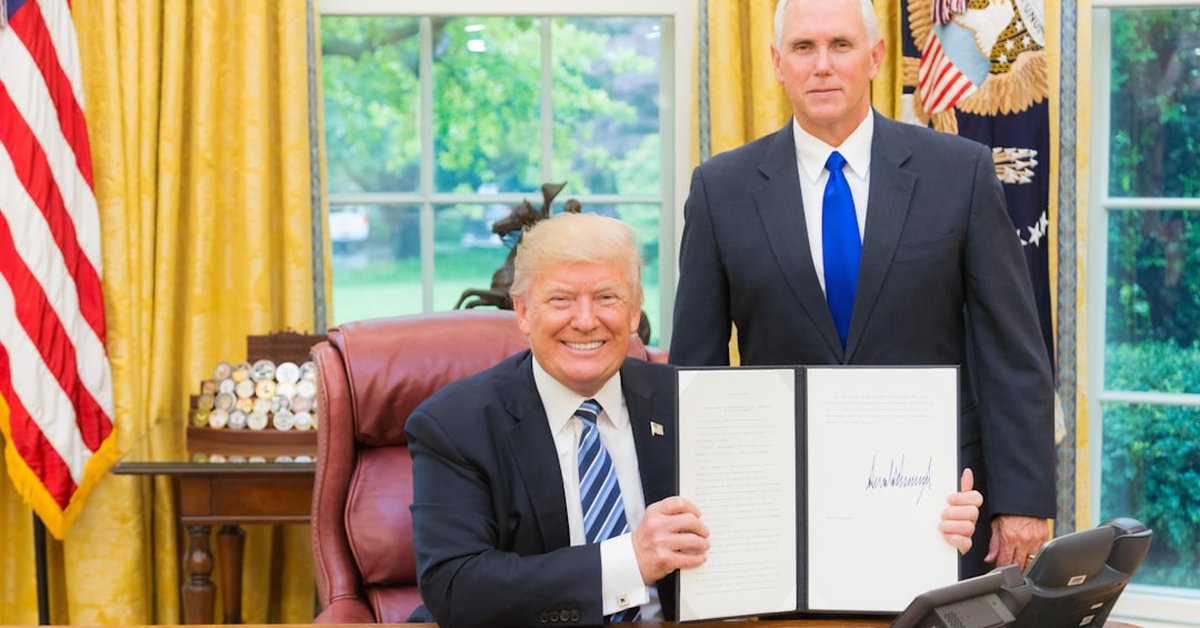
First, the name. It’s not an official term. The ‘Trump Accounts’ label comes from a 2020 executive order signed by then-President Donald Trump, which directed federal agencies to explore ways to create savings accounts for foster youth. The order never fully launched, COVID hit, priorities shifted, but the concept didn’t die. It’s now being revived in state-level pilot programs and federal budget talks.
The structure is straightforward: each child in foster care would get a tax-advantaged trust account, seeded with an initial deposit, think $500 to $1,000, from federal or state funds. Additional contributions could come from private donors, nonprofits, or even the kids themselves once they start working. The money would sit in low-risk investments, growing over time. At age 18 or upon emancipation, the account unlocks.
Sounds simple, right? Not quite.
The real challenge is accessibility. Foster youth move frequently, on average, two to three placements per year. They lose documents. They change caseworkers. They age out without a stable address. If the accounts require in-person verification or paper forms, most will never claim their money.
The Numbers Don’t Lie, Foster Youth Are Financially Vulnerable
Here’s the grim reality: of the roughly 20,000 youth who age out of foster care annually in the U.S., nearly 30% experience homelessness by age 21. Fewer than half graduate high school on time. The median income for former foster youth in their mid-20s is around $15,000, well below the poverty line.
That’s where Trump Accounts could make a dent. A $1,000 seed deposit, invested in a balanced portfolio over 10 years, could grow to roughly $2,500 (assuming 6% annual returns). That won’t buy a house. But it could cover a security deposit on an apartment, a semester of community college textbooks, or a down payment on a used car.
“We’re talking about a modest sum that can break a cycle of poverty,” says Dr. Lila Chen, a child welfare economist at the University of Chicago. “It’s not a silver bullet, but it’s a start, a tangible asset that says ‘you matter.’”
And here’s the kicker: the psychological impact might outweigh the financial one. Studies show that having even a small savings account correlates with higher rates of college enrollment and lower rates of homelessness among vulnerable youth.
Flexibility Is the Make-or-Break Factor
Here’s where the advocates get nervous. If the government locks the money into restricted accounts, say, only usable for education or housing, it could backfire. Foster youth often face immediate, unpredictable needs: a broken phone, a bus ticket to a job interview, emergency dental work.
“Flexibility is everything,” warns Marcus Holt, policy director at the Foster Youth Advocacy Network. “We’ve seen programs fail because they required 50 pages of paperwork to withdraw $200. These kids don’t have time for bureaucracy. They need cash they can access quickly.”
The latest federal proposal reportedly includes provisions for penalty-free withdrawals for housing, education, and healthcare. But critics say that’s still too narrow. They want unrestricted access starting at age 18, with a cap on annual withdrawals to prevent misuse.
Another unresolved issue: financial literacy. Handing a teenager $2,500 with no guidance is a recipe for disaster. Some programs, like the pilot in California, tie the accounts to mandatory financial education workshops. That model seems to work, early data shows participants save more and spend less on impulse purchases.
And then there’s the crypto question. Could these accounts incorporate digital assets? It’s not as far-fetched as it sounds. The Circle Soars After Securing U.S. Trust Bank Approval in Crypto Expansion story shows how stablecoins are gaining mainstream trust. Some advocates argue that offering a stablecoin option could reduce fees and make the accounts more portable. But regulators are skittish, crypto volatility is a hard sell for a program designed for safety nets.
What’s Next? State Pilots and a Federal Push
As of early 2025, at least eight states, including California, New York, and Texas, have introduced bills to create or expand trust accounts for foster youth. The federal government is also exploring a national framework, with potential funding from the Department of Health and Human Services.
The Trump Accounts proposal has bipartisan support, which is rare in today’s climate. Conservatives like the idea of private property and savings. Liberals like the social safety net angle. That doesn’t guarantee passage, budget hawks worry about the upfront cost, estimated at $400 million annually if fully implemented nationwide.
But the momentum is real. A 2024 survey by the Annie E. Casey Foundation found that 78% of foster parents and 65% of caseworkers support the concept. The main sticking points: administrative simplicity and unrestricted access.
“If we overcomplicate this, we’ll waste millions and help no one,” says Holt. “Keep it simple. Put the money in an account. Let the kids use it. Period.”
For now, the window is open. The Market Bubble? NerdWallet Expert Reads the Signs as Stocks and Rates Soar article reminds us that economic uncertainty can shift political priorities. But foster youth can’t wait for the perfect moment. They need a safety net, and Trump Accounts might just be it.
Frequently Asked Questions
How much money would a Trump Account provide?
Initial deposits are expected to range from $500 to $1,000, with potential for additional contributions from donors, nonprofits, or the youth themselves. Over time, investment growth could double or triple that amount by age 18.
Can foster youth withdraw money for any purpose?
Proposals vary. Most plans allow penalty-free withdrawals for housing, education, and healthcare. Some advocates push for unrestricted access at age 18, with a cap on annual withdrawals to prevent misuse.
Are Trump Accounts only for foster children?
Yes, the current proposals target youth in the foster care system. However, some lawmakers have suggested expanding the concept to all children in low-income households, though no concrete legislation exists yet.