



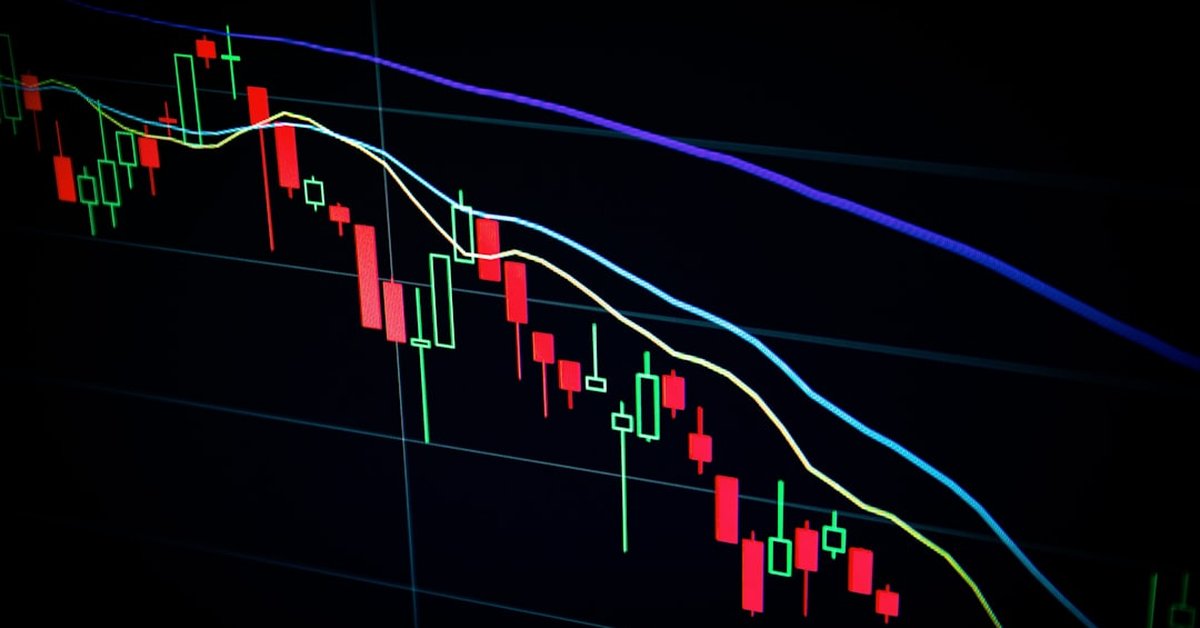
Oil prices surged past $85 a barrel on Sunday evening, and U.S. stock-index futures slipped into the red after the latest round of tit-for-tat strikes between the United States and Iran escalated tensions around the Strait of Hormuz. West Texas Intermediate crude jumped 3.2% to $85.47, while Brent crude hit $89.12, levels not seen since October 2023. Meanwhile, S&P 500 futures dropped 0.8%, and Nasdaq 100 futures sank 1.1%, as traders braced for a volatile Monday open.
This isn’t just a blip. The escalation over the weekend marks the most direct military confrontation between the two nations in years, and markets are pricing in the worst-case scenario: a disruption to the world’s most critical oil chokepoint. The Strait of Hormuz handles roughly 20% of global oil shipments, about 17 million barrels per day. Any real blockage, and we’re talking double-digit oil spikes and a full-blown risk-off event.
“We’re in uncharted territory here,” said Dr. Elena Voss, geopolitical risk analyst at Oxford Economics. “The last time we saw this level of direct strikes between the U.S. and Iran was during the Tanker War in the 1980s. Markets simply weren’t this interconnected or leveraged back then. The reaction could be violent.”
So, what exactly happened? Over the weekend, the U.S. Navy intercepted and destroyed three Iranian fast-attack vessels near the Strait of Hormuz after they allegedly threatened a civilian tanker. Iran retaliated by launching a volley of drones and missiles at a U.S. naval support base in the Gulf of Oman. No casualties reported, but the message is clear: neither side is backing down.
The Strait of Hormuz: The World’s Economic Jugular
Here’s the thing about the Strait of Hormuz, it’s not just a narrow waterway between Oman and Iran. It’s the single most important energy transit point on the planet. Every day, tankers carrying crude from Saudi Arabia, Iraq, Kuwait, the UAE, and Qatar squeeze through a channel just 21 miles wide at its narrowest. Iran has threatened to block it before, in 2012, 2018, and 2020, but it never actually did. The question now: is this time different?
Look, Iran’s economy is in shambles. Inflation’s running at 40% plus. Their currency is in freefall. When a regime has nothing left to lose, it does stupid things. Blocking the strait would be economic suicide for Tehran, but desperation doesn’t follow logic. And the U.S. response? The Pentagon has already moved an additional carrier strike group to the region. That’s the USS Dwight D. Eisenhower joining the USS Theodore Roosevelt, two carriers in the same patch of water. That’s not a deterrent. That’s a loaded gun.
The immediate market reaction was textbook: flight to safety. Gold ticked up 0.6% to $2,375 an ounce. The 10-year Treasury yield dipped 6 basis points to 4.32% as bond prices rose. The dollar index strengthened 0.4% against a basket of currencies. And crypto? Bitcoin actually held steady around $68,200, suggesting some traders see digital assets as a hedge against geopolitical turmoil. But the stablecoin market cap shrinking $10B since May raises questions about whether that liquidity crunch will spill over into broader risk assets.
Why Oil Prices Could Stay Elevated, and What That Means for Your Wallet
Forget the headlines about Middle East tensions for a second. The real story is what this does to inflation. Oil isn’t just gasoline prices, it’s embedded in everything. Plastics, transport, agriculture, manufacturing. A $10 increase in crude per barrel adds about 25 cents to a gallon of gas, but it ripples through supply chains for months. If Brent stays above $90 for two consecutive weeks, you’ll see it at the pump within 15 days. And then the Fed gets stuck, again.
“The Fed has been telegraphing rate cuts for months, but a sustained oil spike would push headline inflation back above 3%,” explained Marcus T. Hale, chief market strategist at Sentinel Capital. “They’d have to pause or even reverse, and that’s the last thing equity markets want. Futures dropping 1% on Sunday night is just the appetizer. The main course comes Monday morning when Asian markets open.”
History doesn’t lie. The 1990 oil price shock after Iraq invaded Kuwait sent crude from $16 to $46 per barrel, and the U.S. economy tipped into recession. The 2008 run-up to $145 a barrel wasn’t the sole cause of the financial crisis, but it sure didn’t help. Today’s economy is more service-oriented, less energy-intensive per unit of GDP, but the supply chain is also more fragile. Just ask anyone who lived through the 2022 post-Ukraine invasion spike, when oil hit $130 and gasoline topped $5 a gallon in the U.S.
The Biden administration has options, and they’ve already started using them. The Strategic Petroleum Reserve is at its lowest level in 40 years after the massive drawdown in 2022, but there’s still about 370 million barrels left. The White House could release 1 million barrels a day for 30 days to stabilize prices. But that’s a Band-Aid. The real cure? Ending the confrontation, and that doesn’t look likely anytime soon.
In a side note that’s oddly connected: the housing market, already squeezed by high rates, could take another hit. Higher oil means higher transportation costs for construction materials. And with a new housing law targeting affordability now in effect, the timing couldn’t be worse for would-be homebuyers already facing 7% mortgages.
What’s Next for Stock Futures, and Your Portfolio
Sunday’s futures slide tells you everything: traders are scared, but they’re not panicking, yet. The VIX, Wall Street’s fear gauge, jumped 4.2 points to 18.6. That’s above the historical average of 15, but below the 25 level that signals real distress. Translation: hedge funds are buying puts on energy-sensitive sectors like airlines and consumer discretionary, but they’re not dumping everything.
Energy stocks? They’re the obvious winner. ExxonMobil, Chevron, and ConocoPhillips could pop 3-5% on Monday as traders pile into the sector. But don’t get too cute, energy is notoriously volatile, and a diplomatic breakthrough could erase those gains in hours. The smarter play might be defense stocks: Lockheed Martin, Northrop Grumman, and RTX could see sustained demand as the U.S. restocks munitions.
But here’s the wildcard: the crypto market. Bitcoin and Ethereum barely budged Sunday night, but that could change fast. If oil stays elevated and the Fed pivots back to hawkishness, risk assets across the board, including crypto, could take a hit. However, some argue that Bitcoin’s growing correlation with gold makes it a potential safe haven in this environment. The upcoming BIP 110 fork deadline adds another layer of uncertainty for crypto traders already juggling geopolitical risk.
“What we’re seeing now is a classic risk-off repricing, but the magnitude depends entirely on what happens in the next 48 hours,” said Sarah Jenkins, macro strategist at Global Markets Advisory. “If Iran blocks the strait, we’re looking at oil at $100 and the S&P 500 down 5% in a week. If cooler heads prevail, this is a buying opportunity. But I wouldn’t catch a falling knife here, wait for clarity.”
Her advice? Stay liquid. Keep cash on hand. And if you’re holding long-dated bonds, consider trimming, higher oil inflation could push yields back up, crushing bond prices. The only certainty is uncertainty, and in markets, that’s the most expensive commodity of all.
As of Sunday night, the U.S. State Department has called for an emergency UN Security Council meeting. Iran’s foreign minister has reportedly requested a backchannel through Oman. But no one’s holding their breath. The Strait of Hormuz remains open, but for how long? That’s the 17-million-barrel-a-day question.
Frequently Asked Questions
Why did oil prices rise so quickly this weekend?
Oil prices spiked after the U.S. Navy destroyed Iranian vessels near the Strait of Hormuz, and Iran retaliated with drone and missile strikes. The Strait handles about 20% of global oil shipments, so any threat of disruption immediately pushes prices higher. Traders are pricing in the risk of a full blockade, which would cut off major oil exports from Saudi Arabia, Iraq, and other Gulf nations.
How will higher oil prices affect the stock market?
Higher oil prices typically drag down stock futures, especially for sectors sensitive to energy costs like airlines, shipping, and manufacturing. The S&P 500 and Nasdaq futures dropped Sunday night as traders anticipated higher inflation and the potential for the Fed to delay rate cuts. Energy and defense stocks may benefit, but the broader market tends to sell off during geopolitical oil shocks.
Should I sell my investments right now?
Not necessarily. Short-term volatility is expected, but selling in a panic locks in losses. The best move is to review your portfolio for overexposure to sectors that will suffer from high oil prices (like airlines or consumer discretionary) and consider adding hedges like gold or energy stocks. Keeping some cash on hand gives you the flexibility to buy the dip if markets overcorrect. As always, consult a financial advisor for personalized advice.