



Most people assume crypto trading is still a wild west of pure speculation, buy low, sell high, pray for a moon shot. But that’s not the full picture. What’s actually happening in 2025 is far more nuanced: a market where seasoned traders are using sophisticated leverage strategies, institutional flows are reshaping liquidity, and geopolitical events are testing crypto’s narrative as a safe haven. It’s quieter than you think. And louder in all the wrong places.
Over the past two weeks, we’ve seen Bitcoin slip below $63,000 as an Asian leverage flush hit, a classic liquidation cascade that wiped out over $400 million in long positions. But here’s the thing: the recovery was swift. Within hours, BTC bounced back above $64,000. That tells you something about the structural depth of this market now. It’s not 2017 anymore. Or even 2021.
The Leverage Trap, and Why Traders Keep Falling for It
Leverage trading in crypto isn’t new, but the sheer size of the derivatives market is staggering. Open interest across Bitcoin and Ether futures currently sits at roughly $38 billion, according to CoinGlass data. The problem? Funding rates have been persistently elevated, a sign that longs are paying a premium to stay in position. And when a minor piece of bad news hits, like a hawkish Fed comment or a flash crash in Asian hours, those positions get vaporized.
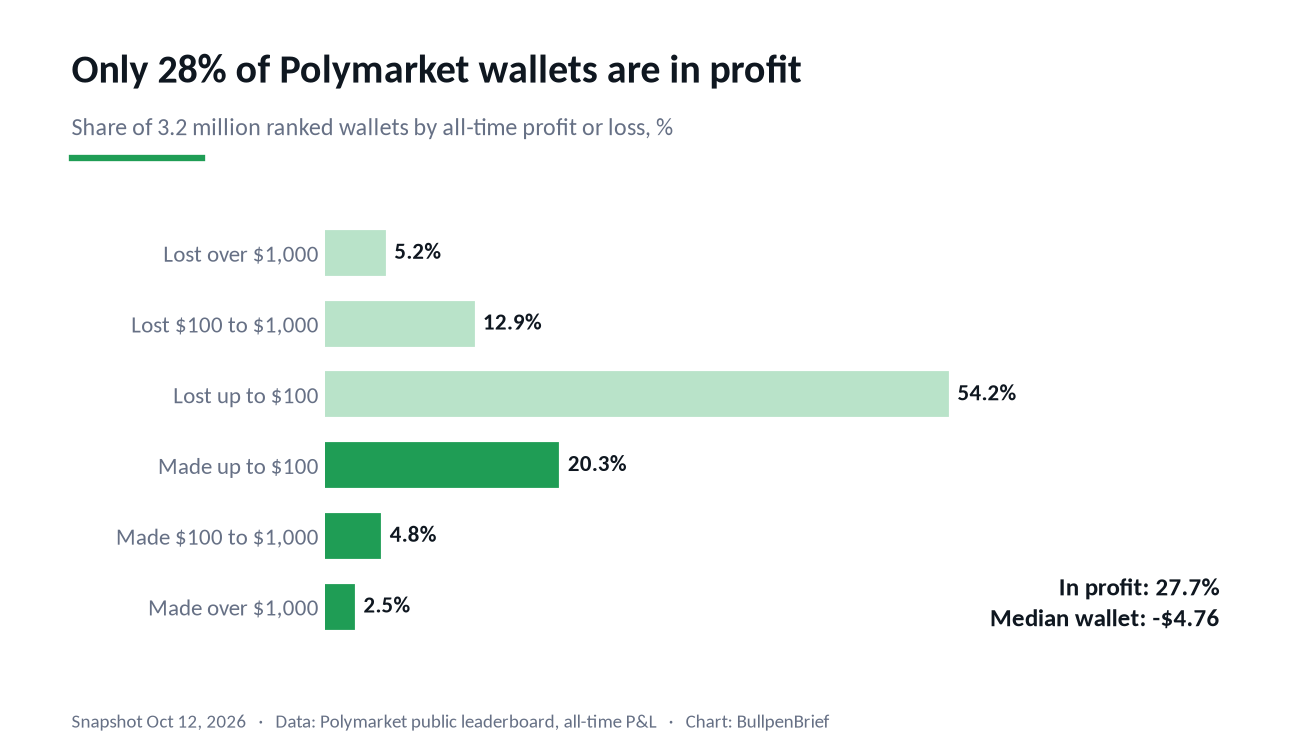
“The retail crowd still thinks 10x leverage is a fast track to riches,” says Jenna Morales, Director of Derivatives Strategy at CryptoQuant. “But the data shows that over 70% of leveraged retail accounts end up losing money within six months. The house always wins, especially when the house is a liquidation engine.”
Look, the math is brutal. A 5% move against a 20x leveraged position means you’re wiped out. And crypto moves 5% in a single hour more often than you’d think. So why do traders keep doing it? Because of the asymmetry fallacy: they see the potential for a 100% gain but ignore the fact that a 10% loss eats their entire margin. It’s like driving without a seatbelt because you’re only going to the corner store. Until you hit a pothole.
War, Gold, and Bitcoin’s Strange New Dance
When the US-Iran tensions flared up earlier this month, traditional markets went into a tailspin. Oil spiked, gold surged to $2,450, and equity futures slumped. But Bitcoin held $63,800, barely budging. That surprised a lot of people. The old crypto narrative was that Bitcoin would trade like a risk-on asset, falling with stocks. Instead, it stayed flat while gold rallied. Is Bitcoin becoming digital gold? Not quite.
What we’re seeing is a decoupling in progress. Institutional investors who bought Bitcoin through ETFs now treat it as a separate allocation, not a pure tech proxy. The spot Bitcoin ETFs (IBIT, FBTC, etc.) have accumulated over $65 billion in AUM since launch. That’s real buy-and-hold demand, not speculative churn. It’s dampening the volatility that used to define crypto trading.
“The war panic was a litmus test,” explains Dr. Amir Hassan, a macro strategist at CoinShares. “Gold moved on safe-haven flows; crypto didn’t join the equities sell-off. That’s a new regime. But it’s early. One data point doesn’t make a trend.”
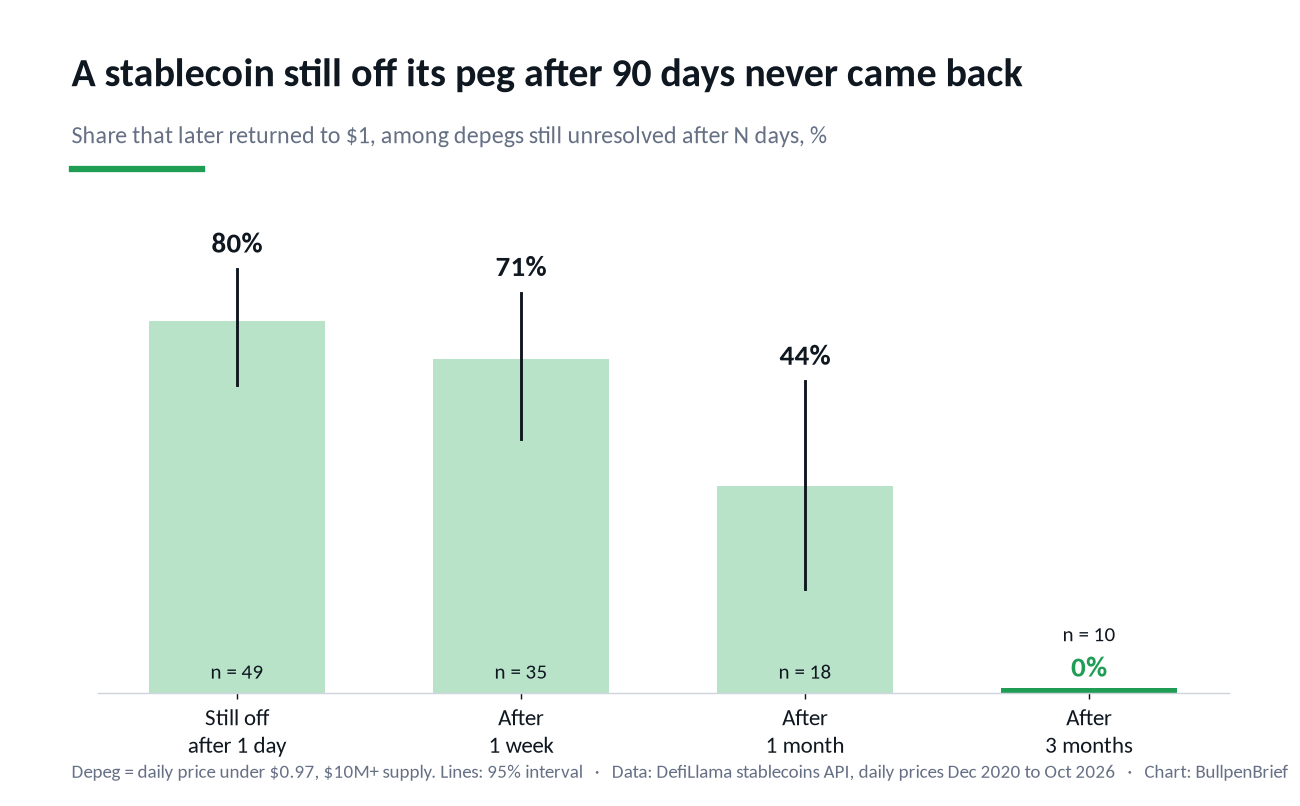
And yet, the stablecoin market tells a different story. Stablecoin market cap has shrunk $10 billion since May, but analysts argue it’s not panic, it’s rotation. Capital is moving from stablecoins into yield-generating protocols and DeFi lending. That’s actually a sign of confidence, not fear. Traders are deploying cash, not hoarding it.
What This Means for the Average Trader
If you’re trading crypto right now, you’re playing a different game than the one you read about in 2021. The days of 100x leverage on obscure altcoins are fading (though they still exist on offshore exchanges). Regulators in the UK, US, and Canada have cracked down on unregistered derivatives platforms. The SEC’s investor alerts keep reminding you that most crypto trading platforms are not registered exchanges.
So what’s the winning play? It’s boring. It’s avoiding stop-loss hunting (a real thing, market makers can see your stops if you’re on centralized order books). It’s using limit orders over market orders. And for heaven’s sake, don’t trade high leverage into news events, that’s where the liquidation algorithms feast. As one veteran trader told me: “The market’s job is to take your money. Don’t help it.”
Another shift: the rise of perpetual swaps has made funding rates a key tool. If you’re long Bitcoin and the funding rate is positive for days, you’re paying a carry cost. That eats into profits even if the price stays flat. Smart traders now look at basis trades or cash-and-carry strategies to arbitrage the gap. It’s not sexy. But it works.
The Road Ahead, More Regulation, More Institutional Flow
Looking forward, the next 12 months will likely bring clearer regulatory frameworks in the EU (MiCA is already live) and possibly in the US after the 2025 election. That will attract more pension funds and endowments into crypto trading. Volatility will likely compress further. Leverage will become more expensive as banks and prime brokers tighten margin requirements. And the retail trader who refuses to adapt? They’ll keep getting liquidated.
But here’s the kicker: crypto trading is becoming more like traditional forex or futures trading. That’s good for stability. It’s bad for the adrenaline junkies. If you’re still chasing 10x moonshots, you’re in the wrong era. The new era is about risk management, tax-efficient rollovers, and understanding that sometimes the best trade is no trade at all. Maybe switch providers while you’re at it? Stop paying the lazy tax, find a platform that doesn’t charge spreads half a percent wide on every trade.
The crypto market of 2025 is not the one you saw on TikTok. It’s slower, smarter, and far more dangerous if you’re not paying attention. But for those who do the work? The opportunity is real. Just don’t expect it to happen overnight.
Frequently Asked Questions
- Is crypto trading too risky for retail investors? The risk depends on leverage and asset choice. Spot trading Bitcoin with a long-term horizon carries less risk than day-trading altcoins with 20x leverage. Most retail losses come from overleveraging. If you avoid margin, you can survive the drawdowns.
- What’s the difference between a perpetual swap and a futures contract? A perpetual swap has no expiry date and uses a funding rate mechanism to keep the contract price close to the spot price. A standard futures contract expires on a set date. Perpetuals are more popular for short-term trading because you don’t have to roll positions.
- Should I use a centralized or decentralized exchange for trading? Centralized exchanges (Binance, Coinbase) offer higher liquidity and lower spreads but require KYC and custody risk. Decentralized exchanges (Uniswap, dYdX) give you self-custody but can have slippage and higher fees. Many traders use both depending on the trade size and need for privacy.
Before using leverage, run the numbers: crypto liquidation price calculator and position size calculator.