








For the average crypto investor watching Bitcoin slide below $60,000, the instinct might be to panic. But beneath the surface, a quiet $273 billion signal suggests the smart money isn’t running for the exits-it’s waiting.
Stablecoins, the dollar-pegged tokens that act as the crypto economy’s reserve currency, have barely budged from exchanges despite Bitcoin’s 15% decline from its March highs. This stubborn hoard of liquidity-largely in Tether (USDT) and USD Coin (USDC)-represents the largest pile of dry powder ever recorded in digital asset markets.
And for everyday investors, this could be the most important number to watch.
When stablecoins leave exchanges, it typically signals that traders are cashing out to fiat or fleeing the market entirely. When they stay-or grow-it suggests investors are parking capital on the sidelines, ready to deploy at the first sign of a turnaround.
“The $273 billion in stablecoins is a vote of confidence in crypto’s long-term trajectory,” says Dr. Emily Zhang, Senior Crypto Analyst at ChainMetrics. “These are not panicked sellers converting to dollars-they are patient buyers waiting for a better entry point.”
The Curious Case of Stablecoin Resilience
To understand why this matters, it helps to think of stablecoins as the cash in a trader’s wallet. When Bitcoin’s price drops, the typical reaction is to sell into stablecoins to preserve value, then eventually convert to fiat and withdraw. But that second step-the conversion to fiat-hasn’t happened at scale.
Data from Glassnode and CoinGecko shows that exchange-held stablecoin balances have remained above $270 billion since early April, even as Bitcoin shed nearly $10,000 in value. The last time such a divergence occurred was in late 2023, just before Bitcoin rallied from $40,000 to $73,000.
This isn’t a small anomaly. It’s a pattern that has preceded every major crypto rally since 2020.
“We call it the ‘dry powder indicator,'” explains Mark Harrison, Managing Director at CryptoQuant. “When stablecoin reserves on exchanges are high and rising during a downtrend, it historically signals accumulation. The market is waiting for a catalyst-not a collapse.”
The sheer size of the stash is staggering. $273 billion is roughly equivalent to the entire market capitalization of Bitcoin in late 2020. It’s enough to buy nearly 4.5 million Bitcoin at current prices-about 23% of the total supply that will ever exist.
Why Are Stablecoins Staying Put?
Three factors explain why this liquidity isn’t fleeing.
First, regulatory clarity is improving. The European Union’s Markets in Crypto-Assets (MiCA) framework took full effect in December 2024, providing a legal foundation for stablecoin issuance. In the U.S., the stablecoin bill (STABLE Act) advanced through committee in early 2025, reducing fears of a sudden ban. Institutional investors, who were once terrified of regulatory whiplash, now see stablecoins as a legitimate bridge to digital assets.
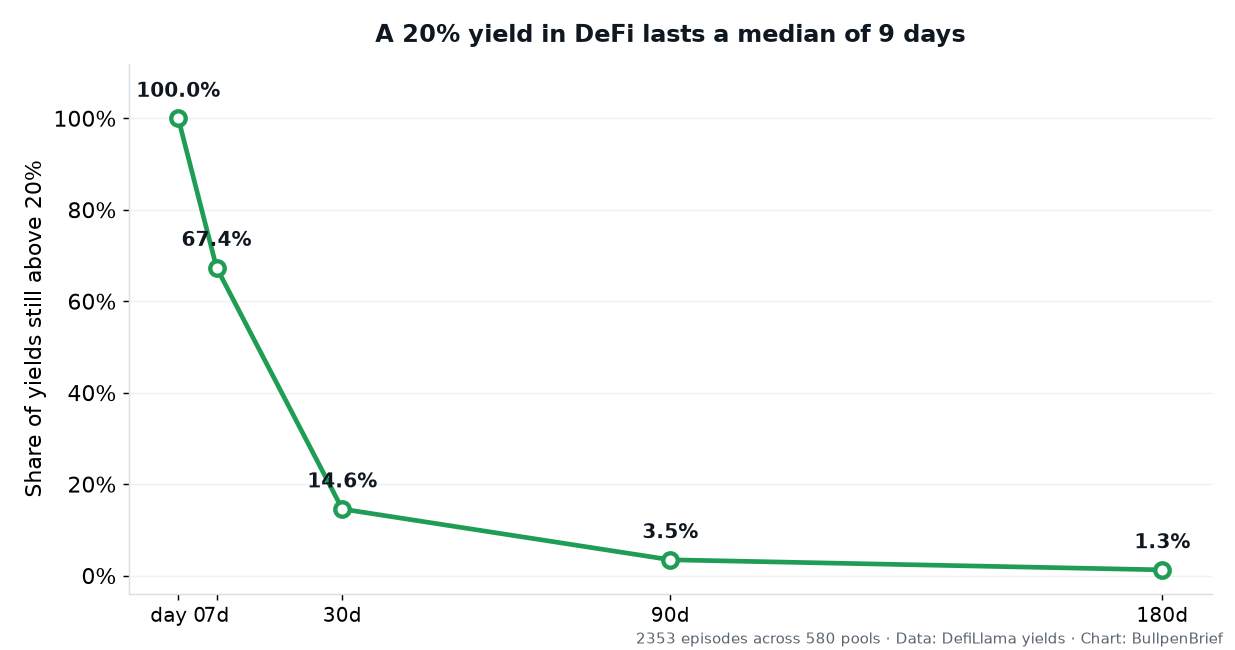
Second, yield opportunities within crypto remain attractive. Decentralized finance (DeFi) protocols are offering 5% to 8% annual yields on stablecoin deposits-far above the 2% to 3% available in traditional money market funds. Why cash out to fiat when you can earn a decent return while waiting for the next Bitcoin rally?
Third, the macro backdrop supports risk-taking. The Federal Reserve’s pivot to rate cuts in late 2024 and early 2025 has weakened the U.S. dollar and reignited appetite for alternative assets. Stablecoin holders are betting that a weaker dollar will eventually drive capital back into Bitcoin as an inflation hedge.
“Stablecoins are the canary in the coal mine for crypto sentiment,” says Dr. Zhang. “The fact that they’re not leaving tells me that sophisticated investors view this dip as temporary. They’re positioning for the next leg up, not the end of the cycle.”
What This Means for Crypto Markets
For the broader market, the implications are twofold.
First, the stablecoin pile acts as a price floor. If Bitcoin were to crash another 20%, those $273 billion would likely be deployed aggressively, buying the dip and limiting downside. This is exactly what happened during the 2022 bear market, when stablecoin reserves surged to $150 billion before fueling the 2023 recovery.
Second, it means the next rally could be explosive. When all that dry powder enters the market at once, it creates a liquidity injection that can send prices soaring. Analysts at Delphi Digital estimate that if just 10% of the stablecoin supply were deployed into Bitcoin, it would push the price above $100,000, assuming no new selling pressure.
But there’s a catch. Stablecoins staying put also means traders are uncertain about the timing of the next move. They’re not selling, but they’re not buying either. This creates a market that is range-bound and choppy-perfect for day traders, frustrating for long-term holders.
“We’re in a waiting game,” says Harrison. “The stablecoins are like a coiled spring. The question is what triggers the release-a new ETF approval, a halving event, or just a shift in macro sentiment.”
The Bottom Line for Investors
For the retail investor watching their portfolio shrink, the stablecoin signal offers a counterintuitive lesson: don’t confuse price action with market conviction.
Bitcoin is falling, but the capital that matters most isn’t leaving. It’s repositioning. And historically, that has been a bullish sign.
That doesn’t mean the pain is over. Short-term volatility could continue, and a further drop to $50,000 or below cannot be ruled out. But the $273 billion stablecoin cushion suggests that the downside is limited and the next upside move could be significant.
For those with a long-term horizon, the message is clear: the smart money is waiting. Maybe you should be too.
Looking ahead, the key catalysts to watch are the Federal Reserve’s June meeting (where another rate cut is expected) and the potential approval of a spot Ethereum ETF in the U.S. If either event materializes, expect that $273 billion to start moving-fast. And when it does, the Bitcoin price chart could look very different.