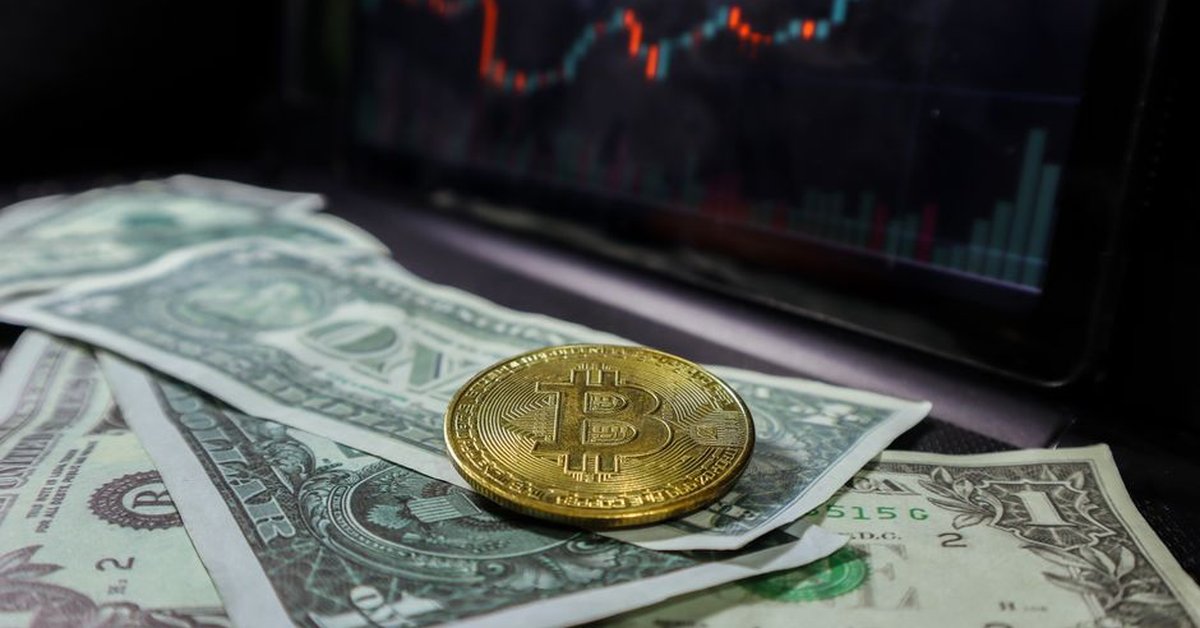









Bitcoin’s sitting at $62,600 this morning, and honestly, it’s a small miracle. The peace trade that helped BTC recover in early July has completely reversed. Trump’s reinstated Hormuz blockade is sending oil prices through the roof, rate-hike bets are back on the table, and now the Consumer Price Index report is looming like a wrecking ball. For everyday investors, the question is simple: How long can Bitcoin hold its ground?
But here’s the thing, it’s not just about Bitcoin. The entire crypto market is being tested by a geopolitical storm that most traders didn’t see coming. And the next 24 hours could determine whether we’re looking at a breakout or a breakdown.
The Hormuz Blockade: Oil Spikes, Risk Sentiment Shifts
On Monday, President Trump reinstated the Strait of Hormuz blockade, effectively cutting off a major chunk of global oil supply. The move sent Brent crude surging past $95 a barrel, its highest level since the 2022 Russia-Ukraine shock. For context, the U.S. Strategic Petroleum Reserve is already at its lowest point in decades, as we reported earlier this week. The supply crunch is real, and it’s feeding into inflation expectations faster than the Fed can blink.
What does that have to do with Bitcoin? Everything. Higher oil prices mean higher energy costs across the board, that’s a direct input into CPI. And when inflation fears heat up, the market starts pricing in more rate hikes. That’s death for risk assets, crypto included. The “peace trade” that had Bitcoin rallying from $56,000 to $64,000 in early July was built on the hope that geopolitical tensions would ease and the Fed would cut rates. That hope is now dead.
“The market is repricing risk in real time,” said Priya Malhotra, macro strategist at Valens Capital. “Oil at $95 is a wake-up call. The Fed can’t ignore it, and crypto can’t escape it. The next move depends on whether the CPI data confirms this trend or offers a reprieve.”
Look, the numbers are stark. The CME FedWatch tool now shows a 45% probability of a 25-basis-point hike in September, up from just 12% a week ago. That’s a massive swing.
Bitcoin’s Resilience Tested: CPI Data the Next Catalyst
So far, Bitcoin’s holding the $62,600 line. That’s not nothing. But it’s also not exactly a vote of confidence, the volume is thin, the order book is shallow, and the market feels like it’s holding its breath. Today’s CPI print, due at 8:30 AM ET, could be the trigger that sends BTC either to $65,000 or back to $59,000.
Economists expect headline CPI to come in at 3.3% year-over-year, up from 3.1% in June. If it’s higher, expect a bloodbath. If it’s lower, well, that could give the bulls a second wind. But the geopolitical backdrop complicates everything. Even if the number is soft, oil prices are still climbing, and that’s a lagging indicator that will show up in future reports.
For traders, this is a high-stakes game. Many are using leverage, and that’s a dangerous cocktail. As we detailed in our guide to crypto trading in 2025, the new rules around margin requirements haven’t eliminated the risk of cascading liquidations. A sudden move in either direction could trigger a chain reaction.
“Bitcoin’s correlation with oil is back to 0.6, which is the highest it’s been in two years,” noted Dr. Samuel Chen, a blockchain economist at the University of Cambridge. “That’s not a safe-haven asset. That’s a risk-on asset that’s getting dragged by energy shocks. The CPI report will either confirm that narrative or break it.”
And let’s not forget the underlying narrative: Bitcoin was supposed to be a hedge against inflation and geopolitical chaos. But right now, it’s acting more like a high-beta tech stock. The classic “digital gold” story is on life support, at least for this cycle.
What This Means for Everyday Investors
For the average retail trader, the guy who bought the dip in June and is now staring at a red portfolio, this is gut-check time. The temptation is to panic sell. But that’s exactly what the market makers want. The key is to understand that this is a macro-driven move, not a crypto-specific failure. If you believe in the long-term thesis, today’s volatility is noise. But if you’re over-leveraged, it could be a disaster.
Swap providers are also feeling the heat. The cost of rolling over futures positions has spiked as funding rates turn negative. That means holding long positions is getting expensive. Some traders are switching to spot and riding it out, but that requires patience most people don’t have.
And let’s be real: the geopolitical situation isn’t going to resolve overnight. The Hormuz blockade is a negotiation tactic, but it’s already ratcheting up tensions with Iran. The risk of a wider conflict is real, and that’s bad for every asset class, except maybe oil and gold. Bitcoin’s been hovering around $62,600, but it’s not immune to a black swan.
The Bigger Picture: Geopolitics, Inflation, and Digital Assets
This isn’t the first time Bitcoin has faced a macro headwind. Remember the Silicon Valley Bank collapse? The China mining ban? Each time, BTC took a hit, recovered, and eventually moved higher. The difference here is that the catalyst is externally driven by geopolitics and oil, not by crypto-specific events. That makes it harder to predict the bottom.
Some analysts are already calling for a retest of $60,000 if CPI comes in hot. Others see a silver lining: if the Fed is forced to cut rates later this year to offset the economic drag from high oil prices, that could be a massive tailwind for Bitcoin. But that’s a second-half-2025 story. For now, it’s all about the data.
In the meantime, the U.S. Treasury market is flashing warning signs. The 10-year yield jumped to 4.45% as investors repriced rate expectations. That’s a headwind for growth stocks and crypto alike. Bitcoin’s fate is tied to the broader risk-on, risk-off pendulum, and right now, the pendulum is swinging toward risk-off.
So what’s the play? Stay nimble. Watch the CPI release. If it’s softer than expected, we could see a relief rally to $64,000 or higher. If it’s hot, don’t be surprised if Bitcoin drops to $59,000 in a matter of minutes. Either way, this is a market that rewards the prepared and punishes the impulsive.
Frequently Asked Questions
Why is Bitcoin holding $62,600 despite the Iran conflict?
Bitcoin is benefiting from some residual optimism that the CPI data will show easing inflation, which would give the Fed room to delay rate hikes. Additionally, there’s a growing belief that geopolitical tensions could accelerate adoption of decentralized assets. However, the market is fragile, and a hot CPI print could break the support.
How does the Hormuz blockade affect cryptocurrency prices?
The blockade drives oil prices higher, which feeds into inflation expectations. Higher inflation leads to tighter monetary policy expectations, which is negative for risk assets like Bitcoin. It also increases energy costs for miners, potentially squeezing margins and reducing selling pressure, but that’s a secondary effect.
Should I buy Bitcoin now or wait for a lower price?
That depends on your risk tolerance. If you’re a long-term holder, $62,600 could be a reasonable entry point, but be prepared for short-term volatility. If you’re trading, waiting for the CPI data to clear is prudent. The market could drop to $59,000 or surge to $65,000 within hours of the release.