


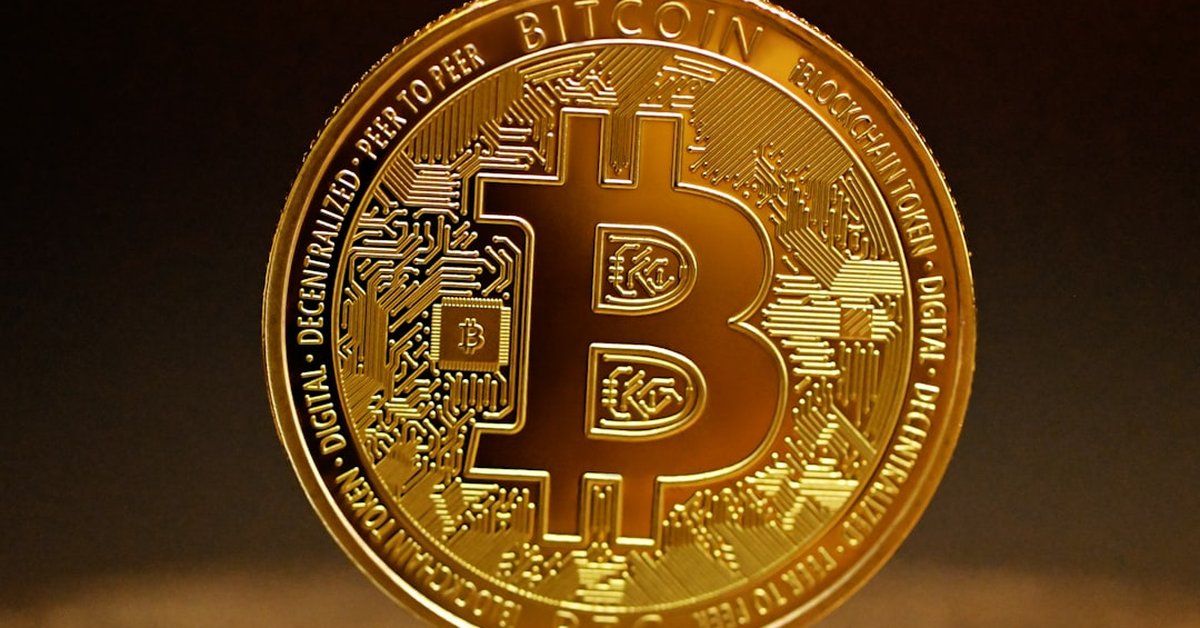
If you’ve paid a Bitcoin transaction fee lately, you’ve felt the pain. The network is clogged with everything from JPEGs to text messages, what many call ‘spam.’ And now a proposed fix, BIP-110, promises to sweep it clean. But Michael Saylor, Bitcoin’s most vocal billionaire backer, says it’s a dangerous mistake.
‘Blocking any data on Bitcoin, even spam, sets a precedent we can’t afford,’ Saylor told BullpenBrief in an exclusive interview. ‘Neutrality is the foundation. Once you start picking and choosing, you’re not Bitcoin anymore.’
The debate erupted after a group of developers published BIP-110 earlier this month. The proposal would temporarily block transactions carrying non-financial data, think NFT inscriptions, metadata, or chat messages, during periods of high network congestion. Proponents argue it would slash fees and free up block space for real monetary transfers.
But Saylor and a growing chorus of critics see something darker: a backdoor to censorship.
The Spam Problem That Won’t Go Away
Bitcoin’s blocks are full, over 90% of block space is used on average, according to data from Clark Moody. A big chunk of that comes from Ordinals, the NFT-like inscriptions that launched in early 2023. At peak, Ordinals accounted for more than 60% of all Bitcoin transactions. The result? Average fees spiked from $1 to over $50 in May 2023, pricing out small users.
‘It’s a real issue,’ says Dr. Alice Chen, a crypto researcher at the Stanford Center for Blockchain Research. ‘But the solution isn’t to break what makes Bitcoin special. The network’s permissionless nature is its killer app.’
BIP-110 aims to be a temporary ‘circuit breaker.’ When the mempool, the queue of unconfirmed transactions, exceeds a certain size, miners would ignore transactions with OP_RETURN data above a threshold. Simple, right? Not so fast.
‘This is a slippery slope,’ warns Mark Thompson, a former Bitcoin Core contributor who left the project in 2022. ‘Today it’s Ordinals. Tomorrow it’s a controversial political message. Who decides what’s spam?’
And that’s the core of Saylor’s argument. He runs MicroStrategy, which holds over 214,000 Bitcoin, roughly $15 billion worth. His stake gives him skin in the game, but he insists this isn’t about his portfolio.
‘I’m not worried about fees. I’m worried about the principle,’ Saylor said. ‘Bitcoin is the first digital commodity that can’t be debased or censored. If we start filtering, we lose the one thing that makes it valuable.’
The Censorship Machine You Can’t Turn Off
Bitcoin’s neutrality isn’t just philosophical, it’s practical. The network processes transactions from anywhere, for anyone, without asking permission. That’s why dissidents in authoritarian regimes use it. That’s why whistleblowers use it. And that’s why, in 2018, Bitcoin was used to fund protests in Venezuela.
‘A transaction is a transaction,’ says Rachel Kim, policy director at Coin Center, a nonprofit focused on crypto policy. ‘If you start labeling some as spam, you’re effectively creating a blacklist. That’s a censorship tool.’
BIP-110’s authors counter that the proposal includes a ‘sunset clause’, it would expire after 12 months unless renewed. They argue it’s a temporary fix to a growing problem, not a permanent change to Bitcoin’s rules.
But critics point to history. In 2017, the SegWit2x debate split the community, nearly causing a chain split. And more recently, the Bitcoin’s Quantum Problem Gets a Recovery Tool showed how even well-intentioned tweaks can have unintended consequences. ‘Once you open the door to protocol-level filtering, you can’t close it,’ says Chen.
What Happens Next, and Why You Should Care
For everyday Bitcoin users, the stakes are immediate. If BIP-110 passes, and that’s a big if, your transaction fees might drop. But you’d also lose the ability to timestamp data on the blockchain, something artists and notaries use regularly. More worryingly, you’d trust a small group of developers to decide what’s legitimate.
And Saylor isn’t alone in his opposition. Fidelity’s Bitcoin ETF Is the Sleeping Giant Waking Up, bringing billions in institutional money. Those institutions value Bitcoin precisely because it’s predictable and neutral. Any hint of censorship could spook them.
‘Institutions don’t want a Bitcoin that changes its rules based on who’s complaining,’ says Thompson. ‘They want a rock.’
The debate will come to a head at the next Bitcoin Core developer conference in March 2025. Miners, who ultimately decide which software to run, hold the real power. So far, major mining pools like Foundry and F2Pool have remained silent.
But Saylor is mobilizing. He’s called for a ‘neutrality pledge’ among developers and miners. ‘We need to declare that Bitcoin will never filter transactions by content,’ he says. ‘Period.’
Whether that pledge gains traction remains to be seen. One thing is certain: the spam problem isn’t going away. And neither is the fight over what Bitcoin should be.
This story was updated with comments from Michael Saylor’s office.
Frequently Asked Questions
What is BIP-110?
BIP-110 is a proposed Bitcoin Improvement Proposal that would temporarily block transactions with non-financial data (like NFT inscriptions) during periods of high network congestion. It’s designed to reduce spam and lower transaction fees, but critics argue it creates a dangerous precedent for censorship.
Why does Michael Saylor oppose it?
Saylor believes that filtering any transaction content undermines Bitcoin’s core principle of neutrality. He argues that once you start deciding what is ‘spam’ versus legitimate data, you open the door to censorship of political messages, dissent, or any unwanted information. He sees it as a slippery slope that could ultimately devalue Bitcoin.
How would BIP-110 affect regular Bitcoin users?
If implemented, regular users might see lower fees during congested periods, but they would lose the ability to include metadata in transactions, used for timestamping documents, creating NFTs, or attaching messages. More broadly, the change could alter Bitcoin’s reputation as a censorship-resistant network, potentially affecting its long-term value and institutional adoption.