








“This is a Hail Mary pass of epic proportions-a convicted fraudster betting on political intervention to rewrite his legal fate.”
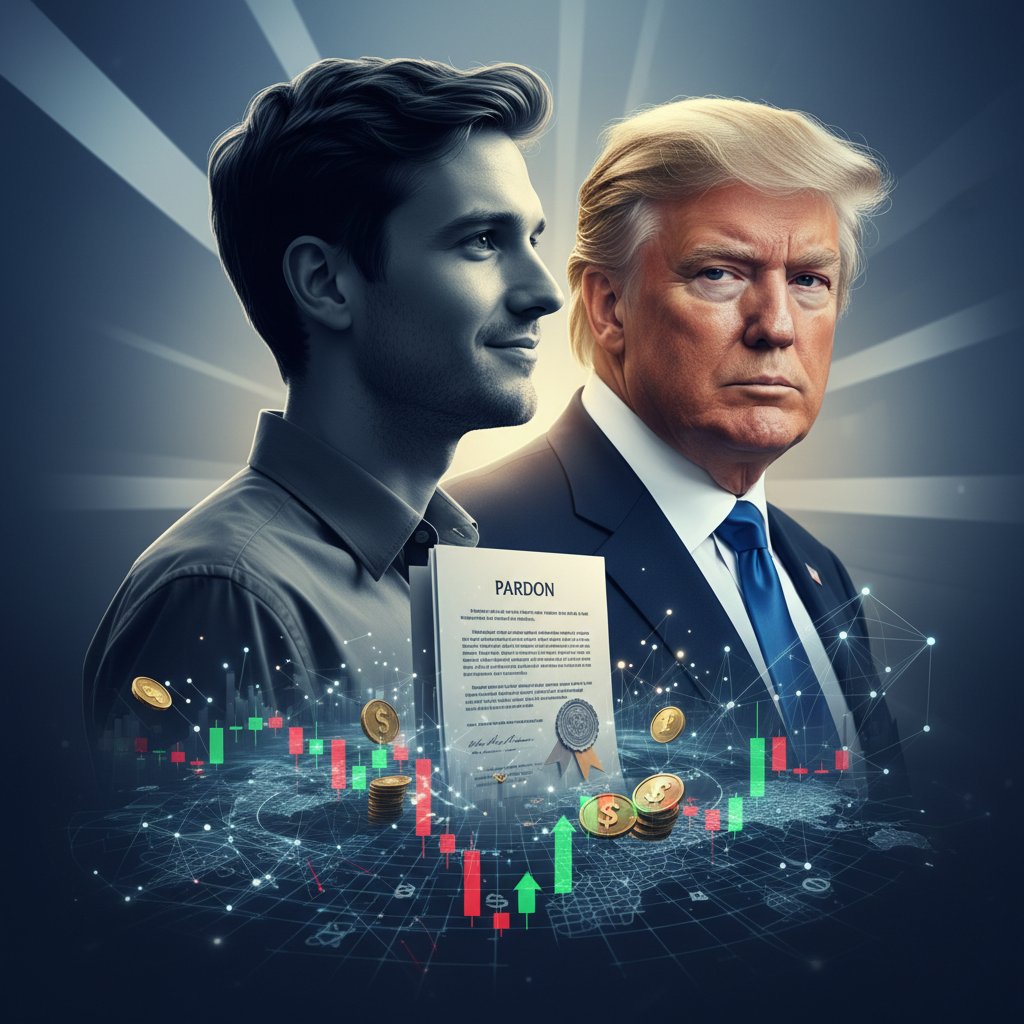
That’s how Dr. Elena Torres, a former SEC enforcement attorney now at Georgetown Law, sums up the latest twist in the Sam Bankman-Fried saga. The disgraced FTX founder, currently serving a 25-year federal sentence for one of the largest financial frauds in history, has formally applied for a presidential pardon from Donald Trump. The news, first reported by Bloomberg on January 14, 2025, has sent shockwaves through both the crypto and legal worlds.
Bankman-Fried, 32, is incarcerated at the Metropolitan Detention Center in Brooklyn, New York. His legal team filed the pardon application earlier this week, citing what they call “disproportionate sentencing” and alleging political bias in the Biden-era prosecution. The move is audacious, given that Bankman-Fried’s crimes-defrauding over a million customers of FTX and Alameda Research-led to losses exceeding $8 billion.
The Pardon Playbook: Legal and Political Calculus
Presidential pardons are rare for high-profile white-collar criminals, but not unprecedented. Trump, during his first term, granted clemency to figures like Steve Bannon and Paul Manafort, raising questions about his criteria. Bankman-Fried’s application leans heavily on the argument that his case was “weaponized” by the Biden administration to score political points against the crypto industry.
“Bankman-Fried’s team is trying to frame this as a political persecution,” says Marcus Webb, BullpenBrief’s own financial analyst. “They’re pointing to the fact that FTX was a major Democratic donor-Bankman-Fried gave over $40 million to Democratic PACs-and claiming the DOJ went after him to make an example. It’s a stretch, but in Trump’s world, that narrative might resonate.”
The application cites Section 2, Article II of the U.S. Constitution, which grants the president “power to grant reprieves and pardons for offenses against the United States.” However, legal experts note that Bankman-Fried’s conviction on seven counts, including wire fraud and money laundering, is not a state crime-making it squarely within federal jurisdiction. Trump could, in theory, issue a full pardon or commute the sentence to time served.
Timing is critical. Trump is expected to make a decision on the pardon before the 2026 midterm elections, according to sources close to the White House. With the crypto industry lobbying heavily for regulatory leniency, a Bankman-Fried pardon could signal a major policy shift.
FTX Fallout and Market Reaction
The crypto market has responded with a mix of disbelief and opportunism. Bitcoin prices dipped 2.3% to $67,400 on the news, while FTX’s native token, FTT, surged 12% on speculation of a potential revival. “The market is pricing in a nonlinear outcome,” says Sarah Chen, head of crypto strategy at Galaxy Digital. “A pardon would not resurrect FTX, but it could restore some confidence in the ecosystem. It’s a gamble.”
Bankman-Fried’s victims, however, are less optimistic. The FTX bankruptcy estate has recovered roughly $7.3 billion in assets, but customers are still owed billions. “This is a slap in the face to everyone who lost their life savings,” says John Harrison, a former FTX customer from Austin, Texas. “A pardon would say that if you’re rich and connected, you can steal and get away with it.”
The case has deeper roots. FTX collapsed in November 2022, triggering a crypto winter that wiped out over $2 trillion in market value. Bankman-Fried was arrested in December 2022 in the Bahamas and extradited to the U.S. His trial in October 2023 lasted just five weeks, with a jury convicting him on all counts. Judge Lewis Kaplan handed down the 25-year sentence in March 2024, calling Bankman-Fried’s testimony “evasive and manipulative.”
“This is not just about one man,” notes Dr. Torres. “It’s about the integrity of the financial system. If Trump grants this pardon, it could undermine decades of precedent in prosecuting financial fraud.”
The Political Tightrope: Trump’s Crypto Courtship
Trump’s relationship with crypto has evolved dramatically. During his 2024 campaign, he vowed to make the U.S. “the crypto capital of the planet” and launched his own NFT collection. His administration has appointed pro-crypto figures to key regulatory posts, including Paul Atkins as SEC chair and Brian Brooks as acting Comptroller of the Currency. A Bankman-Fried pardon would align with this agenda, but it carries political risk.
“Trump is walking a tightrope,” says Webb. “On one hand, he wants to appeal to the crypto crowd-a vocal, cash-rich constituency. On the other, a pardon for a convicted fraudster could alienate moderate voters and give Democrats a cudgel for 2026. It’s a high-stakes bet.”
Polls show mixed sentiment. A Pew Research Center survey from December 2024 found that 62% of Americans oppose pardoning Bankman-Fried, while 22% support it. Among crypto investors, support jumps to 45%. The White House has not commented publicly, but sources say Trump’s legal team is reviewing the application with “serious consideration.”
Bankman-Fried’s family has been lobbying behind the scenes. His parents, both Stanford Law professors, have met with Trump allies and contributed to his legal defense fund. “They’re playing every angle,” says a former FTX executive who spoke on condition of anonymity. “Sam is a genius at manipulation, and he’s using every tool left.”
What This Means for Investors and the Broader Market
For readers in the US, UK, and Canada, the implications are significant. A pardon could trigger a wave of speculative trading in crypto assets, particularly FTX-related tokens. But it also raises red flags for regulators. The Financial Conduct Authority (FCA) in the UK and the Ontario Securities Commission (OSC) in Canada have already tightened crypto rules in response to FTX. A U.S. pardon might embolden other bad actors, critics warn.
“Investors should be cautious,” advises Chen. “A pardon doesn’t fix the underlying issues-fraud, mismanagement, and lack of transparency. If anything, it could create moral hazard, encouraging more risk-taking in the crypto space.”
The broader financial markets are watching closely. The S&P 500 has been volatile this month, with crypto-related stocks like Coinbase and MicroStrategy seeing 5% swings. Bond yields have ticked up on inflation concerns, but the Bankman-Fried news has added a layer of uncertainty.
For Bankman-Fried, the odds are long. Since 1900, only 2% of federal pardon applications have been granted, according to the Department of Justice. High-profile cases like Marc Rich (pardoned by Bill Clinton in 2001) and Michael Milken (commuted by Trump in 2020) show it’s possible, but the political cost is steep.
“This is a binary event,” says Webb. “If Trump says yes, it reshapes the crypto landscape. If he says no, it’s another chapter in Bankman-Fried’s fall from grace. Either way, the markets will react fast.”
The next few weeks will be telling. Trump is expected to announce his decision by February 15, 2025, according to White House insiders. Until then, the crypto world holds its breath-and its bets.