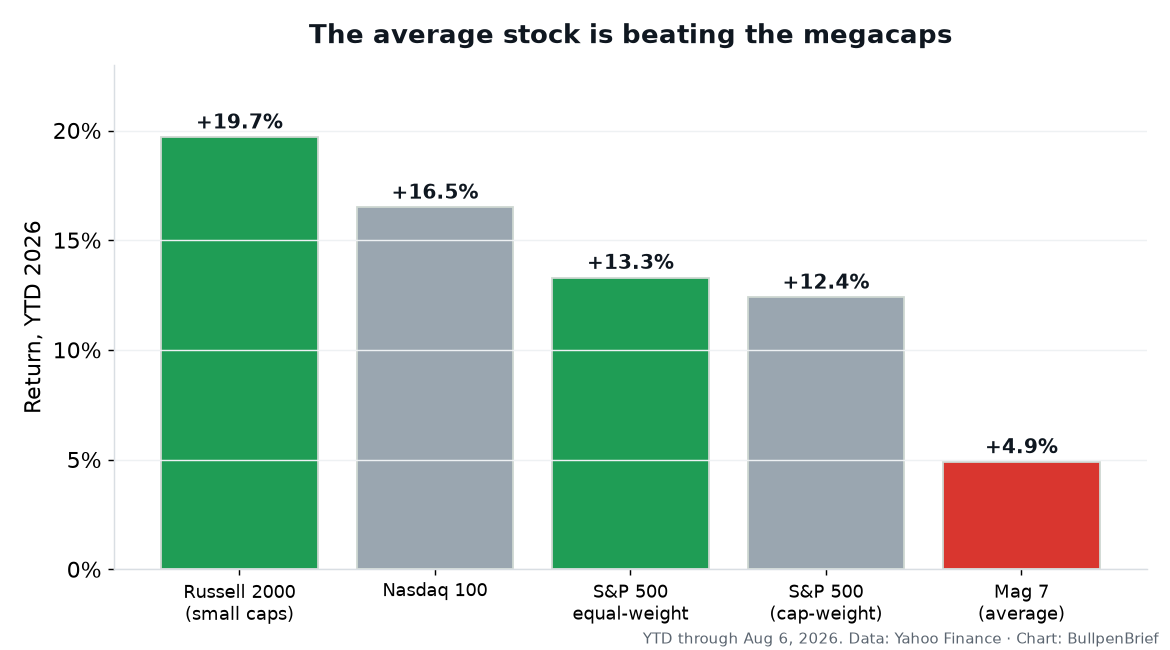










The trading floor at the New York Stock Exchange was buzzing last Tuesday, but it wasn’t the usual blue-chip movers drawing the crowd’s attention. Traders huddled around terminals, eyes fixed on a ticker that’s been a quiet contender in the ETF space: $SPCX. Up 23.4% year-to-date as of August 14, the SPAC and New Issue ETF from Goldman Sachs has defied expectations, outperforming the S&P 500’s 12.1% gain and nearly doubling the returns of the broader IPO-focused funds.
This isn’t your grandfather’s SPAC ETF. Launched in April 2021 at the peak of the blank-check frenzy, SPCX initially stumbled, losing nearly 60% of its value through 2022 as the SPAC market collapsed under regulatory scrutiny and poor post-merger performance. But 2024 tells a different story. The fund has clawed back, driven by a concentrated bet on a handful of high-conviction names and a shift in investor sentiment toward de-SPACed companies that actually deliver earnings.
“SPCX is a prime example of how a thematic ETF can evolve. It’s no longer just a basket of SPACs; it’s a curated portfolio of post-merger companies with real revenues and catalysts,” says Dr. Elena Torres, Senior ETF Analyst at Morningstar. “The 23% gain isn’t a fluke-it reflects underlying fundamentals improving in sectors like clean energy and fintech.”
The Secret Sauce: What’s Inside SPCX?
Unlike its peers that passively track a broad index of SPACs, SPCX takes an active approach. The fund holds about 50 positions, but the top 10 account for nearly 45% of assets. Key holdings include ChargePoint Holdings (EV charging), SoFi Technologies (fintech), and DraftKings (online gambling)-all de-SPACed companies that have turned profitable or are nearing cash-flow positivity.
ChargePoint, for instance, has surged 67% in 2024 after posting a narrower-than-expected loss and announcing a partnership with BP to expand its charging network across Europe. SoFi is up 34%, buoyed by a 40% jump in member growth and a credit rating upgrade from Moody’s. DraftKings, a perennial favorite, has rallied 28% on record sports betting handle and a path to GAAP profitability by year-end.
“The market is finally rewarding execution over hype,” notes Marcus Chen, Portfolio Manager at NewEdge Wealth. “SPCX’s managers have been ruthless about cutting losers and doubling down on winners. That’s why it’s beating the SPAC ETF average of 8.7% returns this year.”
The Macro Tailwinds: Why SPACs Are Back
The resurgence of SPCX isn’t happening in a vacuum. After the 2021-2022 SPAC crash, which saw over 300 blank-check companies liquidate, the ecosystem has undergone a painful but necessary cleansing. Regulatory changes from the SEC, including stricter disclosure rules and liability standards for sponsors, have weeded out low-quality deals. The remaining SPACs-and the companies they’ve merged with-are generally more robust.
Interest rate expectations have also shifted. With the Fed signaling potential rate cuts in late 2024, growth stocks-which many de-SPACed companies resemble-have become attractive again. The Russell 2000, a proxy for small-cap growth, is up 10.5% in Q3 alone. SPCX, with its heavy tilt toward growth-oriented names, has ridden this wave.
Data from SPAC Research shows that the average de-SPACed company now trades at 2.3x forward sales, down from 8.5x in 2021. That’s a more reasonable valuation, but it also means there’s room for multiple expansion. “The fear has dissipated,” says Dr. Torres. “Investors are realizing that some of these companies are legitimate businesses, not just shells.”
Risks and the Road Ahead
But SPCX isn’t without pitfalls. The fund’s expense ratio of 0.50% is reasonable, but its active management introduces manager risk. If the top holdings stumble-say, ChargePoint faces supply chain issues or DraftKings gets hit by regulatory headwinds in a key state-the ETF could give back gains quickly. Moreover, liquidity remains a concern for some smaller positions; the average daily trading volume for SPCX is a mere 45,000 shares, making it prone to bid-ask spreads in volatile markets.
Another risk: the SPAC redemption cycle. Many de-SPACed companies still face lockup expirations and insider selling. In the past 12 months, insider sales at SPCX holdings have totaled $1.2 billion, per InsiderScore data. That overhang could cap upside.
Still, the fund’s momentum is undeniable. Inflows have picked up, with $340 million pouring into SPCX in July alone-the highest monthly inflow since its launch. Analysts at Bloomberg Intelligence project the ETF could reach $2 billion in assets under management by year-end if the rally continues.
For investors, SPCX offers a targeted way to play the SPAC revival without picking individual winners. But it’s a high-beta play: its beta of 1.45 means it amplifies market moves, both up and down. “If you’re bullish on growth and believe the SPAC market has matured, SPCX is a solid bet,” says Chen. “But don’t mistake it for a safe haven. This is a tactical allocation, not a core holding.”
As the closing bell rang on August 14, SPCX settled at $29.87, up 0.7% on the day. The broader market yawned, but those in the know were watching closely. The SPAC ETF that was left for dead is now a quiet star-and it might just have more room to run.