







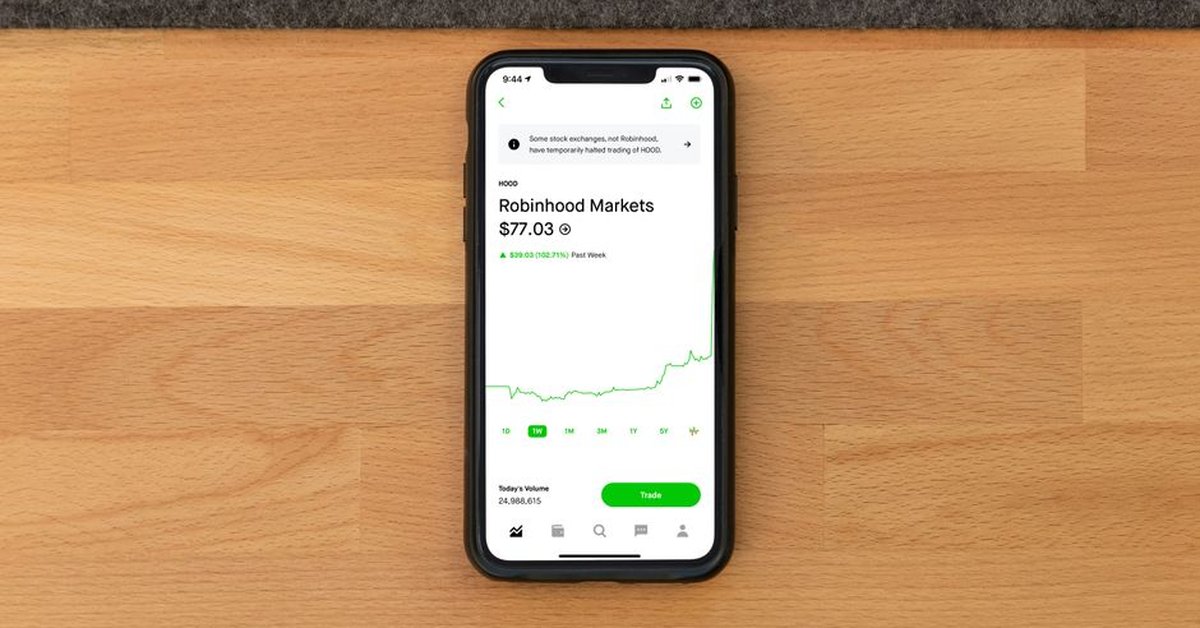
If you’re a crypto trader in the UK, the game just got a little more serious, and a lot more legit. Robinhood’s UK arm landed on the Financial Conduct Authority’s (FCA) register of registered cryptoasset companies on July 31, just weeks before the country’s new, stricter crypto promotion regime kicks in. This isn’t just a rubber stamp; it’s a strategic play that positions Robinhood to scoop up market share when smaller players might be scrambling to comply.
The timing is everything. Starting August 1, the UK’s FCA will enforce new rules requiring all crypto firms marketing to UK consumers to be registered or face serious consequences, think unlimited fines and even prison time for directors. Robinhood, with its deep pockets and compliance-first approach, just cleared that bar. The message is clear: the days of cowboy crypto marketing in the UK are numbered.
So what does this mean for the average trader? More options, fewer scams, and a platform that’s already battle-tested in the US market. Robinhood’s UK entry isn’t just about crypto either, it’s a full-court press into European financial services, with plans to offer stock trading and other products down the line. But for now, the crypto registration is the headline, and it’s a big one.
Why This Matters Now, The New UK Crypto Regime
The FCA’s new regime, formally called the Financial Promotions Order for cryptoassets, is a beast. Starting August 1, any firm that promotes crypto to UK consumers must be either FCA-registered or have their promotions approved by an authorized firm. The FCA has been clear: this isn’t optional. And they’ve got teeth, the regulator has already issued warnings to dozens of unregistered firms and taken enforcement action against several.
Robinhood’s registration means it can legally market its crypto services to UK users without jumping through hoops. For a company that’s been eyeing international expansion since it launched its UK waitlist in 2022, this is the green light. The company’s UK CEO, Jordan Sinclair, called it “a significant milestone” in a statement, and he’s not wrong. The FCA register is notoriously hard to crack; only about 40 firms have made it on since the temporary registration regime ended in 2021.
But here’s the kicker: Robinhood isn’t just registering to check a box. The company has been building out its UK infrastructure for months, hiring compliance staff, setting up local offices, and integrating with UK payment systems. This isn’t a fly-by-night operation; it’s a land grab. And with the new regime about to squeeze out smaller, less compliant players, Robinhood could be one of the biggest beneficiaries.
The Competitive Landscape, Who Gains, Who Loses
Let’s be honest: the UK crypto market has been a bit of a Wild West. Platforms like Binance, Coinbase, and Kraken have all faced regulatory heat from the FCA over the years. Binance was effectively banned from operating in the UK in 2021. Kraken has had run-ins over its derivatives offerings. Even Coinbase, which is registered, has had to navigate a shifting regulatory landscape.
Robinhood’s entry changes the dynamic. It’s a US-listed company with a clean(ish) regulatory record and a massive user base. It’s not coming in as a disruptor; it’s coming in as an established player that happens to have a slick app. For UK traders who’ve been burned by sketchy platforms or frustrated by clunky interfaces, Robinhood offers a familiar, streamlined experience, the same one that helped it onboard millions of users during the GameStop frenzy.
But there’s a catch. Robinhood’s crypto offering in the US has faced criticism over its fee structure, specifically, the way it routes orders to market makers and pockets the spread. The UK arm will likely follow a similar model, and British regulators are watching closely. The FCA has been vocal about its concerns over “payment for order flow” and conflicts of interest. Robinhood will need to prove it can play by UK rules, not just US ones.
And then there’s the broader market context. Bitcoin’s recent price action, hitting $62K while the Coinbase premium sits at a 77-day low, suggests that institutional demand is cooling even as retail interest picks up. Robinhood’s UK launch could inject some fresh retail demand into the market, but it’s not a magic bullet. The macro picture, with interest rates still elevated and regulatory uncertainty in the US, will continue to weigh on sentiment.
The Second-Order Effects, What This Means for You
For UK crypto users, Robinhood’s registration is a double-edged sword. On one hand, you get a regulated, user-friendly platform with a solid track record. On the other, you’re trading some of the anonymity and flexibility that made crypto appealing in the first place. Robinhood will require KYC (know your customer) verification, report transactions to tax authorities, and likely limit certain activities like withdrawals to unhosted wallets.
That’s the trade-off: convenience and safety for privacy and autonomy. And for most retail traders, it’s probably worth it. The days of sending Bitcoin to an anonymous exchange and hoping for the best are fading. The UK is moving toward a regime where regulated platforms are the only game in town for most users. If you’re not on one, you’re either a whale with a private banker or you’re operating in the gray market, and the gray market is getting squeezed.
There’s also a broader signal here for the crypto industry. The UK is positioning itself as a serious hub for digital assets, but on its own terms. The FCA has been methodical, cautious, and at times frustratingly slow. But it’s also been consistent. Firms that engage, comply, and invest in the UK market are being rewarded. Robinhood is the latest example. Others, like ZeroStack, which just warned of survival risk after an $82.5M loss, show what happens when you don’t have that regulatory backbone.
For Robinhood, the UK registration is a beachhead. The company has already hinted at expanding into stock trading, options, and even banking services in the UK. Crypto is the foot in the door. If the UK launches its proposed digital pound or central bank digital currency (CBDC), Robinhood could be the on-ramp for millions of users. That’s a long-term play, but it’s one that starts with a single registration.
What’s Next, The Road Ahead
Robinhood’s UK crypto registration is a big deal, but it’s not the end of the story. The company still needs to launch its full crypto offering, onboard users, and prove it can compete with incumbents like Coinbase and Kraken. The FCA will keep a close eye on its operations, and any misstep could result in sanctions or worse.
But for now, Robinhood has the regulatory high ground. As the new promotion regime kicks off, expect to see a wave of ads, promotions, and marketing blitzes from the company. They’ve got the license, they’ve got the brand, and they’ve got the timing. The only question is whether UK traders are ready to buy in.
My read? They will be. The UK market is hungry for a simple, regulated crypto platform that doesn’t feel like a relic from 2017. Robinhood fits that bill. And with the FCA cracking down on the bad actors, the good ones are going to thrive. This is the beginning of a new chapter for crypto in the UK, and Robinhood just wrote the first page.
Frequently Asked Questions
What does Robinhood’s FCA registration mean for UK crypto users?
It means Robinhood can legally market and offer crypto services to UK residents under the new FCA promotion regime. Users get a regulated platform with consumer protections, but they’ll also face stricter KYC requirements and likely limited anonymity compared to decentralized exchanges.
When will Robinhood’s crypto services be available in the UK?
Robinhood has not announced an exact launch date yet, but the registration is a prerequisite. The company is expected to roll out crypto trading in the UK in the coming months, likely before the end of 2024. Users can join a waitlist on the Robinhood UK website.
How does the new UK crypto promotion regime affect other exchanges?
Starting August 1, any firm promoting crypto to UK consumers must be FCA-registered or have their promotions approved by an authorized firm. Unregistered firms face fines and legal action. This will likely push smaller or less compliant exchanges out of the UK market, leaving room for regulated players like Robinhood, Coinbase, and Kraken to grow.