


Your energy bill just got a lot more expensive. By 13%. And if you don’t send in a meter reading today, you could be paying for energy you never even used. No joke.
Ofgem’s latest price cap kicked in on April 1, lifting the average household dual-fuel bill to £1,849 a year-up from £1,636. That’s a jump of £213. The regulator blames wholesale gas volatility and network costs. But for millions of households still on standard variable tariffs, the math is brutal: it’s the second big increase in six months, and there’s talk of another one in October.
So why the rush for a meter reading? Simple: without one, your supplier estimates your usage. And guess what? Those estimates are almost always higher than what you actually used at the lower rate. You end up paying the new, higher rate on energy you consumed before the price change. That’s revenue protection-for them, not you.
The ‘Guesstimate’ Game: How Suppliers Profit from Your Laziness
Energy companies love estimated bills. They’re a license to print money. If you don’t submit a reading, the supplier uses a formula based on past usage-and somehow that formula always leans toward overestimation. The difference can be tens of pounds per month. Over a year? You’re talking hundreds.
Think of it like this: you buy a coffee every morning for £3.50. Then one day the price jumps to £4.50. But the barista charges you £4.50 for the two coffees you drank yesterday. That’s what not reading your meter does. You’re paying today’s price for yesterday’s consumption.
It’s a plea, really. Consumer groups, energy comparison sites, and even Ofgem itself are shouting from the rooftops: submit your reading. Right now. Today. Because the window between the old price and the new one is fresh-most suppliers accept readings up to a week after the cap change, but the sooner the better.
“Households should be submitting meter readings at least once a month, but especially when the price cap changes. A single reading can save you £40-£60 over the next quarter,” says Emma Pennington, energy analyst at CompareMyBill.co.uk. “The people who miss out are the ones who ignore the reminders. They’re effectively giving their supplier an interest-free loan.”
This isn’t just about the upfront cost. It’s about accuracy. The more people who rely on estimates, the more distorted the data becomes. Suppliers use aggregate consumption figures to negotiate wholesale contracts. If your meter says you used 2,000 kWh but the estimate says 2,400, the supplier buys more gas than needed-and passes the extra cost to you eventually.
Smart Meters Aren’t a Silver Bullet-Yet
You’d think smart meters solve this. They send readings automatically. But here’s the dirty secret: many still don’t work properly. As of March 2025, around 4 million smart meters in the UK are in ‘dumb mode’-meaning they’ve lost the ability to communicate with the network. They’re just fancy digital displays.
And even when they work, some suppliers drag their feet updating the billing systems. You submit a reading, but the next bill still shows an estimate. It’s a mess.
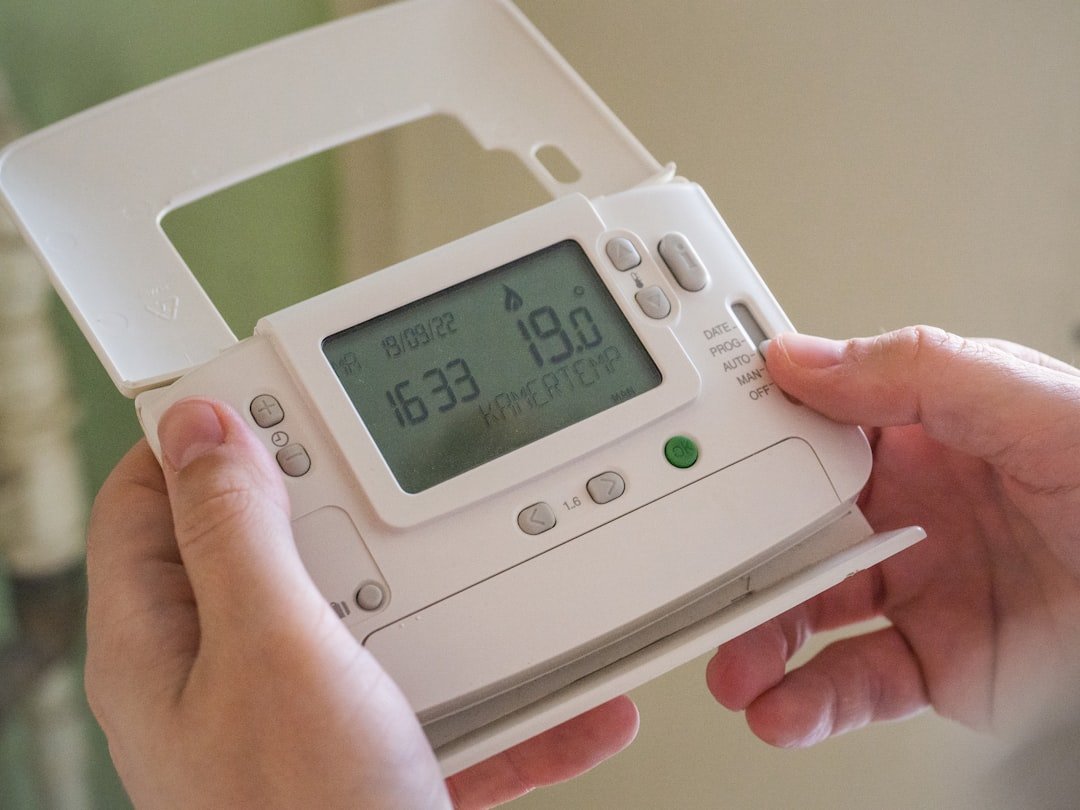
That’s why manual meter reading remains the most reliable way to control your bill. And if you’re still on a traditional meter, there’s no excuse. Grab the torch, head to the cupboard, and read those five dials. Don’t forget to ignore the red ones-they’re just for testing.
Meanwhile, the broader energy market is under pressure. The Australia Sues Amazon Over ‘Unfair’ Prime Contracts, Here’s What It Means for You story shows that regulators globally are cracking down on consumer contract abuse. Energy suppliers should be next-but until then, vigilance pays.
Why This 13% Hike Isn’t the End of the Story
Energy prices in the UK are still 40% above pre-2022 levels. The Ofgem price cap is supposed to protect consumers, but it’s a blunt instrument. It caps the rate, not the total bill. Use more, pay more. And many households have no choice: poor insulation means higher usage. The government’s Great British Insulation Scheme has been slow to roll out, with fewer than 100,000 homes upgraded so far-against a target of 700,000.
Then there’s the geopolitical risk. Wholesale gas prices rose 18% in March after the Russia-Ukraine transit deal expired and LNG competition with Asia intensified. Analysts at Cornwall Insight predict the October cap could rise another 6-8%. That would push the typical bill above £2,000 for the first time since early 2023.
So reading your meter isn’t just a one-off task. It’s a habit you need to build. Set a monthly reminder. Or better yet, link your meter to a smart app that logs readings automatically. Some suppliers offer discounts for online account management-another small win.
“If every household in the UK submitted a meter reading on the day the price cap changes, the collective savings would be in the hundreds of millions. It’s the biggest low-effort money move you can make,” says Dr. Michael Osbourne, economist at the University of Bath’s Energy Policy Institute.
What to Do Right Now
First, find your meter. Gas and electric meters are often together. Write down the numbers exactly as they appear-no rounding. Then go to your supplier’s website or app and submit them.
Second, check if your supplier has a time-of-use tariff. Some offer cheaper rates at night. If you heat your home with storage heaters or charge an EV, switch to that tariff. You could save £150-200 a year.
Third, consider a fixed-rate deal. Fixed tariffs are returning after two years of near-absence. The best fix today is around £1,820 a year-just below the cap. But you lock in for 12 months. If prices fall, you lose out. If they rise, you win. Given the forecasts, a fix now looks sensible.
Fourth, stop ignoring the smart meter’s in-home display. That little screen shows your real-time consumption. Watching it drop when you turn off the kettle is oddly satisfying-and it trains you to use less.
Finally, if you’re struggling to pay, speak to your supplier. They’re legally required to offer payment plans and hardship funds. Don’t wait until the debt collectors knock.
The Bottom Line: It’s Your Money
The 13% price hike is a fact. You can’t change that. But you can control whether your billing is accurate. Meter readings are free. They take five minutes. And they stop you from subsidizing the supplier’s profit margin.
Every quarter the cap changes, millions of people forget. They get hit with overcharges and don’t notice until months later. By then, refunds are hard to claim and the supplier has your money, earning interest on it.
Don’t be that person. Go read your meter. Now.
Frequently Asked Questions
Why do I need to submit a meter reading when the price cap changes?
Without a reading, your supplier will estimate your usage. These estimates often assume you used more energy at the old, lower rate than you actually did. As a result, you end up paying the new higher rate for energy consumed before the change. Submitting a reading ensures your bill reflects actual usage at the correct rates, saving you money.
What if I have a smart meter? Do I still need to submit manual readings?
Ideally, no-your smart meter should send readings automatically. However, many smart meters in the UK have lost connectivity or are not fully integrated with the supplier’s billing system. Check your in-home display or online account. If your last few bills have been estimates, you should submit a manual reading to correct the record.
Can I switch energy suppliers to avoid the price cap increase?
Yes, you can switch. Fixed-rate tariffs are becoming available again after two years of scarcity. Compare deals using Ofgem-accredited comparison sites. A fix around £1,820 a year could hedge against further price rises. However, if you’re on a prepayment meter or owe money, switching may be limited. Always check exit fees and terms before moving.