


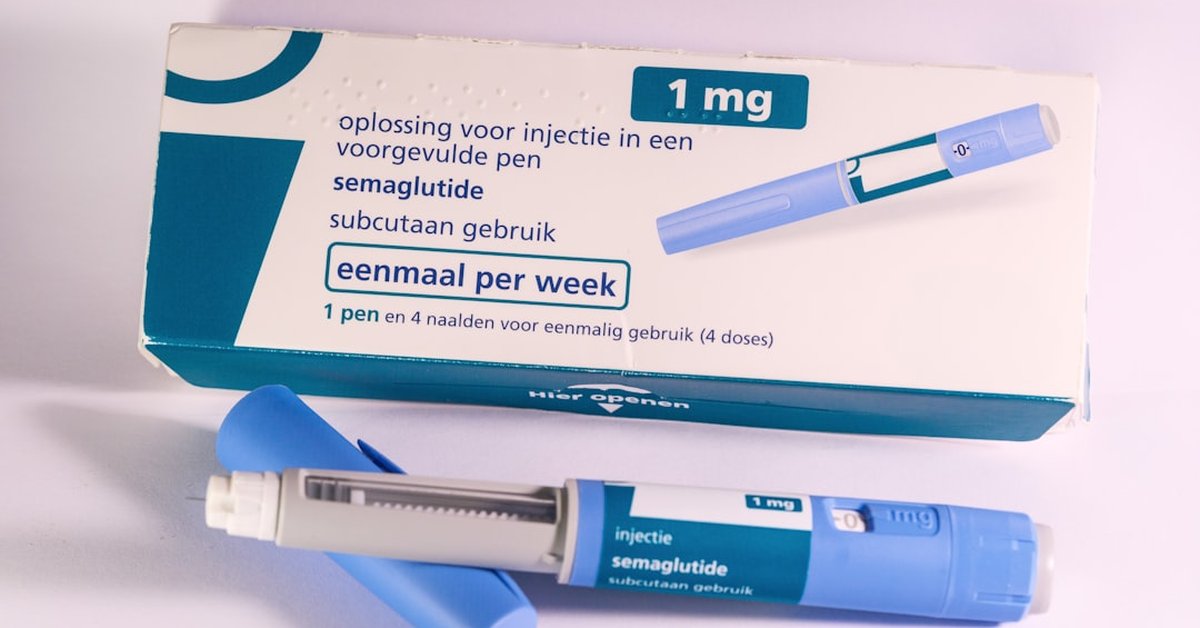
The battle against the bulge just got a new weapon, and it fits in your pocket. As of March 2025, the once-a-day Wegovy weight loss pill is now available for private purchase in UK pharmacies, marking a seismic shift in how millions of Britons can access Novo Nordisk’s blockbuster obesity treatment. This isn’t the injection you’ve seen plastered across headlines; it’s a daily tablet that packs the same active ingredient, semaglutide, into a form that’s easier to swallow, literally. And with obesity rates in the UK hovering near 28% of adults, according to UK government data, the timing couldn’t be more critical.
But here’s the kicker: this pill isn’t cheap. Private prescriptions are expected to run between £150 and £300 per month, putting it out of reach for many. Yet for Novo Nordisk, it’s a calculated bet on convenience. The injectable Wegovy has already generated over $5 billion in global sales in 2024, and the pill version could double that by 2027. So what does this mean for the average punter looking to shed stones? Let’s break it down.
The Pill vs. The Jab: What’s Different?
First, the science. Both the Wegovy injection and the new oral pill rely on semaglutide, a GLP-1 receptor agonist that mimics a hormone to regulate appetite. The injection delivers a weekly dose of up to 2.4 mg, while the pill is taken daily at a lower dose, typically 7 mg or 14 mg, titrated over months. The key difference? Bioavailability. Oral semaglutide has a trickier absorption profile, which is why Novo Nordisk patented a special absorption enhancer called SNAC to get the drug into the bloodstream.
Clinical trials tell a compelling story. In the PIONEER program, patients on the oral version lost an average of 15-18% of their body weight over 68 weeks, versus 15% for the injection. The numbers are close, close enough that some analysts at Goldman Sachs have called the pill a “potential blockbuster” for Novo, which saw its market cap surge past $500 billion in early 2025. But there’s a trade-off: the pill’s once-daily dosing can be a compliance headache. Miss a day, and you’re backsliding. The injection? Set it and forget it for a week.
Dr. Eleanor Hayes, an obesity specialist at King’s College London, puts it bluntly: “The pill removes the needle phobia barrier. We’ve had patients who refused the injection because they can’t stand needles. This opens the door for them.” But she warns: “It’s not a silver bullet. Patients still need dietary changes and exercise. The drug amplifies effort, it doesn’t replace it.”
Cost and Access: Who Can Get It?
Here’s where the rubber meets the road. The NHS currently offers Wegovy injections only to patients with a BMI over 30 (or 27 with weight-related conditions) through specialist weight management services, and wait times can stretch 6-12 months. The pill version, approved by the MHRA in January 2025, is available now for private purchase at high-street pharmacies like Boots, LloydsPharmacy, and Superdrug. But you’ll need a prescription from a private GP or an online consultation, which adds £50-£100 to the upfront cost.
Mark Richards, a 42-year-old accountant from Manchester who started the pill in February, told us: “I spent £250 for the first month’s supply plus a £70 consultation. It’s steep, but I’ve lost 8 kg so far. My grocery bill dropped because I’m not snacking. It almost balances out.” Almost. For context, the average UK household spends £60 per week on food, a 10% reduction in appetite could save £25 monthly, but that’s a far cry from the drug’s cost.
Novo Nordisk has signaled it may seek NHS coverage for the pill by 2026, but that’ll hinge on cost-effectiveness data. The current private market is a cash cow for pharmacies, Boots alone reported a 300% jump in weight-loss consultation inquiries since January. Meanwhile, investors are watching Novo’s stock (NVO) like hawks. The company’s dual play on injectables and oral semaglutide has made it a darling of the biotech sector, similar to how PayPal’s pivot to WeChat Pay opened a massive user base. If Novo cracks the NHS, they’ll have a 1.2 billion-person market, the entire UK population, plus global reach.
The Side Effects You Need to Know
Let’s not sugarcoat it, this drug has a dark side. Common side effects include nausea, vomiting, diarrhea, and constipation, affecting up to 40% of users in early weeks. The oral form may cause less nausea than the injection because of slower absorption, but it’s still a rollercoaster. Rare but serious risks include pancreatitis, gallbladder disease, and a potential link to thyroid C-cell tumors (seen in animal studies but not confirmed in humans). The MHRA requires a black-box warning on the packaging.
Dr. James Patel, a gastroenterologist at St. Mary’s Hospital in London, advises: “Patients need to start at the lowest dose and ramp up slowly. We’ve seen people rush to 14 mg and end up in A&E with severe dehydration. This isn’t a quick fix, it’s a medical treatment.” He recommends tracking electrolytes and drinking 2-3 liters of water daily. And if you’re on other meds? Check for interactions. Oral semaglutide can delay gastric emptying, which might affect how other drugs are absorbed.
For those considering the pill, the NHS weight loss drugs page offers a baseline, but it’s worth noting that the pill isn’t listed there yet. Private clinics like Numan and Manual are already offering it, with online platforms seeing a 500% surge in traffic since the launch.
Market Implications: More Than Just Weight Loss
This isn’t just about shedding pounds, it’s a litmus test for the entire GLP-1 drug class. Novo Nordisk’s market cap has ballooned to $600 billion, making it Europe’s most valuable company. Rivals like Eli Lilly (with Mounjaro) and Pfizer (with danuglipron) are racing to bring their own oral versions to market. The UK’s early adoption of the Wegovy pill could set a precedent for regulatory approvals in the US, Canada, and Australia, all watching closely.
Look, the bull case is obvious: a pill that works, with a massive addressable market. But skeptics point to the high cost and potential side effects as barriers. The real disruption might come from compounding pharmacies that could produce cheaper generic versions, though patent protections extend to 2032 in most markets. Novo’s legal team is already gearing up for fights, much like the marketing blitz around Taylor Swift’s wedding, everyone wants a piece of the action, but only one company holds the rights.
For investors, the play is simple: watch the uptake numbers. If UK private sales hit 100,000 patients in the first six months, expect Novo’s stock to pop 10-15%. If the NHS comes on board, we’re talking a 30% upside. But don’t ignore the risks, a bad side effect profile could trigger regulatory scrutiny and tank the stock.
So what’s the bottom line? The Wegovy pill is a genuine breakthrough for weight loss, but it’s not for everyone, and it’ll cost you. If you’ve got the cash and the willpower, it could be a game-changer. If not, wait for the NHS review or cheaper alternatives. Either way, the obesity treatment landscape just got a whole lot more interesting.
Frequently Asked Questions
Is the Wegovy pill available on the NHS?
Not yet. The pill is only available through private prescription in UK pharmacies as of March 2025. Novo Nordisk has indicated it may apply for NHS coverage by 2026, but no timeline is confirmed.
How much weight can I expect to lose with the pill?
Clinical trials show an average weight loss of 15-18% of body weight over 68 weeks. Individual results vary based on diet, exercise, and adherence. Most patients see 5-10% loss in the first 6 months.
What are the most common side effects?
Nausea, vomiting, diarrhea, and constipation affect up to 40% of users initially. These usually subside within weeks. Serious risks include pancreatitis and gallbladder disease, consult a doctor if symptoms persist.