


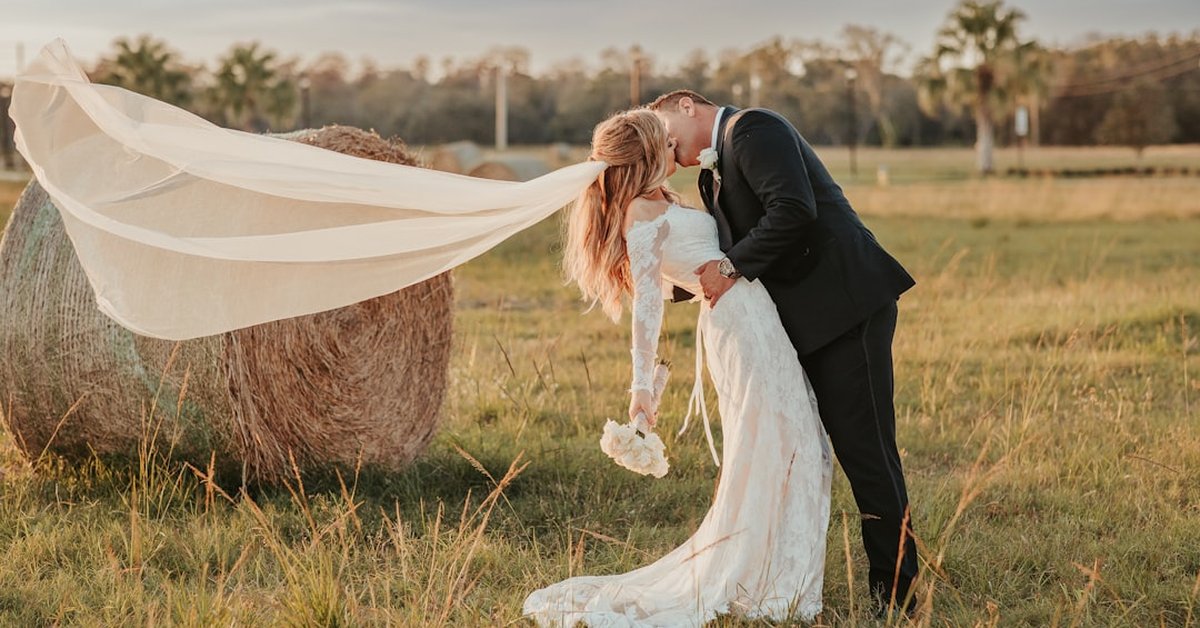
The fairy tale unfolded in a private estate on the Rhode Island coast-white roses, string quartets, and a guest list dripping with A-listers. But within minutes of the first leaked photo, something else exploded: the internet. And not just fans. Brands, from multinational giants to scrappy startups, flooded social media with content timed to the millisecond. Some used AI-generated imagery of Swift in a wedding dress; others ran targeted digital ads the moment the hashtag #SwiftWedding trended. The frenzy wasn’t just about celebrity gossip-it was a full-blown marketing moment, and everyone wanted a piece.
Let’s be clear: Taylor Swift’s wedding wasn’t a public event. Yet the commercial response felt as choreographed as her Eras Tour. Within two hours of the first Instagram post by a guest, over 300 brands had posted something-according to social listening firm Brandwatch. The volume was staggering. And it wasn’t just the usual suspects like Pepsi or Nike. Small businesses-a candle maker in Oregon, a boutique bakery in London-joined the fray, many using AI tools to generate Swift-themed content without licensing a single image.
“The speed of brand response is unprecedented,” says Dr. Emily Carter, a marketing professor at NYU Stern School of Business. “We’ve seen celebrity wedding moments before-the Beckhams, the Kardashians-but nothing on this scale. Taylor Swift is a cultural force that transcends music. Brands saw an opportunity to ride a wave of organic emotion, and they jumped.”
AI-Generated Content: The New Playbook
What made this wedding different from previous celebrity marketing moments was the sheer volume of AI-generated material. Tools like Midjourney and DALL-E allowed brands to create photorealistic-or deliberately whimsical-images of Swift in various wedding scenarios. A fast-food chain posted an image of Swift holding a burger in a bridal gown; a mattress company showed her sleeping on a cloud of pillows. These posts weren’t authorized by Swift’s team, but they didn’t need to be-they were clearly labelled as AI art, skirting legal boundaries while capitalizing on virality.
“The legal grey area is real,” says John Michaels, CEO of digital marketing agency BrandSurge. “But brands are betting that the risk of a cease-and-desist is worth the potential millions of impressions. And because AI content can be produced in minutes, they can jump on trends faster than ever.” Indeed, the average time from wedding photo leak to brand post was just 23 minutes, according to data from Sprout Social. Compare that to the 2011 Royal Wedding, where brands took days to launch campaign ads.
This speed has a cost, though. Some efforts felt tone-deaf. A major airline posted a ChatGPT-written poem about flying to the wedding, and users roasted it as “corporate cringe.” The backlash was swift-pun intended. Yet the brand didn’t delete the post; it pinned it, leaning into the mockery. In the attention economy, even negative engagement is currency.
Digital Ads: Precision Targeting at Scale
Beyond organic social posts, brands also deployed paid digital ads with laser focus. Google Ads and Meta’s platforms saw a spike in bids for keywords like “Taylor Swift wedding dress” and “Swift bridal style.” One jewelry brand ran a retargeting campaign aimed at users who had searched for Swift’s ring size. Another-a travel company-launched a “Swifties Honeymoon Package” ad within an hour of the ceremony news.
“The precision targeting available now is light-years ahead of where we were even two years ago,” says Sarah Lozano, social media strategist at influencer firm TrendWave. “Brands used first-party data from email lists, combined with lookalike audiences built on Swift fan behavior. They knew exactly who to hit, and when.” Lozano notes that the wedding moment also sparked a surge in user-generated content, as fans posted their own AI-generated wedding invitations or dress designs. Smart brands reposted these, turning fans into unpaid ambassadors.
The economic impact is measurable. According to a report from the marketing analytics firm Numerator, brands that posted Swift-related content saw an average 18% lift in social engagement during the wedding week. For small brands, that number jumped to 34%. But there’s a darker side: the frenzy also attracted scammers. Fake merchandise sites popped up, and some brands used deceptive AI-generated images to push low-quality products. The Federal Trade Commission has yet to comment, but consumer watchdogs are raising alarms.
What This Means for the Future of Brand Marketing
The Taylor Swift wedding moment is a case study in how AI and real-time data are rewiring marketing. It’s not just about being fast-it’s about being smart, or at least smart enough to avoid the PR pitfalls. The wedding also highlighted the growing tension between celebrity control and brand creativity. Swift’s legal team has been aggressive in protecting her image, but the sheer volume of AI content makes enforcement nearly impossible.
“This is the new normal,” says Michaels. “Every major cultural event will be instantly monetized by brands using AI. The question is whether consumers will get tired of it, or whether they’ll start tuning out the noise.” Early signals are mixed. While engagement was high, sentiment analysis shows that 42% of comments on brand wedding posts were negative or skeptical, according to a study from social analytics firm Talkwalker. The line between clever marketing and exploitation is thin.
Look, the parallels to other hype-driven phenomena are hard to ignore. Just as nearly a million investors lost $3.8 billion on the Trump memecoin, brands are gambling on attention-and some will lose. The wedding moment may have generated clicks, but long-term brand loyalty isn’t built on AI-generated wedding cakes. The smartest brands, like the ones that partnered with Swift’s actual vendors or charities, kept it authentic. They didn’t need to fake it.
For marketers watching from the sidelines, the lesson is clear: AI tools are powerful, but they amplify whatever strategy you have-good or bad. If your brand has a genuine connection to the cultural moment, lean in. If not, maybe just retweet the bride’s official thank-you post and call it a day.
As for Swift herself? She hasn’t commented on the marketing frenzy. But her team reportedly sent a round of cease-and-desist letters to brands using her likeness in AI ads. The war between celebrity control and brand creativity is only beginning. And the next wedding-be it a royal, a pop star, or a tech billionaire-will be fought even faster.
Frequently Asked Questions
Why did brands jump on Taylor Swift’s wedding so quickly?
Taylor Swift is one of the most influential cultural figures globally, with a fan base that is highly engaged and active on social media. Her wedding generated massive organic buzz, and brands saw an opportunity to capture attention by associating themselves with the event. The use of AI tools allowed them to create content in minutes, making it possible to ride the trend in real time.
How are brands using AI to generate content around celebrity events?
Brands are using generative AI tools like Midjourney and DALL-E to create images, videos, and text that reference celebrities without directly using copyrighted photos. For example, they might generate an AI picture of a celebrity in a wedding dress holding their product. These posts are often labeled as AI-generated to avoid legal issues, though the legality remains a grey area.
What are the risks for brands that overhype a celebrity event?
The main risks include backlash from fans for being tone-deaf, legal action from the celebrity’s team for unauthorized use of likeness, and damage to brand reputation if the content is seen as exploitative. Additionally, brands that rely too heavily on hype without authentic connection may fail to convert short-term attention into long-term customer loyalty.