



In a lawsuit that reads more like a tech thriller than a legal filing, Apple has accused OpenAI of stealing confidential information related to its artificial intelligence chip development, and that, the iPhone maker says, is just “the tip of the iceberg.” The complaint, filed Monday in the Northern District of California, alleges that OpenAI engaged in a “systematic pattern of theft” involving proprietary data, design documents, and internal research. Worse, Apple claims that “misconduct is normalized and exemplified by leadership” at the AI giant.
This isn’t a garden-variety trade secrets case. Apple is effectively arguing that OpenAI’s entire culture tolerates, even encourages, corporate espionage. If proven, it could upend the AI arms race, reshape how Silicon Valley protects its intellectual property, and send shockwaves through the stock prices of both companies.
The Allegations at a Glance
According to the 78-page filing, several former Apple engineers who joined OpenAI allegedly took with them sensitive design plans for Apple’s next-generation AI accelerator chips, known internally as Project Aether. Apple claims these engineers accessed encrypted internal servers weeks before resigning, downloading “thousands of files” that included thermal management schematics, memory bandwidth specs, and early-stage neural engine architecture.
The lawsuit doesn’t stop there. Apple alleges that OpenAI leadership not only knew about the data transfer but “actively encouraged” it through informal bonuses tied to speed-to-market. “The defendants have institutionalized a culture of take-what-you-need,” the complaint reads. “Respect for intellectual property is absent from the highest levels.”
OpenAI, for its part, issued a brief statement calling the claims “baseless and legally insufficient.” But legal experts say Apple’s documentation, including server logs and communication records, could force a discovery phase that exposes internal practices at the ChatGPT maker. “If Apple’s evidence holds up, this is the kind of case that can produce settlements in the hundreds of millions,” said Dr. Samantha Reed, a professor of intellectual property law at Stanford University. “Courts take a dim view of companies that knowingly profit from stolen trade secrets.”
Why Apple Is Calling Out ‘Normalized Misconduct’
Apple’s most explosive claim is that OpenAI’s leadership “exemplifies” the misconduct. The lawsuit points to a 2023 internal memo from OpenAI’s chief scientist, later leaked to the press, in which he joked about “borrowing liberally” from competitors. While the memo was seen at the time as bravado, Apple now presents it as a roadmap of corporate thievery.
“When the CEO says ‘move fast and break things,’ he means break other people’s things,” said James Kowalski, a former deputy director at the U.S. Patent and Trademark Office. “OpenAI has built a reputation for disregarding IP boundaries. Remember the GitHub Copilot controversy? The NYT lawsuit? This is a pattern.”
The stakes are enormous. Just last month, SK Hynix raised $26.5B in a U.S. bond blitz, underscoring the massive capital race in semiconductor and AI infrastructure. Apple’s chip designs are central to its competitive edge, the company spends over $20 billion annually on R&D, much of it on custom silicon. Losing that lead would be existential.
For investors, the timing is brutal. Apple shares dipped 2.4% on the news, while OpenAI’s valuation, currently pegged at $86 billion in secondary markets, faces fresh uncertainty. The lawsuit could also complicate OpenAI’s ongoing talks with SoftBank for a new $40 billion funding round. “Any whiff of legal liability scares off institutional money,” noted Dr. Reed. “OpenAI’s governance has always been messy; this makes it toxic.”
What This Means for the AI Industry and Market Players
The case lands at a moment when the AI industry is both exploding and under scrutiny. Regulators in Brussels and Washington are already probing big tech’s grip on foundational models. Now, a direct lawsuit from the world’s most valuable company threatens to turn competitors into litigants.
If Apple wins, it could set a precedent that forces AI firms to prove their training data and engineering talent came, quite literally, from clean sources. That’s a huge operational burden for startups that rely on poaching top talent. On the other hand, a loss for Apple could embolden rivals to swipe chip designs, accelerating the hardware race.
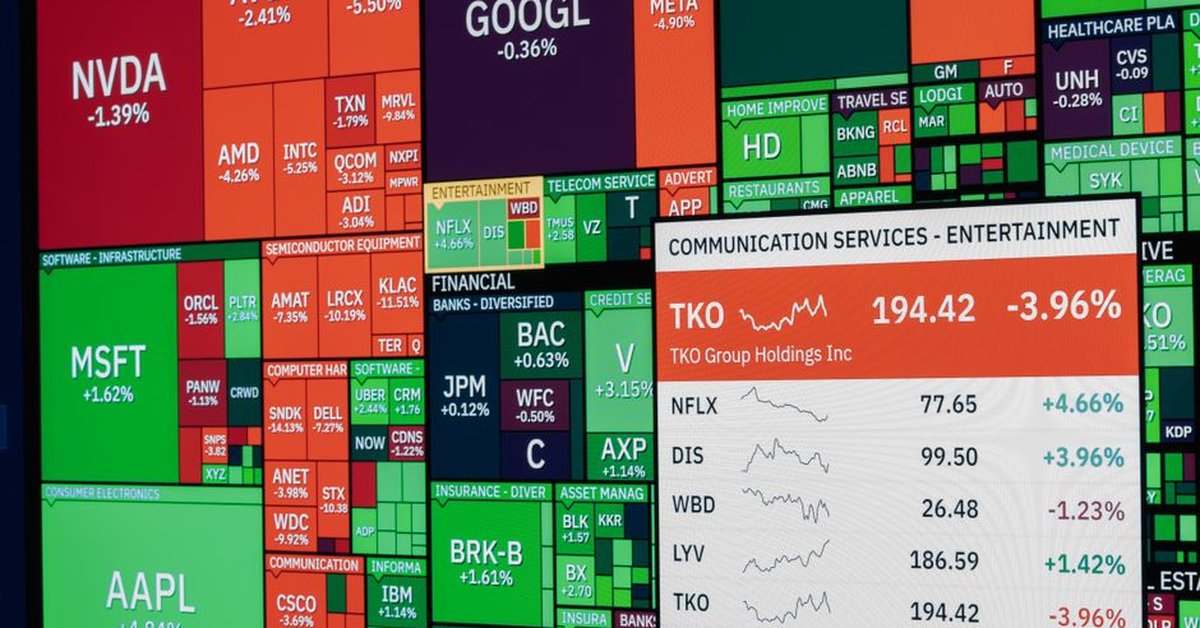
The case also has ripple effects for the broader tech stock market. Apple supplier stocks like TSMC and Qualcomm wavered on Tuesday. Meanwhile, betting markets, yes, Polymarket users are already placing margin wagers on the outcome, show a 65% implied probability of a settlement within 18 months.
But settlement isn’t guaranteed. Apple’s language, “tip of the iceberg”, suggests more revelations could emerge. The company is reportedly cooperating with a separate DOJ investigation into AI trade secret theft. That could turn a civil case into a criminal referral.
The Broader Legal and Regulatory Landscape
This suit isn’t happening in a vacuum. The U.S. Patent and Trademark Office has recently tightened standards for AI-related patents, and the Federal Trade Commission has signaled it will scrutinize non-compete clauses and talent poaching in the AI sector. Apple’s case fits squarely into that push.
“What we’re seeing is a collision between the old guard of IP protection and the new ‘move fast’ ethos of AI,” said Kowalski. “Courts are going to have to decide whether trade secret law can keep up with machine learning.”
For everyday iPhone users, the immediate impact is nil, your phone won’t suddenly lose features. But in the long run, if Apple loses control of its chip roadmap, it could delay future product launches or force higher prices. Conversely, a swift injunction against OpenAI could slow rival AI assistants integrated into Android devices.
The tech world will be watching the case’s first hearing, scheduled for October 14th in San Jose. Until then, expect more leaks, more countersuits, and, likely, more accusations.
Apple has thrown down the gauntlet. The question is whether OpenAI can dodge, settle, or, as its own culture might suggest, find another way to take what it needs.
Frequently Asked Questions
What exactly is Apple accusing OpenAI of?
Apple alleges that former employees stole confidential design files for AI accelerator chips and brought them to OpenAI. The lawsuit claims this was not an isolated incident but part of a pattern of normalized misconduct encouraged by OpenAI’s leadership.
How could this affect OpenAI’s business?
If Apple wins, OpenAI could face hundreds of millions in damages, an injunction barring use of the stolen technology, and difficulty attracting investors. The case may also trigger regulatory probes into OpenAI’s hiring practices and IP compliance.
What should investors watch for?
Key signals include the October 14th hearing date, any settlement announcements, and new funding rounds for OpenAI. Also monitor Apple’s quarterly earnings calls for mentions of legal costs or supply chain changes related to chip security.