



What does it take to stop a stock market in its tracks? For South Korea’s Kospi index, the answer this week has been a brutal tech rout, and not just one, but three separate trading halts. The Kospi’s circuit breaker kicked in again on Thursday morning, freezing all trading for 20 minutes after the benchmark slid more than 8% within minutes of the open. It’s the third time this week, and investors are wondering: is this a correction or the start of something worse?
Let’s rewind a bit. Asia’s stock markets have been getting hammered since Monday, led by a massive sell-off in technology shares. The trigger? A growing wave of doubt about the profitability of artificial intelligence. Big names from Tokyo to Taipei are bleeding value, SoftBank Group lost 12% in two sessions, and Taiwan Semiconductor Manufacturing Co. (TSMC) dropped nearly 9% on Wednesday. Then South Korea, home to memory-chip giants like Samsung and SK Hynix, got caught in the crossfire.
The Kospi index dropped 7.2% on Monday, then fell another 9.3% on Tuesday. By Wednesday, regulators had already triggered the circuit breaker twice. Thursday’s halt, the third, came after the index opened down 8.4%. The Korean Exchange said in a statement that the trading halt was “necessary to stabilize the market and allow for a cooling-off period.”
Why Tech Is Getting Crushed
The root cause is a shift in sentiment around AI spending. For months, investors piled into chipmakers and AI infrastructure plays, pushing valuations to nosebleed levels. But this week, several major reports suggested that the massive capital expenditures by cloud providers, Microsoft, Google, Amazon, won’t deliver the returns expected as quickly as thought. Analysts at Morgan Stanley cut their price targets for Samsung Electronics and SK Hynix by 15% and 20% respectively, citing “oversupply risk in memory chips and lower probability of near-term AI breakthroughs.”
“We’ve been in a full-blown AI euphoria since last year, but the market is now pricing in the reality that AI profitability is still years away. That’s causing a brutal re-rating across the sector.”, Dr. Mei-Ling Huang, Senior Equity Strategist at BNP Paribas Asia Pacific
This isn’t an isolated Korea problem. The broader Asia stocks sink as AI spending doubts slam tech narrative is playing out from Japan to Taiwan to China. The Nikkei 225 fell 4.8% on Wednesday, its worst single-day drop since September 2024. Hong Kong’s Hang Seng Index slid 3.2%, dragged down by Tencent and Alibaba. The selling is broad, deep, and, for now, relentless.
Circuit Breakers and Panic Selling
South Korea’s circuit breaker system is designed to kick in when the Kospi falls more than 8% from the previous day’s close within a single session. It triggers a 20-minute halt, after which trading resumes. The move is meant to give traders time to think, to stop panic selling from spiraling. But when it happens three times in one week, it raises serious questions about market stability.
The last time South Korea saw such frequent halts was during the 2020 COVID crash. Even then, it only happened twice in a row. “This is unprecedented in the post-pandemic era,” said Kwon Hyuk-jin, Head of Equity Derivatives at Shinhan Investment Corp. “Retail investors are running for the exits. We’re seeing margin calls being triggered across the board. It’s a liquidity crunch in disguise.”
Data from the Korea Exchange shows that foreign investors have pulled $4.2 billion out of Seoul-listed stocks in the past four sessions, the fastest exodus since March 2020. The Korean won has also weakened, falling 1.6% against the dollar on Thursday alone, adding to the pain for importers and multinational firms.
What This Means for Global Markets
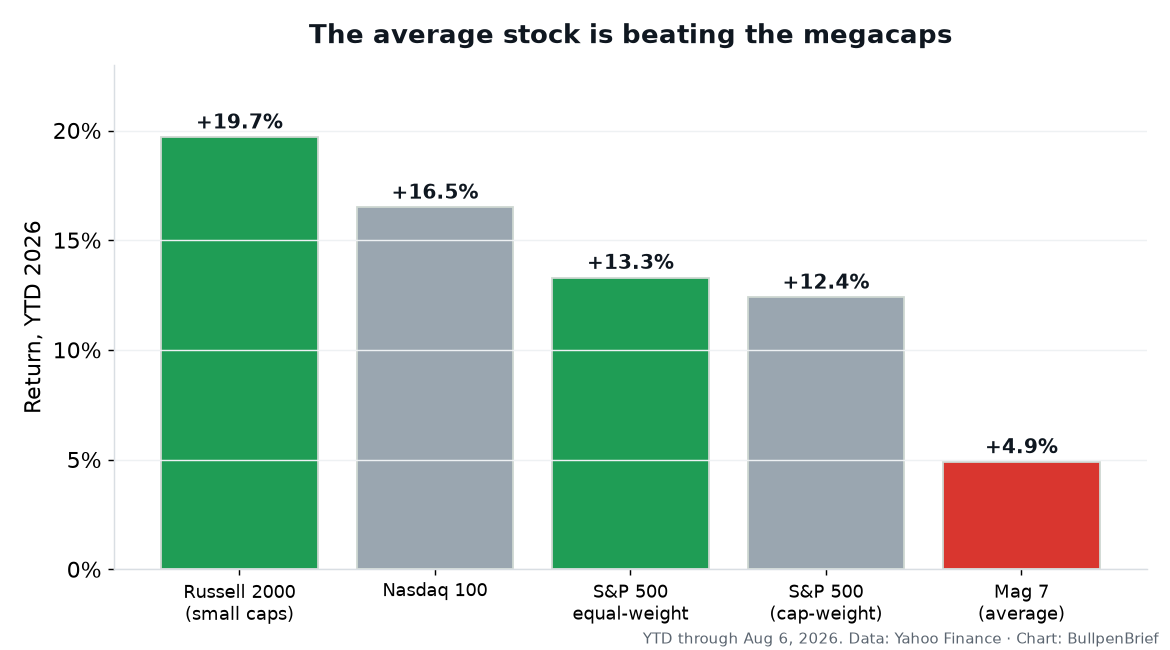
Asia’s tech rout is rippling into European and American pre-market futures. S&P 500 futures fell 1.3% in early Asian afternoon trading, and the tech-heavy Nasdaq 100 futures were down 2.1%. If the sell-off continues, it could reset the global risk appetite, especially for growth stocks.
And here’s where the Apple Hikes Prices Nearly 20% as Xbox Jacks Up Console Costs, Welcome to the New Inflation Reality story adds another layer. Consumers are already seeing higher prices on gadgets and electronics, partly due to rising component costs. If chipmakers like Samsung and SK Hynix get hammered further, those price hikes could accelerate, or worse, production could be cut back, creating a vicious cycle.
Not everyone is panicking, though. Some market veterans see opportunity. “The AI theme is not dead, it’s just taking a breather,” said Rohan Gupta, Chief Investment Officer at Singapore-based Aurora Capital. “We’re using this pullback to add to our positions in quality chip names. The long-term thesis hasn’t changed, but the market needed to shake out the weak hands.”
Gupta may be right, but for now, the selling pressure shows no sign of easing. The Kospi index is down 18% from its all-time high hit in January. That’s technically a bear market. And with circuit breakers being triggered three times in a week, volatility is off the charts.
Looking Ahead: More Pain or a Recovery?
The key question for the rest of the week, and beyond, is whether this is a sharp correction within an ongoing bull market or the start of a deeper downturn. Much depends on what happens in the US session later today. If the Nasdaq opens sharply lower, Asian markets could see another round of panic on Friday.
South Korea’s financial authorities have held emergency meetings, but so far they’ve stopped short of any direct intervention beyond the circuit breakers. Some analysts expect the Bank of Korea to announce temporary measures, like expanding collateral for margin loans or even a rate cut. But with inflation still above target, that’s a tough call.
One thing is certain: the era of easy AI money is over for now. Investors who rode the Nvidia-TSMC-Samsung wave are taking profits, or losses, and recalibrating. The question is whether the tech complex can find a bottom before the damage spreads to other sectors. For now, traders are watching the Kospi circuit breaker thresholds like hawks. If it lights up a fourth time, all bets are off.
Frequently Asked Questions
What is a circuit breaker in stock trading?
A circuit breaker is a mechanism that temporarily halts trading on an exchange when a major index falls by a certain percentage. In South Korea, the Kospi triggers a 20-minute halt if it drops 8% or more from the previous close. It’s designed to prevent panic selling and give traders time to assess the situation.
Why did South Korea’s Kospi halt three times this week?
The Kospi halted three times because of a severe sell-off in technology stocks, driven by growing doubts about AI profitability and oversupply in the memory-chip sector. The index fell more than 8% on three separate sessions, triggering the circuit breaker each time. It’s the first time such frequent halts have occurred since the 2020 COVID crash.
How does the Asian tech rout affect global markets?
Asia’s tech slump has spilled over into European and US futures, with the S&P 500 and Nasdaq 100 pointing lower. Major chipmakers like TSMC, Samsung, and SK Hynix are heavily integrated into global supply chains, so a prolonged downturn could raise costs for electronics and delay AI infrastructure investments worldwide. Investors are watching for further volatility in the coming days.