



“Andy Burnham has done something rare in British politics, he’s offered a coherent alternative worldview, not just a wishlist of spending commitments,” says Dr. Rachel Lomax, a political economist at the London School of Economics. “But a worldview is not a plan. And the gap between the two is where economic credibility lives or dies.”
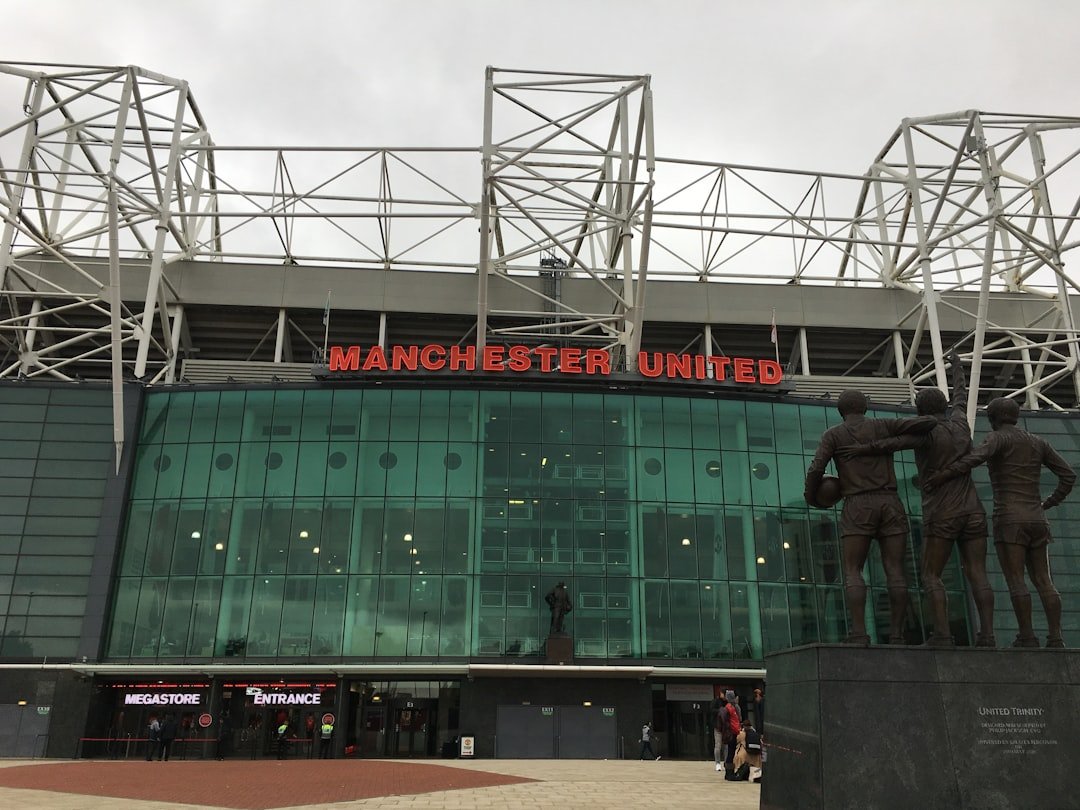
That tension, between a compelling narrative and a workable strategy, defined Burnham’s recent speech on what he calls “Manchesterism.” The Greater Manchester mayor took to the stage at the Manchester International Festival, painting a picture of a UK that devolves power, invests in public goods, and breaks from the London-centric model that has dominated for decades. It was stirring stuff. But for investors, business leaders, and anyone watching the UK’s economic trajectory, the question is simple: does this add up to anything real?
Let’s dig into what Burnham actually said, what it might mean for the North of England, and why the market, and the Treasury, are still waiting for the fine print.
The Core of Manchesterism
Burnham’s central argument is that the UK’s economic model is broken, not just in its distribution of wealth, but in its distribution of power. He calls for a “reset” where cities and regions take control of transport, housing, skills, and even fiscal powers currently held in Whitehall. “Manchesterism,” he said, “is about trusting people closer to the ground to make decisions about their own futures.”
That’s not new in theory, devolution has been a buzzword since the 1990s. But Burnham is giving it a sharper edge. He’s tying it to specific investments: a new tram line to the airport, a “London-style” housing strategy, and a digital skills academy funded by a mix of public and private capital. He even floated the idea of a regional bond market, where Manchester could borrow directly from savers rather than going cap-in-hand to Westminster.
It’s an audacious pitch. And it resonates because the numbers back up the frustration. The UK’s productivity gap between London and the rest of the country is one of the widest in the developed world. According to the Office for National Statistics, output per hour in London is nearly 30% higher than in the North West. That’s not just a statistic, it’s a drag on the entire economy.
But here’s where the speech started to feel more like a manifesto than a budget. Burnham didn’t explain how he’d get Treasury approval for a regional bond. He didn’t detail the cost of his housing plan or where the private capital would come from. And he glossed over the biggest question of all: if Manchester gets more fiscal autonomy, does that mean lower taxes for the North, or higher taxes for London?
What It Means for the North
For businesses and residents in Greater Manchester, the speech was a shot of adrenaline. The idea of a mayor who can actually raise money, build infrastructure, and set local priorities is intoxicating after decades of watching Whitehall decide whether the next tram stop gets built. “If Burnham can deliver even half of what he’s promising, this region could become a genuine counterweight to London,” says Sarah Mitchell, founder of Manchester-based tech startup UrbanChain. “But I’ve heard promises before. The difference is whether he can actually get the legislation through.”
That’s the rub. Devolution in the UK has been a piecemeal affair. Manchester has a combined authority and a metro mayor, but its powers are still limited. Burnham can’t set income tax, can’t borrow freely, and has no control over welfare or immigration, the big levers of economic policy. His speech implicitly called for a new constitutional settlement, but he didn’t outline the political path to get there.
Meanwhile, the North’s private sector is watching closely. If Manchesterism means more public spending, that could crowd in private investment, think of the way Crossrail boosted property values around stations in London. But if it means higher local taxes or regulatory burdens, businesses might balk. The devil, as ever, is in the detail.
And that detail is missing. Burnham mentioned a “Manchester Growth Fund” but didn’t say how big it would be or where the money would come from. He talked about “green bonds” for renewable energy projects, but gave no timeline or target. For a speech that was supposed to be a blueprint, it had more in common with a campaign rally.
The Missing Details, and Why They Matter
Economists love to say that fiscal policy is about trade-offs. Burnham’s speech avoided most of them. He didn’t explain whether his plan would require higher national borrowing, or whether he’d accept cuts elsewhere. He didn’t address the risk that regional bonds could be riskier than gilts, and thus carry higher interest costs. And he didn’t mention the biggest elephant in the room: the UK’s national debt is already above 100% of GDP, leaving little room for grand gestures.
This is where the comparison to a well-run company becomes useful. Look at a firm like Progressive Corporation (PGR), which has built a reputation for disciplined risk management and clear financial targets. Their strategy is laid out in quarterly earnings calls, investor presentations, and regulatory filings. Investors know exactly what they’re buying. Burnham’s Manchesterism, by contrast, is more like a vision statement from a startup that hasn’t written a business plan yet. It’s exciting, but it’s not investable.
And that’s a problem. Because if Burnham wants to attract private capital, and he explicitly said he does, he needs to give investors something concrete to evaluate. A tram line to the airport is a project. A regional bond is a financial instrument. But without numbers, without risk assessments, without a clear legal framework, it’s just talk.
Some of the biggest economic transformations in recent history came from clear, detailed plans. Germany’s Energiewende had specific targets and subsidies. Singapore’s economic development board published five-year plans with measurable goals. Burnham’s speech was long on ambition but short on the kind of granularity that turns vision into reality.
Market Implications, and a Reality Check
Financial markets are already pricing in a degree of political uncertainty in the UK. The pound has been volatile, and gilt yields have risen as investors demand a premium for holding UK debt. A bold new economic vision from a regional mayor might sound good, but until it’s backed by Westminster, it’s just a talking point.
Burnham’s allies argue that the market underestimates the power of localism. They point to the success of the Greater Manchester Combined Authority in securing a devolved health and social care budget, the first of its kind in England. That deal was negotiated over years, with detailed cost-benefit analysis and cross-party support. It’s a model for what Manchesterism could become, but it took patience and paperwork.
Meanwhile, investors have plenty of other options. The tech sector, for instance, continues to throw off opportunities, companies like Figma (FIG) are reshaping entire industries with clear business models and transparent financials. The contrast is instructive: while Burnham dreams of a new economic geography, capital is flowing to firms with proven strategies and measurable returns.
That doesn’t mean Manchesterism is wrong. It means it’s incomplete. And in economics, incomplete plans don’t move markets. They don’t attract investment. And they don’t change the lives of people waiting for that next tram stop to be built.
So where does this leave us? Burnham has done something valuable: he’s shifted the Overton window on what’s possible in UK economic policy. He’s made devolution a mainstream conversation, not a fringe idea. But until he fills in the blanks, the costings, the legal mechanisms, the political strategy, Manchesterism will remain a slogan rather than a blueprint.
And in a world where the UK faces stagnant growth, high debt, and a cost-of-living crisis, slogans won’t pay the bills. The next step for Burnham is to turn his vision into a spreadsheet. Because that’s where credibility begins.
Frequently Asked Questions
What exactly is Manchesterism?
Manchesterism is the term used by Andy Burnham to describe his economic and political vision for greater devolution of power from London to regions like Greater Manchester. It includes proposals for regional bonds, local control over transport and housing, and a shift away from the UK’s centralized economic model. It is inspired by historical movements like the Manchester School of free trade, but adapted for modern challenges.
Is Manchesterism a fully costed policy plan?
No. As of his recent speech, Burnham has outlined broad principles and several specific projects (e.g., a tram extension, a digital skills academy), but he has not provided detailed costings, funding sources, or legislative pathways. Economists and investors have noted the lack of a concrete fiscal framework, making it difficult to assess feasibility or market impact.
How would Manchesterism affect businesses and investors?
If implemented, Manchesterism could create new opportunities in infrastructure, housing, and green energy within the region. However, the lack of detail means businesses cannot yet evaluate risks or returns. Investors are likely to remain cautious until Burnham produces a clear financial plan, including borrowing limits, tax implications, and private sector incentives. Until then, capital continues to flow to more transparent opportunities.