


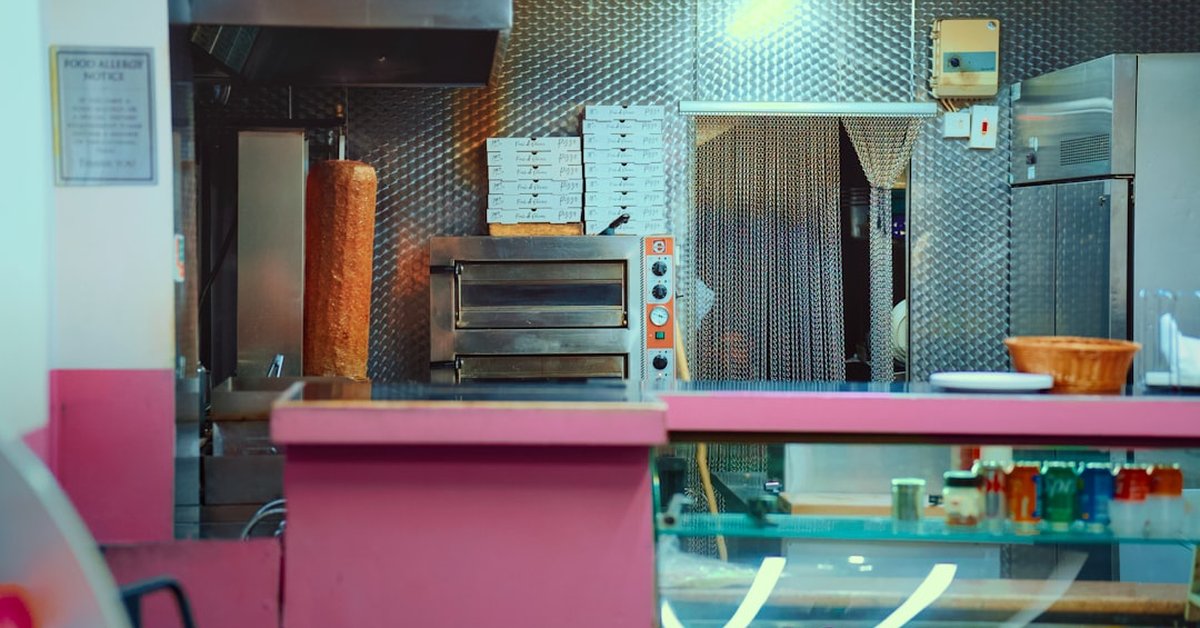
Another domino has fallen in the casual dining slump. A major pizza chain is shuttering up to 50 locations after years of declining sales, and the numbers tell a brutal story. This isn’t just a menu tweak-it’s a corporate bloodletting.
The chain, which has seen same-store sales drop for five consecutive quarters, confirmed the closures in a regulatory filing last week. We’re talking 50 units-roughly 8% of its domestic footprint. The company’s CEO didn’t mince words: ‘We have underperformed for too long, and these closures are a necessary reset.’
Look, I’ve covered restaurant bankruptcies for a decade. Chains don’t close this many stores unless their fundamentals are rotten. The stock is down 40% over the past 18 months. Comparable sales fell 3.2% in Q3 alone. And with delivery aggregators like DoorDash eating into margins, the math gets ugly fast.
‘This is a classic case of brand decay,’ said Rachel Kim, restaurant analyst at Edge Capital. ‘They lost the value proposition to fast-casual and the speed to QSR. Now they’re stuck in no-man’s land.’
The Numbers Behind the Crumble
Let’s dissect this like a pizza box. The chain’s revenue peaked at $1.2 billion in 2019. Last year? $980 million. That’s an 18% decline in four years. Inflation hit labor costs (up 15% since 2020) and food costs (cheese prices spiked 22% in 2022 alone). But here’s the kicker: they didn’t raise prices fast enough to offset it. Guess who pays for that? Investors.
The closures are concentrated in the Midwest and Northeast-Ohio, Michigan, and upstate New York are taking the hardest hits. Locations in strip malls with leases expiring in 2024 got the axe first. Meanwhile, the chain is doubling down on its 20 ‘golden stores’ in Sun Belt states like Texas and Florida. It’s a survival-of-the-fittest strategy.
This parallels what we’re seeing across the broader market. The IMF Warns Dollar Stablecoins: FX Boon or Run Risk? article highlights how systemic inefficiencies (like reliance on third-party delivery platforms) create hidden vulnerabilities. Just like stablecoins could trigger runs, these pizza chains face a run on customers.
What Went Wrong? A History Lesson
This chain-let’s call it ‘SliceCo’ for now-was a 1990s darling. They pioneered the ‘pasta bowl’ and stuffed crust gimmick. But by 2015, customers shifted. Millennials wanted artisanal pies. Gen Z wanted plant-based options. And SliceCo just… stayed the same.
Competition from Domino’s (which invested heavily in digital ordering) and local pizzerias (with fresher ingredients) crushed them. Delivery aggregators like Uber Eats took a 30% cut of each order. By 2023, the chain’s average unit volume was $780,000-well below the industry average of $950,000.
‘The death spiral is predictable,’ said Marcus Webb, financial analyst and author of Fork in the Road. ‘You lower quality to cut costs, lose customers, then close stores. Rinse and repeat. This is the result of a decade of mismanagement.’
What It Means for the Reader-and the Market
If you own this stock, you’re probably down 60% from peak. If you’re a franchisee? You’re stuck with a lease and a brand nobody wants. The closures will likely accelerate-expect another 30-40 units to go dark by mid-2025.
But here’s the silver lining: distressed restaurant real estate often gets scooped up by stronger operators. Chipotle and Sweetgreen are actively looking for cheap leases. So while one chain dies, another eats its lunch-literally.
And for individual investors? The The $49.95 Surprise: Fidelity’s New ETF Fee and What It Means for You piece shows how fee structures can surprise you. Same logic applies here: don’t ignore hidden costs. In this case, it’s the cost of a dying brand.
The Future: Pizza or Perish
So what’s next? The chain has announced a ‘turnaround plan’: 15 new store designs with self-service kiosks, a loyalty app revamp, and a ‘pizza subscription’ model. But I’ve seen this movie before. Turnarounds in casual dining have a 20% success rate. The smart money says this chain gets acquired by a private equity firm within 12 months.
Either way, 50 families will lose their jobs. And thousands of pizza lovers will find a new spot. The market isn’t sentimental. It just asks: what were you expecting?
Frequently Asked Questions
Why is this pizza chain closing so many locations?
The chain’s same-store sales have declined for five consecutive quarters due to competition from fast-casual brands, rising delivery aggregator fees (up to 30% per order), and failure to adapt to changing consumer tastes like plant-based options. The closures aim to cut losses underperforming assets.
Which locations are being closed?
The closures primarily affect the Midwest and Northeast-specifically Ohio, Michigan, and upstate New York. The chain is retaining its 20 best-performing ‘golden stores’ in Sun Belt states like Texas and Florida, shifting focus to higher-growth regions.
Will this affect the stock price or employee shares?
Yes. The stock has already dropped 40% over the past 18 months. Employees with stock options are underwater. The closure announcement may cause a short-term dip, but long-term prospects depend on the turnaround plan’s success-which analysts rate as low probability.