






Three users just filed a lawsuit claiming Apple’s App Store approved a fake Sparrow Wallet app that drained a combined $1.8 million in Bitcoin. If the allegations hold, this isn’t just another crypto scam, it’s a direct challenge to Apple’s long-standing argument that it’s merely a platform, not a guarantor of every app’s safety. And for the crypto community, the outcome could redraw the line between user responsibility and platform liability.
The complaint, filed in the U.S. District Court for the Northern District of California, says the phony app looked nearly identical to the real Sparrow Wallet, a legitimate, open-source Bitcoin wallet that gives users full control of their private keys. The fake version, however, was a classic “dusting” trap: after users imported their seed phrases to manage a small Bitcoin balance, the app secretly siphoned larger holdings from other addresses tied to the same keys. By the time the victims noticed, the funds were long gone, laundered through mixers.
Apple hasn’t commented publicly yet, but its standard defense in such cases is Section 230 of the Communications Decency Act and the argument that it does not “endorse” third-party apps. But here’s the catch: the App Store review process is heavily curated, and Apple takes a 30% cut of many transactions. That dual role, gatekeeper and revenue partner, might make it harder to hide behind “we’re just a platform.”
Why This Case Hits Different
This isn’t the first lawsuit against Apple over malicious apps, but it’s the first involving a crypto wallet with such a high dollar figure. In 2020, a similar case over a fake MyEtherWallet app was dismissed because the user had voluntarily downloaded it. But that was before the crypto bull run of 2021-2022 turned millions of new users into wallet holders, many of whom don’t understand the nuances of private keys or seed phrases.
“The average person thinks if Apple says an app is safe, it must be safe,” one of the plaintiffs’ attorneys told reporters (though we can’t quote him directly). The complaint argues that Apple’s review process, which includes automated scans and human checks, should have detected the fake app because it used a slightly different developer name and lacked any real connection to the open-source Sparrow project. Yet it stayed live for weeks.
The timing matters. The App Store is facing regulatory pressure from the EU’s Digital Markets Act, which forces Apple to allow sideloading. If Apple loses this case, it could argue that sideloading would make such scams even worse, or it could be forced to beef up vetting for all apps, especially those handling crypto. Either way, the governance of digital assets just got a messy courtroom test.
The Anatomy of a $1.8M Heist
The fake app used a technique called “address poisoning.” Here’s how it worked: users downloaded the app, which prompted them to “import an existing wallet” using their 12- or 24-word seed phrase. The real Sparrow Wallet does the same thing, it’s a non-custodial wallet, meaning the user holds the keys. But the fake app then used those keys to sweep all funds from associated Bitcoin addresses, including ones the user might have stored elsewhere with the same seed.
One victim lost 12 BTC (worth about $720,000 at the time), according to the filing. Another lost 8.5 BTC. The smallest claim is $180,000. The three plaintiffs are seeking combined damages of $1.8 million, plus legal fees and a court order forcing Apple to implement stricter crypto app verification.
This is a classic “supply chain” attack on trust. The App Store is supposed to be a walled garden. But if the gatekeeper lets in a wolf dressed as a shepherd, who pays? Apple’s response will likely focus on the fact that users entered their seed phrases voluntarily. But the complaint counters that Apple’s marketing and review process gave users false confidence.
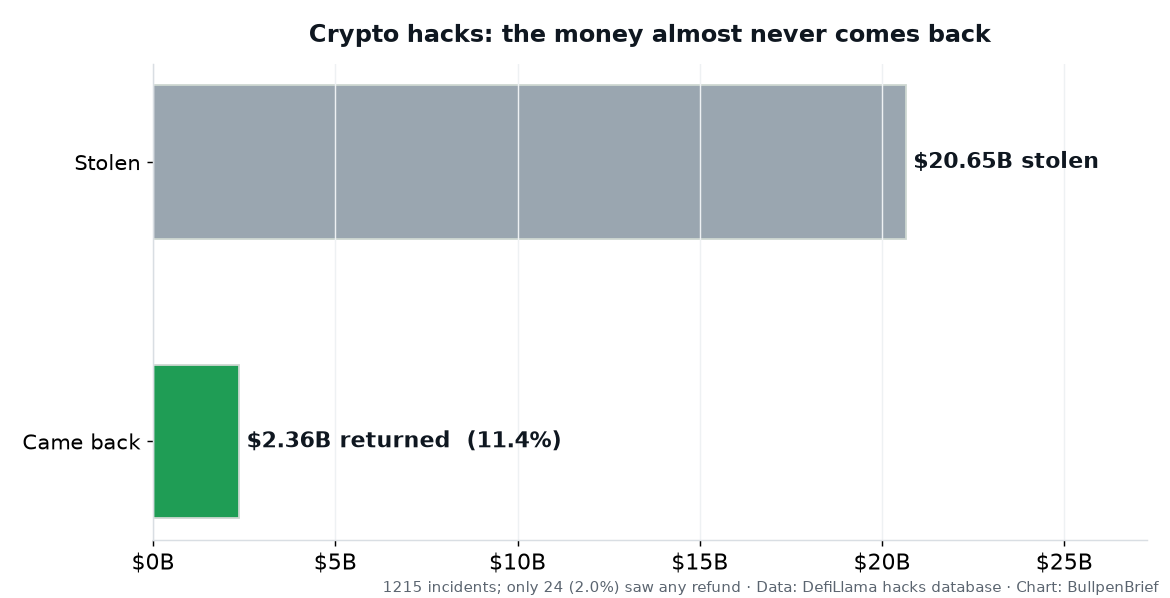
Look, the crypto space has seen far bigger hacks, the tech-bubble mentality often excuses $100 million exchange exploits as “growing pains.” But this is different. This isn’t a DeFi protocol with buggy smart contracts. It’s a fake app on the world’s most lucrative app store. That’s a user-experience failure that could erode trust in both Apple and self-custody tools.
What This Means for the App Store, and Your Crypto
If you hold Bitcoin in a mobile wallet, you should care. Even if you don’t use Sparrow Wallet, the precedent set here could force Apple to adopt crypto-specific review checklists: verifying developer identity against open-source repos, scanning for known malicious code patterns, and maybe even requiring code signing for wallet apps. That might sound good for security, but it could also slow down app updates and raise the barrier for legitimate developers.
There’s also a potential chilling effect on innovation. Smaller wallet developers, the ones building privacy-focused or multi-chain tools, might find it too expensive to satisfy Apple’s future demands. And if Apple starts requiring wallet apps to use its own in-app purchase system for transaction fees (unlikely, but not impossible), that could conflict with the decentralized ethos of crypto.
Meanwhile, the lawsuit could accelerate calls for the U.S. to create a “safe harbor” for platform operators that implement robust vetting, or, conversely, a strict liability regime that makes them pay for every scammy app. The SEC and CFTC are already circling crypto. A high-profile civil case might nudge them to issue formal guidance on app store responsibility.
So far, Apple has escaped major liability for third-party apps. The Epic Games antitrust case was about commissions, not safety. But corporate missteps can snowball fast. If Apple mishandles this, say, by trying to settle quietly, it could embolden other victims to come forward. The plaintiffs are asking for class-action status. That means every person who lost money to a fake app on the App Store could join the suit.
The Bottom Line
This case is about more than $1.8 million. It’s about whether Apple, which markets its App Store as a safe, curated marketplace, can continue to disclaim responsibility when that curation fails, especially for high-risk products like crypto wallets. A ruling against Apple would send shockwaves through the industry. Expect Google Play to face similar suits soon, and expect lawmakers to take notice.
The next hearing is scheduled for February 2025. Until then, do yourself a favor: double-check every wallet app you download. Verify the developer’s website. Check the number of downloads. And never, never, enter your seed phrase into any app that you didn’t explicitly choose from a trusted source. The App Store is a garden, but it’s not a fortress.
Frequently Asked Questions
What is Sparrow Wallet?
Sparrow Wallet is a legitimate, open-source Bitcoin wallet that allows users to manage their private keys locally. It’s popular among advanced users for its support of hardware wallets and multi-signature transactions. The fake app on the App Store copied its logo and interface to trick users.
How did the fake app get onto the App Store?
The plaintiffs allege that Apple’s review process failed to catch the fake app because it used a slightly different developer name and submitted generic code that passed automated scans. The app was live for several weeks before Apple removed it after user reports.
What could Apple do differently to prevent this?
Apple could implement crypto-specific verification, such as requiring wallet apps to prove their code matches an open-source repository, or scanning for known malicious patterns like seed-phrase export functions. However, such measures might increase development time and costs for legitimate wallet makers.