







JetBlue’s Dual-Class Strategy: A Bet Against Its Own DNA?
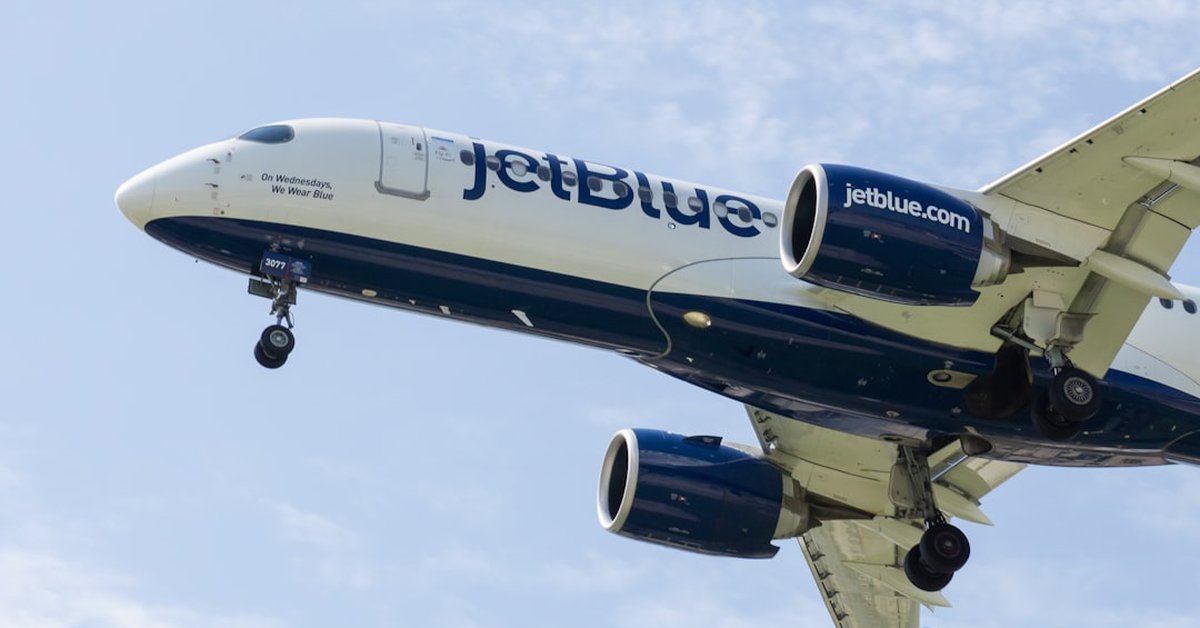
JetBlue’s recent announcement to introduce both a premium ‘BlueFirst’ product and basic economy fares simultaneously isn’t just a strategic pivot; it’s a high-stakes gamble that could fundamentally erode the very brand identity that once made the airline a darling of the skies. For years, JetBlue carved out a niche by offering a consistently comfortable, customer-friendly experience across the board, think free Wi-Fi, ample legroom, and live TV for everyone. They were the anti-legacy airline, the disruptor that proved you didn’t have to nickel-and-dime passengers at every turn to be profitable. Now? They’re becoming, well, everyone else. This move risks alienating their loyal base without truly capturing the high-yield business traveler they so desperately covet, creating a confusing proposition in a cutthroat industry.
Let’s unpack this. On one hand, you have ‘BlueFirst,’ a brand-new first-class offering designed to compete with the likes of American, Delta, and United on transcontinental and potentially international routes. This isn’t just a spruced-up Mint, their existing business-class product; it’s a full-fledged push into the ultra-premium segment. JetBlue is clearly chasing the lucrative corporate travel market, where margins are fatter and passengers are less price-sensitive. This makes sense from a purely financial perspective, especially as fuel costs remain volatile and operational expenses continue to climb. Airlines are constantly seeking ways to diversify revenue streams. But, and this is a big but, JetBlue’s brand equity has always been rooted in democratic comfort. Their initial success was built on the idea that even economy passengers deserved a pleasant flight experience.
And then there’s the other shoe dropping: the widespread introduction of basic economy fares across most cabins. This isn’t entirely new for JetBlue; they’ve dabbled in it before. But expanding it significantly means a fundamental shift in how they price and package their services. Basic economy, for the uninitiated, is the industry’s way of offering the lowest possible price point by stripping away almost everything else: no seat selection, strict carry-on restrictions (sometimes only a personal item), and often no changes or refunds. It’s the airline equivalent of buying a barebones car, it gets you from A to B, but don’t expect any frills. This strategy is wildly successful for legacy carriers like United and American, who use it to compete with ultra-low-cost carriers like Spirit and Frontier. But JetBlue? They were supposed to be different. They were supposed to be the premium budget airline, not the one racing to the bottom.
The Erosion of the ‘JetBlue Experience’
The core issue here is brand dilution. JetBlue’s original promise was a consistent, elevated experience. When you flew JetBlue, you knew what you were getting. Now, a passenger booking a ‘BlueFirst’ ticket will have an entirely different experience than someone on a basic economy fare, even on the same flight. This creates internal inconsistencies and could lead to significant customer confusion and frustration. Imagine a loyal JetBlue flyer who remembers the days of free checked bags and generous legroom suddenly finding themselves paying extra for a carry-on or being assigned a middle seat in the very back of the plane. The emotional connection, the ‘JetBlue love’ that many passengers had, could quickly dissipate. It’s a bit like a beloved boutique hotel chain suddenly launching a budget motel brand under the same name, it just feels… off. Some might even say it’s reminiscent of how other companies have struggled when attempting to redefine their core identity, perhaps even more drastically than the Cracker Barrel CEO’s rebrand chaos.
The airline industry is fiercely competitive, and JetBlue has been under pressure to improve profitability. Their planned acquisition of Spirit Airlines, which was ultimately blocked by a federal judge, was another attempt to scale up and compete more effectively against the entrenched giants. With that avenue closed, this dual-class strategy appears to be their next big play. The idea is to capture both ends of the market: the high-spending business traveler with ‘BlueFirst’ and the extremely price-sensitive leisure traveler with basic economy. It’s a classic segmentation strategy, but one that comes with significant risks for a brand built on uniformity and an anti-establishment ethos. Will the premium offerings generate enough revenue to offset the potential damage to their unique brand identity?
What This Means for Travelers and Investors
For travelers, this means a more complicated booking process and a need to pay closer attention to what’s included in their fare. No longer can you assume certain amenities when flying JetBlue. You’ll need to read the fine print, compare fare types, and decide what level of comfort and flexibility you’re willing to pay for. This is good for consumers who prioritize the absolute lowest price, as more basic economy options will likely appear. But for those who valued JetBlue for its consistent quality, it’s a step backward. It means the ‘JetBlue experience’ will no longer be a given; it will be an upsell.
For investors, the success of this strategy hinges on execution and market acceptance. Can JetBlue successfully market ‘BlueFirst’ as a truly premium product that justifies its price tag, while simultaneously managing the potential brand damage from widespread basic economy? The airline will need to carefully segment its marketing, ensuring that the luxury experience of ‘BlueFirst’ isn’t undermined by the perception of a race to the bottom in other cabins. If they can pull it off, it could lead to increased revenue and improved profitability. If not, they risk becoming just another airline, losing their competitive edge and unique appeal. The market tends to reward clarity; this strategy introduces complexity. So, while the financial rationale is clear, the long-term brand implications are far less certain. It’s a bold move, and only time will tell if it pays off or if JetBlue ends up sacrificing its soul on the altar of profitability, becoming indistinguishable from the very airlines it once set out to disrupt.
The coming quarters will be critical in assessing how passengers react to these changes. Will the lure of cheap basic fares bring in new customers, or will the departure from their foundational principles drive away their most loyal patrons? And how will ‘BlueFirst’ be received in a market already saturated with established luxury air travel options? The answers will shape JetBlue’s trajectory for years to come.
Frequently Asked Questions
Q: What is BlueFirst?
A: BlueFirst is JetBlue’s new premium first-class product, designed to offer a higher level of luxury and service, competing with traditional first-class offerings from other major airlines.
Q: What are basic economy fares?
A: Basic economy fares are the lowest-priced tickets offered by airlines, typically with restrictions such as no seat selection, limited carry-on allowance, and no changes or refunds, in exchange for a cheaper price.
Q: Why is JetBlue introducing both premium and basic fares?
A: JetBlue is implementing a dual-class strategy to capture both the high-spending business travel market with BlueFirst and the price-sensitive leisure market with basic economy, aiming to diversify revenue streams and improve profitability in a competitive industry.