


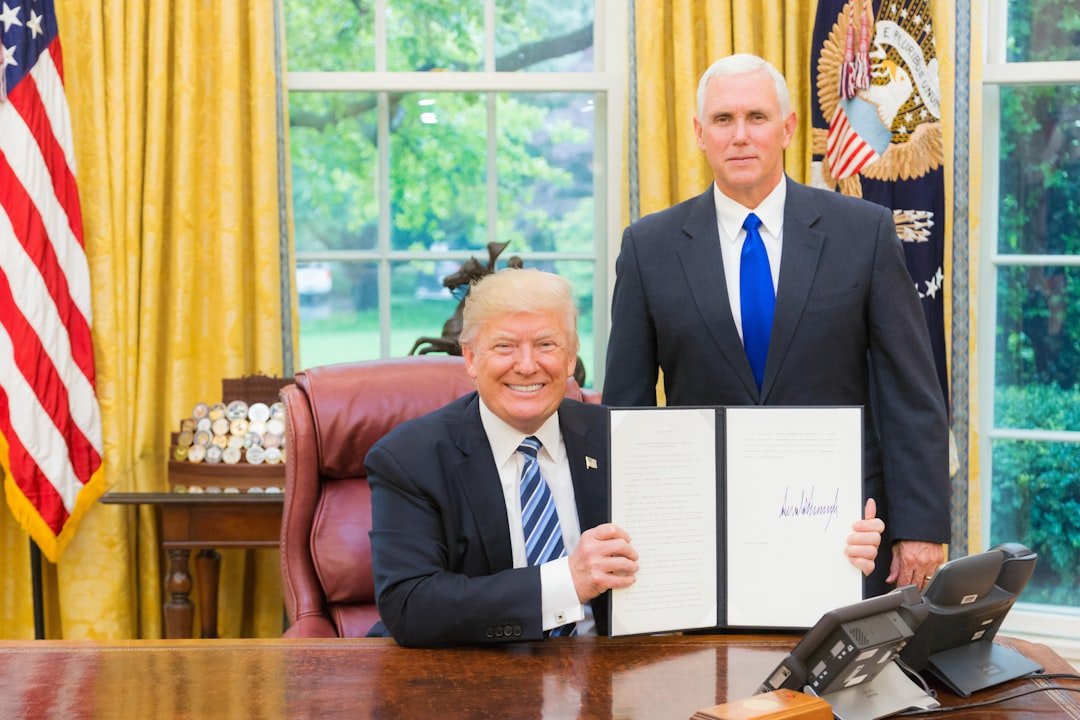
…and just like that, the hammer came down. Two federal judges, one in Washington D.C. and another in California, have blocked a Trump administration rule that would have severely restricted eligibility for the Public Service Loan Forgiveness (PSLF) program. For the millions of teachers, nurses, firefighters, and government employees counting on loan forgiveness after a decade of public service, this ruling is a stay of execution. For the administration, it’s a legal black eye that throws its regulatory agenda into chaos.
Let’s cut through the noise. This isn’t some obscure bureaucratic tweak. The rule, finalized in 2019 but never fully implemented due to litigation, aimed to narrow the definition of ‘qualifying payments’ and make it harder for borrowers to prove they worked full-time in public service. The Education Department under Betsy DeVos argued it was closing loopholes. But the courts saw it differently-as a backdoor attempt to gut a program that has already seen a staggering 99% rejection rate since its inception in 2007.
Numbers don’t lie. As of late 2020, out of nearly 1.3 million applications, only about 5,500 borrowers had actually received forgiveness. That’s a 0.4% approval rate. The new rule would have made that already microscopic pipeline even narrower. Now, two judges have said: not so fast.
The Legal One-Two Punch
The first blow came from Judge James E. Boasberg in the U.S. District Court for the District of Columbia. In a 31-page ruling, he found that the Education Department’s rule violated the Administrative Procedure Act (APA)-basically, the government didn’t follow its own rulemaking procedures. They failed to provide adequate notice, ignored key data, and essentially cooked the books on the economic impact analysis.
Then Judge John A. Mendez in the Eastern District of California piled on. His ruling went further, arguing that the rule was ‘arbitrary and capricious’-the legal kiss of death for any federal regulation. He noted that the department had ‘cherry-picked’ data to justify changes that would have saved the government an estimated $3.2 billion over ten years. That’s a lot of money, sure. But at the cost of breaking promises to public servants who structured their entire careers around this program.
‘This is a victory for the rule of law and for the millions of Americans who serve their communities,’ said Sarah R. Johnson, a staff attorney at the National Consumer Law Center. ‘The court recognized that you cannot unilaterally rewrite a contract with borrowers after they’ve already made years of payments in good faith.’
The rulings effectively block the rule nationwide, meaning the current, more borrower-friendly version of PSLF stays in place-at least for now. And let’s be real, with the Biden administration already reversing many of the Trump-era policies on student loans, this ruling might just be the nail in the coffin for this particular regulatory gambit.
What Was at Stake?
To understand why this matters, you need to know what the Trump rule actually proposed. It wasn’t just about tightening definitions. It would have:
- Narrowed ‘full-time employment’ to exclude certain adjunct professors and part-time workers who cobble together multiple public service jobs.
- Changed the calculation of qualifying payments to exclude those made under certain income-driven repayment plans.
- Imposed a stricter certification process that required annual employer verification, with no grace period for late filings.
Think about that last point. A public school teacher in Ohio or a nurse in rural Montana-already drowning in paperwork-would have to jump through new hoops every single year. Miss a deadline? Your previous payments might not count. It’s a recipe for disaster, and the courts saw it.
This fight isn’t happening in a vacuum. The broader student loan system is a mess. Meanwhile, governments are spending billions on infrastructure projects like Shetland’s £1.5bn tunnel plan, but can’t seem to get the basics right on loan servicing. The irony is thick enough to cut with a knife.
The Numbers Game
Let’s talk dollars and cents-because that’s what this is really about. The Congressional Budget Office estimated the Trump rule would save $3.2 billion over a decade. Sounds like a lot, right? But here’s the thing: the PSLF program itself was designed to cost money. It’s an incentive. You forgive loans, and in exchange, you get a stable workforce of public servants who don’t jump ship for higher-paying private sector jobs.
A 2020 study by the Government Accountability Office found that the program’s administrative costs were already ballooning due to mismanagement. The Education Department spent $170 million on loan servicers in 2019 alone, much of it on handling PSLF applications. The new rule would have added more complexity, not less. So the ‘savings’ were largely illusory-just a way to kick borrowers out of the program and call it a win.
Here’s the kicker: even with the rule blocked, the program is still a nightmare to navigate. The approval rate is abysmal. But at least now, borrowers have a fighting chance. The courts have made it clear that the government can’t just change the rules mid-game without consequences.
‘This should be a wake-up call for policymakers,’ said Dr. Michael T. Chen, a professor of public policy at Georgetown University. ‘The PSLF program is broken, but you fix it by simplifying the process, not by narrowing eligibility. These rulings send a message that administrative shortcuts won’t survive judicial scrutiny.’
And it’s not just about the courts. The Biden administration has already signaled it wants to overhaul PSLF. In October 2021, the Department of Education announced a temporary waiver that allowed nearly 22,000 borrowers to receive forgiveness. That’s more than four times the number who had received forgiveness in the previous 14 years combined. The waiver expires in October 2022, but the pressure is on to make it permanent.
What This Means for You
If you’re a public servant with student loans, here’s the bottom line: your path to forgiveness just got a little clearer. The current rules remain in effect. You still need to make 120 qualifying payments while working full-time for a qualifying employer. But you don’t have to worry about the draconian changes the Trump administration tried to push through.
That said, don’t get complacent. The program is still underfunded and poorly administered. Keep meticulous records. Certify your employment annually. And stay on top of policy changes-because this fight isn’t over. The Trump administration could appeal, though with a new administration in power, that’s unlikely. More realistically, Congress could step in and try to codify some of the restrictions through legislation. But given the current gridlock, that’s a long shot.
And here’s a thought: what if the government just… fixed the program? Like how WhatsApp just ditched phone numbers for usernames to simplify privacy, sometimes the simplest solution is a complete redesign. But that requires political will, and let’s be honest-student loans are a political football that neither party wants to fully kick.
Looking Ahead
The immediate impact of these rulings is clear: the Trump-era rule is dead in the water. But the bigger question is what comes next. The Biden administration has already proposed a new rule that would expand PSLF eligibility and simplify the forgiveness process. Public comments are open until May 2022, and final rules could take effect by mid-2023.
For now, borrowers can breathe. But this saga is a reminder that when it comes to student loans, the only constant is change. Keep your paperwork in order, stay informed, and don’t assume the rules will stay the same. Because in Washington, the only thing more predictable than gridlock is a fight over who gets to forgive-and who gets to collect.
Frequently Asked Questions
What exactly did the courts block?
The courts blocked a Trump administration rule that would have narrowed the definition of qualifying payments for the Public Service Loan Forgiveness program. It would have made it harder for borrowers to prove full-time employment, excluded certain repayment plans, and imposed stricter annual certification requirements. The judges found the rule violated federal rulemaking procedures and was arbitrary.
Does this mean I’ll automatically get my loans forgiven?
No. The ruling blocks the restrictive rule, but the PSLF program still has strict requirements. You must make 120 qualifying payments while working full-time for a qualifying employer (government or non-profit). The program still has a very low approval rate, so keep meticulous records and certify your employment annually.
Can the government appeal these rulings?
Technically, yes. But with the Biden administration in power and already working on its own expansion of PSLF, an appeal is unlikely. The Department of Education has not indicated it will appeal. Instead, it’s focused on implementing temporary waivers and proposing new, more borrower-friendly rules.