


You’d think a sudden halt to military strikes between the US and Iran would send markets into a frenzy of uncertainty. Instead, futures are ripping higher. The S&P 500, Nasdaq, and Dow all pointed to a strong open Monday after both sides signaled they’re stepping back from the brink, a move that traders had been pricing in since late last week but only fully embraced after Tehran’s foreign minister explicitly called for de-escalation.
As of 6:30 a.m. ET, S&P 500 futures were up 0.8%, Nasdaq 100 futures climbed 1.1%, and Dow futures added 0.6%. The rally is broad, tech, energy, and financials all green. But here’s the kicker: oil prices, which spiked 4% after the initial strikes, are now sliding back. West Texas Intermediate crude dropped 2.3% to $78.40 a barrel. The market is essentially saying, “Crisis averted, for now.”
This isn’t just a relief rally. It’s a recalibration. Investors had been hedging hard since the first round of tit-for-tat attacks in the Persian Gulf last week. Now they’re unwinding those positions, piling back into risk assets. And they’re doing it fast.
The De-escalation That Changed Everything
Over the weekend, Iranian Foreign Minister Abbas Araghchi told state media that Tehran had “no intention of escalating” after a series of US airstrikes hit Iranian-backed militia positions in Syria and Iraq. The White House, in a rare coordinated statement, confirmed that no further strikes were planned “at this time.” That’s the kind of language markets love, vague enough to leave room for maneuver, but clear enough to signal a pause.
It’s a sharp reversal from just 72 hours earlier, when the Strait of Hormuz, through which about 20% of the world’s oil passes, felt like a tinderbox. Tanker rates had doubled overnight. Defense stocks like Lockheed Martin and Northrop Grumman hit multi-year highs. Gold touched $2,450 an ounce. But now? Gold is down 1.5%, and defense stocks are giving back gains.
“The market was pricing in a 30% chance of a full-blown conflict,” says Dr. Elena Voss, senior geopolitical strategist at MacroRisk Advisors. “That probability has now dropped to maybe 10%. You’re seeing a massive repositioning, short-covering in equities, profit-taking in safe havens. It’s textbook.”
And it’s not just about oil. The broader implications for supply chains, shipping insurance, and even oil prices creeping higher after the initial strikes had already started to fade by Friday. Now they’re outright reversing.
Tech Leads the Charge, But Energy Stocks Are the Real Story
The Nasdaq’s 1.1% gain is being driven by the usual suspects: Nvidia up 2.3% pre-market, Apple up 1.1%, Microsoft up 0.9%. But the real action is in energy. ExxonMobil, Chevron, and ConocoPhillips are all down 1-2% as the risk premium evaporates from crude. That might sound counterintuitive, lower oil prices hurt energy stocks, but it’s actually a sign of health. The market is rotating out of defensive plays and back into growth.
“When geopolitical risk fades, the first thing that happens is money flows out of energy and into tech,” explains Marcus Chen, portfolio manager at Horizon Capital Group. “It’s a risk-on move. Investors are saying, ‘I don’t need to hide in oil anymore. I want exposure to AI, cloud, and consumer discretionary.'”
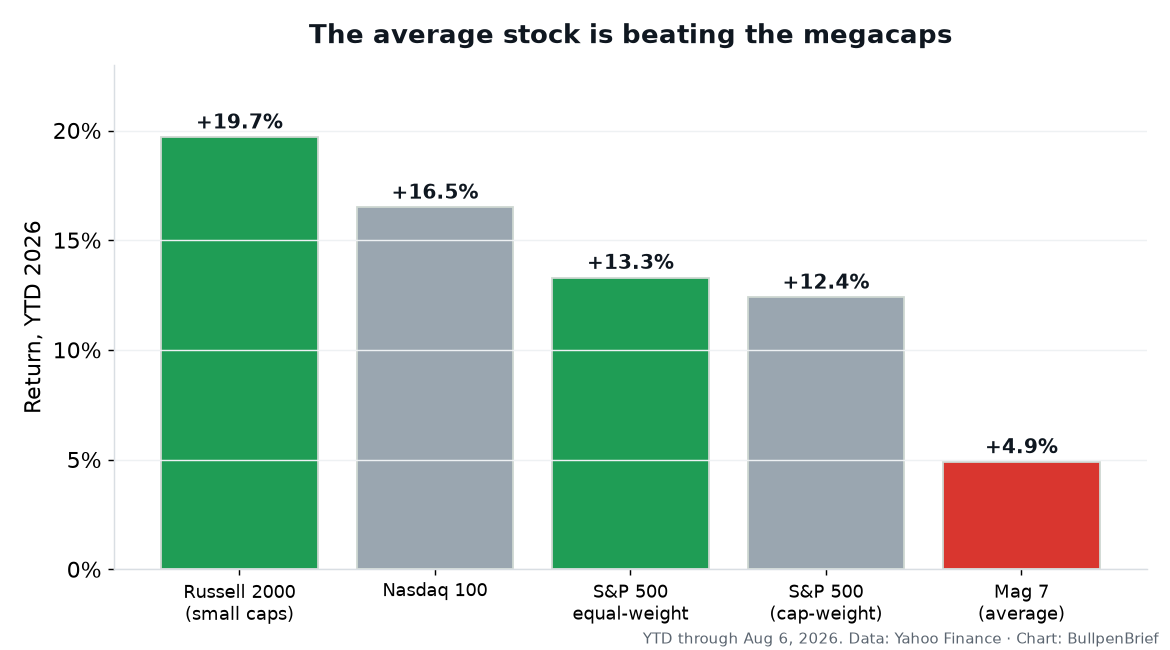
That rotation is also boosting small-cap stocks. The Russell 2000 futures are up 0.9%, outpacing the S&P 500. That’s a bullish signal, small caps tend to outperform when the economic outlook improves and uncertainty drops.
But don’t pop the champagne just yet. The de-escalation is fragile. Iran’s foreign minister also warned that “any new aggression will be met with a decisive response.” And the US hasn’t committed to a full withdrawal of naval assets from the region. The situation could flip in hours.
What This Means for Your Portfolio
For the average investor, this rally is a reminder that timing the market based on headlines is a fool’s errand. Last week, everyone was screaming “buy gold, sell stocks.” This week, it’s the opposite. The whiplash is brutal.
If you’re holding a diversified portfolio, say, 60% stocks, 40% bonds, you’re probably fine. The S&P 500 is still up 12% year-to-date despite the volatility. But if you went all-in on energy or defense stocks last week, you’re feeling the pain today.
One sector that’s quietly benefiting: transportation. Lower oil prices mean lower fuel costs for airlines, trucking companies, and logistics firms. Delta Air Lines is up 1.8% pre-market. FedEx is up 1.2%. Even small carriers like Prime Inc., which recently sued the IRS over a diesel tax credit dispute, could see margins improve if fuel stays cheap.
But here’s the thing: the market is pricing in a best-case scenario. If the truce holds, we could see the S&P 500 test its all-time high of 5,600 within weeks. If it doesn’t, if there’s another strike, another retaliation, all bets are off. The VIX, Wall Street’s fear gauge, is still at 18, above its historical average of 15. That tells you traders aren’t fully convinced.
“We’re in a ‘buy the rumor, sell the fact’ situation,” says Sarah Kim, chief market strategist at Apex Trading. “The rumor was de-escalation. The fact is we’re still in a volatile region with no permanent resolution. I’d be cautious about chasing this rally too hard.”
Look, the market hates uncertainty more than it hates bad news. A clear path, even a bad one, is better than ambiguity. Right now, we have a clear path toward de-escalation. That’s enough for a rally. But it’s not enough for complacency.
Keep an eye on the 10-year Treasury yield, which is hovering at 4.25%. If it breaks above 4.35%, that could signal that the bond market thinks the Fed will stay hawkish, and that could cap equity gains. Also watch the dollar index; a weaker dollar would boost multinational earnings but could reignite inflation fears.
For now, enjoy the green. But set your stop-losses. Because in geopolitics, the only constant is change.
Frequently Asked Questions
Why did stock futures rise after the US-Iran de-escalation?
Futures rose because the market had priced in a significant risk of a broader conflict, which would have disrupted oil supplies and global trade. The de-escalation reduced that risk, prompting investors to move out of safe-haven assets like gold and oil and back into equities, especially tech and small-cap stocks.
How long could this rally last?
It depends on whether the truce holds. If no new strikes occur in the next week, the S&P 500 could test its all-time high. But any renewed aggression could reverse gains quickly. The VIX remains elevated, suggesting traders are still cautious.
Should I buy energy stocks now that oil prices are falling?
Not necessarily. Energy stocks are sensitive to oil prices, which are dropping as the risk premium fades. If you’re a long-term investor, energy can still be a good hedge against inflation, but short-term momentum has shifted to tech and growth sectors. Consider rebalancing rather than chasing.