
“The Trump administration’s deliberate slowdown of student loan forgiveness is not bureaucratic inefficiency, it’s an unlawful blockade,” the American Federation of Teachers alleges in its lawsuit filed this week in federal court. The union, representing 1.7 million educators, is accusing senior Education Department officials of illegally withholding relief from tens of thousands of borrowers who qualify for the Public Service Loan Forgiveness program. My read: this isn’t just another legal scuffle. It’s a direct challenge to a pattern of administrative obstruction that has left borrowers in financial limbo, and the outcome could reshape how the government handles forgiveness promises.
The Lawsuit’s Core Allegations
The AFT’s complaint, obtained by BullpenBrief, centers on the claim that the Trump administration violated the Administrative Procedure Act by systematically slowing down the processing of PSLF applications. According to the lawsuit, the Department of Education under Secretary Betsy DeVos implemented policies that “unreasonably delayed” forgiveness for borrowers who had already made the required 120 qualifying payments. The union specifically points to a directive issued in late 2024 that required manual review of every application, a process that the AFT says is designed to create a bottleneck.
Numbers tell part of the story. In 2022, the department approved about 30% of PSLF applications. By early 2025, that rate had dropped to under 10%, according to data cited in the lawsuit. The AFT estimates that at least 50,000 borrowers with verified qualifying employment are now waiting more than 18 months for a decision, far beyond the promised 90-day processing window. “This isn’t a backlog from high demand. It’s a manufactured delay,” the complaint states.
The lawsuit names both the Department of Education and several senior officials, including the acting undersecretary. It seeks a court order to compel the department to process all pending applications within 60 days and to stop what it calls “unlawful foot-dragging.” The AFT also wants damages for borrowers who incurred extra interest or lost out on forgivable loan terms while waiting.
What This Means for Borrowers
If you’re one of those borrowers stuck in limbo, the practical effect is brutal. You’ve made your 120 payments, often over a decade of public service as a teacher, nurse, or firefighter, yet the forgiveness check never comes. Meanwhile, interest on your loans continues to accrue, though under PSLF rules, after 120 qualifying payments, the remaining balance should be forgiven regardless of interest. But the delay means your servicer may still expect monthly payments, or you might be placed in forbearance, which doesn’t count toward forgiveness.
The emotional toll is real. Borrowers report anxiety, missed opportunities (like buying a house or saving for retirement), and frustration with an opaque process. One teacher quoted in the lawsuit said she called the department 47 times over six months and got different answers each time. “It’s like they want you to give up,” she said.
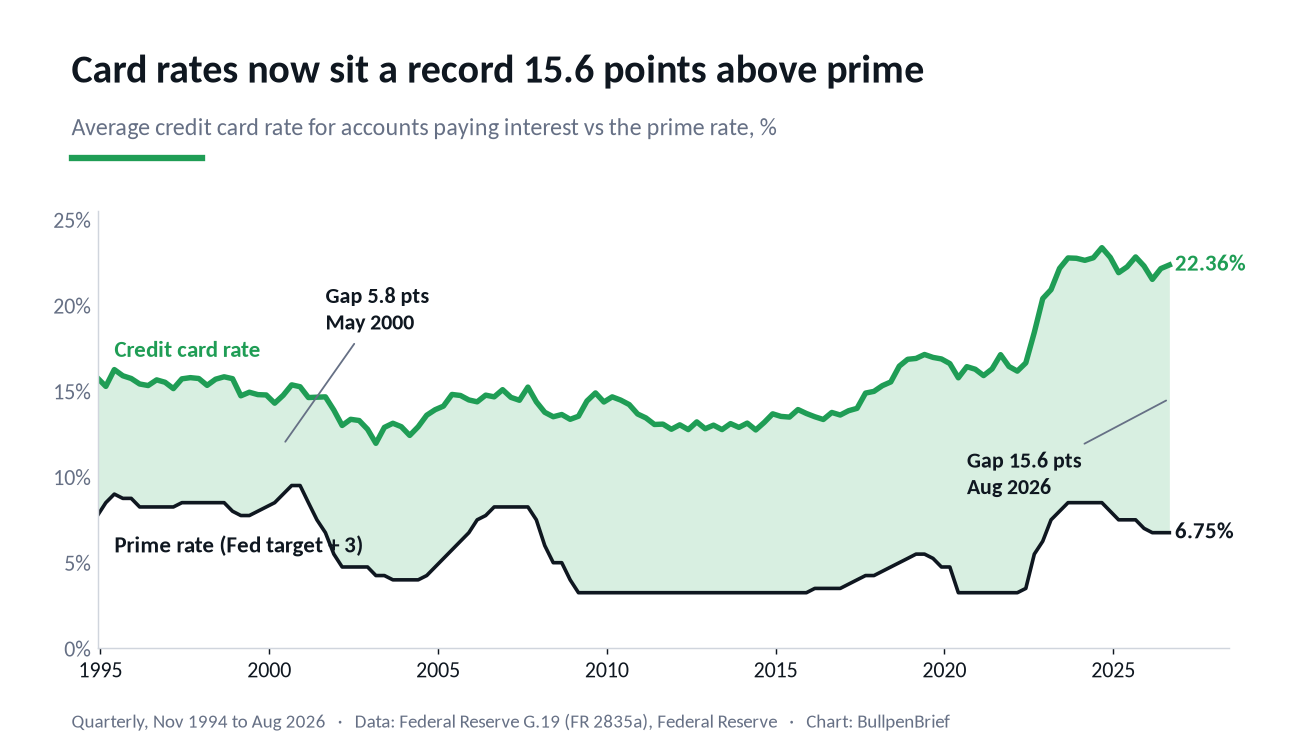
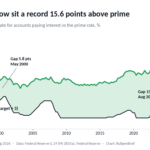
This isn’t an isolated phenomenon. The sluggish pace of relief mirrors what we’ve seen in other corners of finance, like how credit card rates barely budge after the Fed cuts, a pattern that disproportionately hurts lower-income borrowers. In both cases, the system is asymmetrical: quick to act when it benefits the institution, slow when it’s supposed to help the consumer.
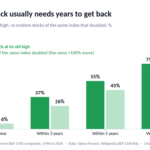
And for borrowers who fear their forgiveness might never come, the comparison is apt: just as most stocks that crash fail to recover within a year, a long delay in forgiveness can feel like a permanent loss. The longer the wait, the harder it is to believe relief will arrive.
A Pattern of Administrative Delays
The PSLF program has been plagued by mismanagement since its inception in 2007. Borrowers were routinely told they were on the wrong repayment plan or that their employer didn’t qualify, even though it did. In 2018, the Government Accountability Office found that the department had rejected 99% of PSLF applications due to technicalities. After a 2021 overhaul under the Biden administration, approvals surged, but the Trump administration’s return in 2025 reversed that progress, according to the AFT.
The lawsuit argues that the new policies violate the Higher Education Act, which requires the department to forgive loans after 120 qualifying payments. “The statute doesn’t say ‘subject to administrative convenience,'” the complaint notes. “It says ‘shall forgive.'”
Legal experts say the case has merit. The Administrative Procedure Act allows courts to order agencies to act if they unreasonably delay. In 2019, a federal judge forced the Department of Education to resume processing borrower defense claims after a similar lawsuit. But the current administration may argue that the delays are due to resource constraints or necessary fraud prevention. The AFT counters that the department has not provided any evidence of increased fraud risk.
What Happens Next
The lawsuit is in its early stages. The court will likely hear arguments on a motion for a preliminary injunction within months. If granted, the department could be forced to speed up processing immediately. If not, the case could drag on for years, which is exactly what the AFT says the administration wants.
For borrowers, the best course of action is to document everything. Keep copies of your employment certification forms, payment records, and any correspondence with the department. Consider filing a complaint with the Federal Student Aid Ombudsman Group. And if you’re in a union, push them to join the fight. The AFT is also urging borrowers to contact their members of Congress.
This case is a reminder that student loan forgiveness is never guaranteed, even when you follow the rules. The system is vulnerable to political winds. Until the courts or Congress force accountability, borrowers are left holding the bag, and the debt. The AFT’s lawsuit might be the push needed to change that, but it’s a long shot. For now, the waiting continues.
Frequently Asked Questions
What is Public Service Loan Forgiveness?
Public Service Loan Forgiveness (PSLF) is a federal program that forgives the remaining balance on Direct Loans after you have made 120 qualifying monthly payments while working full-time for a qualifying employer, such as a government agency or a non-profit organization.
How long does PSLF processing typically take?
The Department of Education’s stated goal is to process applications within 90 days. However, recent delays have stretched to 18 months or longer for many borrowers, especially since the Trump administration implemented additional manual review requirements.
What can I do if my PSLF application is delayed?
First, check your application status online through the Federal Student Aid website. If it’s been more than 90 days, contact the PSLF servicer (currently MOHELA) and escalate to the FSA Ombudsman Group. Consider filing a complaint with the Consumer Financial Protection Bureau. And if you’re a union member, ask your union about legal advocacy like the AFT’s lawsuit.