







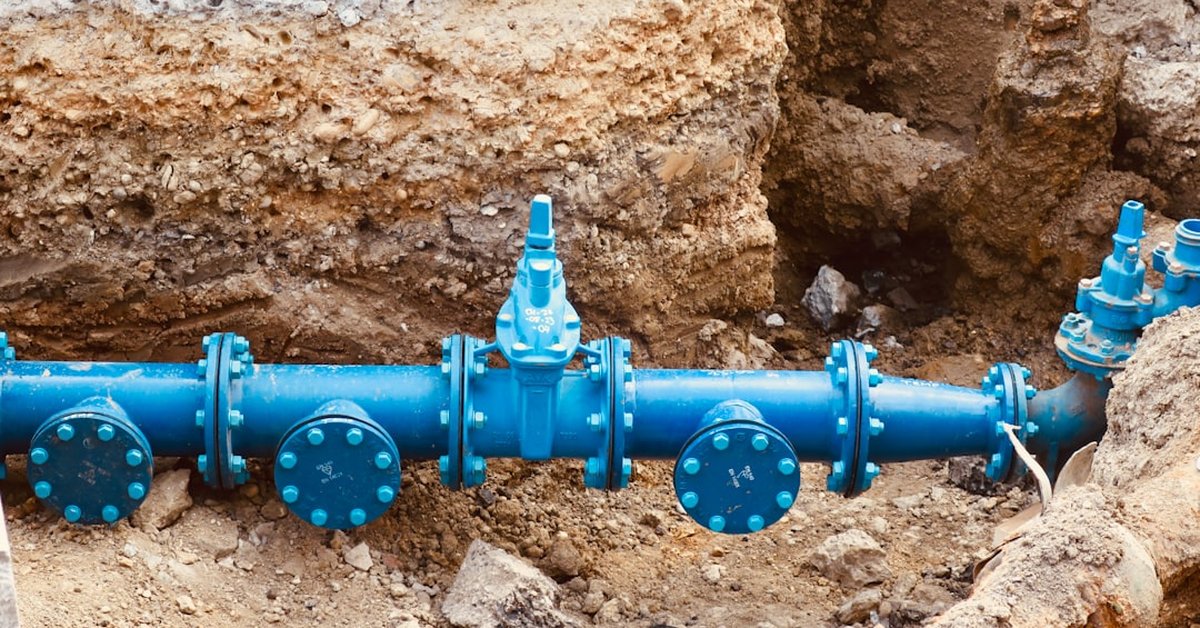
The Pipes Are Leaking, And So Is Patience
35,000,000 liters. That’s roughly how much water Thames Water loses every single day to leaks. A staggering figure that, in the context of the UK’s increasingly strained water resources, isn’t just a number, it’s a crisis in slow motion. Now, Chris Weston, the freshly minted CEO of the beleaguered utility giant, has gone on record to declare that the leakage targets set by regulators are, in his words, ‘not realistic.’ You heard that right. Not, ‘we’re trying our best,’ or ‘we’re facing challenges,’ but a flat-out ‘can’t do it.’
My read? This isn’t just a lament; it’s a strategic gambit. Weston is laying the groundwork for a pushback against regulatory pressure, potentially softening the ground for future penalties or, more cynically, setting expectations so low that any marginal improvement can be spun as a victory. It’s a classic move from the corporate playbook when a company is on the ropes, trying to manage a narrative that has, frankly, been disastrous for years. For the average UK household, this isn’t just about wasted water; it’s about the ever-present threat of hosepipe bans, higher bills, and a palpable sense of corporate failure. And in an environment where the public is already fed up with privatized utilities, this kind of rhetoric just pours fuel on the fire. It’s an interesting contrast to, say, the frantic scramble we see in crypto markets when Bitcoin and Ether whipsaw, wiping out leveraged bets, at least there, the risk is (theoretically) understood by the participants. Here, the risk of a failing utility is borne by everyone.
The Data Doesn’t Lie (But Management Hopes You Won’t Look Too Closely)
Let’s crunch some numbers, shall we? Thames Water has been under immense pressure, and rightfully so. Ofwat, the water services regulation authority, set a target for Thames to reduce leakage by 15.8% for the period between 2020 and 2025. That’s not some arbitrary figure pulled from a hat; it’s based on an assessment of what’s achievable with proper investment and operational efficiency. Yet, in the most recent reporting period, Thames Water reported a leakage rate of 570.6 megalitres per day, a decrease, yes, but still significantly above the glide path needed to hit that 15.8% target. At this rate, they’re going to miss it by a mile, and Weston knows it.
His claim that Thames wants ‘to do better’ but some targets are ‘not achievable’ is, charitably, disingenuous. It frames the issue as an external problem, unrealistic goals, rather than an internal one of chronic underinvestment and operational mismanagement. For years, the company has prioritized shareholder dividends over infrastructure upgrades, a strategy that has now come home to roost with a vengeance. And let’s not forget the financial woes. Thames Water is drowning in £18 billion of debt. This isn’t just a blip; it’s a structural issue that makes any significant capital expenditure on leakage reduction a monumental challenge. It reminds me a bit of the frantic attempts to plug holes when Elon Musk’s xAI sues Minnesota, but for an entirely different kind of system.
What This Means For Your Wallet (And Your Garden)
So, what’s the upshot for you, the long-suffering customer? Brace yourselves for a few things. First, expect continued pressure on water resources, especially during dry spells. Hosepipe bans becoming a regular summer feature? Don’t bet against it. Second, the regulatory fines, when they come, will likely be passed on to consumers. It’s the utility company playbook: externalize costs, privatize profits. While Ofwat has the power to fine, the ultimate burden often falls on the bill payer, either directly through increased charges or indirectly through higher taxes to subsidize a failing system.
Third, this declaration by Weston could signal a more adversarial relationship with regulators moving forward. Instead of working collaboratively to meet targets, Thames Water seems to be positioning itself for a fight, arguing for a revision of those targets downwards. Such a move would be a win for the company’s balance sheet (by reducing immediate capital expenditure needs) but a colossal loss for environmental sustainability and public trust. It’s a high-stakes poker game where the chips are paid for by every single person who turns on a tap in London and the Thames Valley.
The Inevitable Collision: Privatization Versus Public Good
This whole debacle throws the spotlight firmly back on the fundamental tensions inherent in privatized essential services. When profit motives clash head-on with public utility, the public good often takes a backseat. The argument for privatization was always efficiency and innovation. But what we’ve seen at Thames Water is a slow-motion car crash of underinvestment, debt accumulation, and now, an admission that basic service targets can’t be met. It’s a stark reminder that some things, like clean, accessible water, are perhaps too vital to be left solely to the whims of the market and shareholder returns. The next few months will be crucial. Will Ofwat buckle under the pressure, or will they hold the line and demand accountability? The answer will dictate not just the future of Thames Water but potentially the regulatory framework for all privatized utilities in the UK.
Frequently Asked Questions
-
What is the main issue with Thames Water?
Thames Water is facing severe criticism for high levels of water leakage, with its CEO stating that current regulatory targets for reduction are ‘not realistic’ given the company’s operational challenges and financial debt. -
How much water is Thames Water losing to leaks daily?
Thames Water is reportedly losing approximately 35 million liters of water due to leaks every day, a figure that highlights significant infrastructure issues. -
What are the implications for customers?
Customers could face continued water restrictions (like hosepipe bans), potential increases in water bills to cover regulatory fines or infrastructure costs, and a general decline in service reliability as the company struggles to meet its obligations.