


Three weeks ago, the average American paid $3.13 for a gallon of regular gasoline. It was a welcome reprieve-the cheapest fill-up since February, enough to knock a tenth of a percent off monthly inflation readings. But that relief is already evaporating. Crude oil spiked 7% in a single day last week after Iran seized a tanker near the Strait of Hormuz. And if you think you’ve seen the last of $4 gas, think again. The geopolitical chess game between Washington and Tehran is escalating, and the pump price you pay is the pawn.
The Strait of Hormuz: The World’s Most Dangerous Choke Point
Let’s talk about geography for a second-because this isn’t just another Middle East dust-up. The Strait of Hormuz is a 21-mile-wide channel between Iran and Oman. Roughly 20% of the world’s oil passes through it every day. That’s about 17 million barrels. LNG tankers, crude carriers, the whole global energy supply chain-it all squeezes through this nautical keyhole.
When the U.S. Navy sends an aircraft carrier into the region-like the USS Dwight D. Eisenhower did last month-Iran responds by harassing commercial ships, detaining crews, or, in the latest incident, boarding a Marshall Islands-flagged tanker near the Strait. The Pentagon called it a “flagrant violation of international law.” Tehran called it “routine inspection.” Either way, oil traders panicked. Brent crude jumped from $78 to $84 in 48 hours.
Look, this isn’t new. Iran has threatened to close the Strait of Hormuz on and off since the 1980s. But the difference now is the timing. The Biden administration has drained the Strategic Petroleum Reserve to record lows-down to 375 million barrels as of March, the lowest since 1983. That’s the cushion we used to stabilize prices after Russia invaded Ukraine. It’s gone. The U.S. oil reserve is at a breaking point, and the next shock won’t have that safety net.
Why Your Gas Tank Feels This Before Anything Else
Crude oil prices move like a ripple in a pond. But gasoline prices? They’re the splash. Refineries, especially along the Gulf Coast, rely on heavy sour crude from the Middle East. When that supply chain gets wobbly, refineries either pay more or produce less. Either way, you feel it at the pump within 10 to 14 days.
Here’s a sobering number: the Energy Information Administration (EIA) estimates that a sustained $10 increase in crude oil prices raises the average U.S. gasoline price by about 25 cents per gallon. We’ve already seen crude climb $6 in a week. That’s 15 cents on the horizon. And if the Strait actually gets blockaded-even for a few days-analysts at Goldman Sachs project a $20 to $30 spike in crude, pushing gasoline to $4.50 or higher.
“We’ve had a relatively calm spring at the pump, but that’s about to end,” says Dr. Sarah Albright, energy economist at the University of Texas at Austin. “The market is underpricing the probability of a major disruption in the Strait. Traders are treating this as noise. It’s not. It’s a structural risk that’s been building for months.”
And it’s not just crude. The oil prices surge we saw last week-the biggest two-day rally in four months-wasn’t just about that tanker seizure. It was about Iran’s nuclear advances. The IAEA reported last week that Iran has enriched uranium to 60% purity, just a technical step away from weapons-grade. That changes the stakes entirely. It’s no longer just about oil. It’s about whether the U.S. or Israel takes military action. And that would shut the Strait for real.
The Inflation Trap Nobody’s Talking About
Americans finally got a break. March’s CPI came in at 3.5%-down from 9.1% in June 2022. The Federal Reserve was even hinting at rate cuts later this year. But gasoline prices are a wild card. Every 10-cent increase at the pump adds about 0.1 percentage point to headline inflation. If gas hits $4 again, that alone could push annual inflation back above 4%.
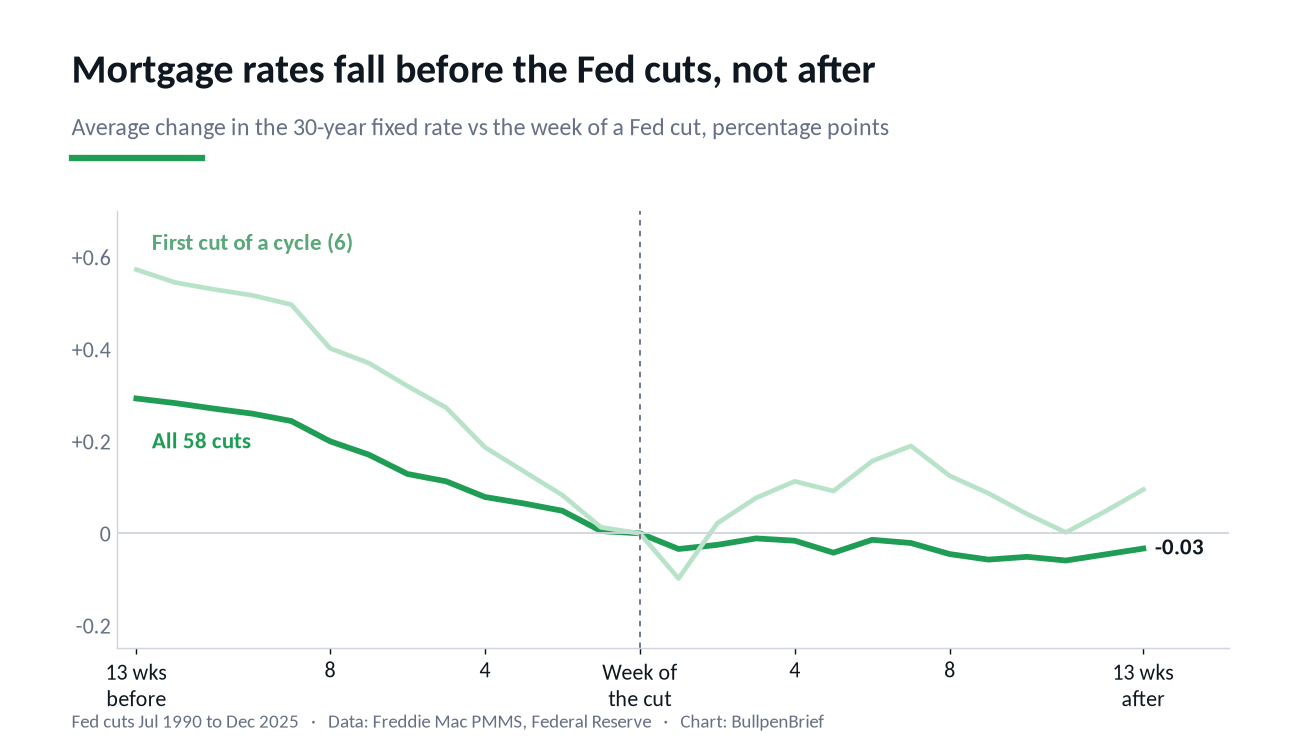
So here’s the trap: the Fed wants to cut rates to avoid a recession. But if energy prices spike, they can’t. They’d be forced to keep rates high, which slows the economy, which hurts housing, auto loans, credit cards-everything. It’s the worst of both worlds: high prices and high rates. “The Fed is in a corner,” says Marcus Chen, a former Treasury economist now at the Peterson Institute. “They’ve been waiting for energy to stay low so they can ease. Iran is effectively making that decision for them.”
And what about the average household? The typical American family spends about $2,500 a year on gasoline. A jump to $4 from $3.13 means roughly $600 more annually. For a family already stretched by grocery and rent inflation, that’s a gut punch. Consumer confidence, which had been recovering, could crater. Retail spending could drop. And the whole delicate balancing act of the soft landing-the thing the Fed has been bragging about-could unravel.
Meanwhile, in the crypto world-which often mirrors risk sentiment-Bitcoin held $62,600 as Iran tensions flared, suggesting investors are hedging against conventional market chaos. It’s a sign that the traditional playbook-buy oil stocks, sell tech-might be getting disrupted by digital assets. But that’s small comfort if you’re staring at a $60 fill-up.
What Happens Next? The Timeline
So how fast could we see $4 gas? Faster than you think. Here’s a rough timeline based on current conditions:
- Week 1-2: If no new incident, prices stabilize around $3.40-$3.50. But the risk premium stays high.
- Week 3-4: Another incident-say, Iran detains a U.S.-flagged vessel-and crude hits $90. Gas hits $3.80 by Memorial Day.
- Week 5-6: Full blockade or military clash. Crude at $100+. Gas at $4.20 or higher by mid-June.
The wild card is diplomacy. Indirect talks between the U.S. and Iran via Oman have been happening quietly. But the nuclear issue is a dealbreaker. Iran wants sanctions relief; the U.S. wants verifiable nuclear limits. Neither side is budging. And with the U.S. election in November, Biden can’t afford to look weak on Iran. So expect more brinkmanship.
“We’re in a dangerous cycle,” says Dr. Albright. “Each escalation raises the risk of a miscalculation. And oil markets react to miscalculations instantly.”
Bottom line: the price break at the pump was a gift. It might not last the summer. Keep an eye on the Strait of Hormuz-because that narrow stretch of water is about to decide how much you pay to get to work.
Frequently Asked Questions
How quickly could gas actually hit $4?
If there’s a major disruption at the Strait of Hormuz-like a blockade or a military confrontation-crude oil could spike $20 to $30 within days. That would push U.S. gasoline prices to $4.20 to $4.50 within two weeks. Even without a full blockade, the current tension alone is adding 15 to 20 cents per gallon already.
Does the Strategic Petroleum Reserve help anymore?
Not much. The SPR was drawn down to 375 million barrels-its lowest level since 1983-after the Biden administration released 180 million barrels in 2022 to combat post-Ukraine price spikes. Replenishing it has been slow. The SPR can still provide a short-term buffer, but it’s only about 20% of what it was in 2010. It’s not the safety net it used to be.
What can I do to protect my budget from higher gas prices?
Short-term: combine errands, check tire pressure, and use apps like GasBuddy to find the cheapest stations. Long-term: consider a fuel-efficient car, hybrid, or EV if you can. Also, look into gas rewards credit cards-some offer 5% cash back on fuel. But honestly, the best hedge is to reduce driving where possible until the geopolitical situation stabilizes.