






When Binance got ripped for $6.4 billion in a single exploit last week, every exchange with a pulse rushed to say “not us.” Coinbase did one better. It didn’t just dodge the bullet, it put its armor on display. The company told customers that over 99% of its crypto assets sit in cold storage, offline and out of reach. Not 90%. Not 95%. Ninety-nine percent. That’s not a boast. That’s a structural choice that most of crypto’s biggest names haven’t made.
And the timing? Perfect. Binance’s nightmare is Coinbase’s marketing gift. But the real story isn’t the gap between the two exchanges. It’s what that gap says about the entire industry’s risk appetite, and what it means for anyone holding tokens on a platform right now.
Cold Storage Is Not a Feature. It’s a Philosophy.
Coinbase’s security architecture isn’t new. It’s been running this playbook since 2012. But most users scroll past the “security” page without reading it. They shouldn’t. The core design is brutally simple: split the private keys into fragments, store them in separate physical locations, and require multiple authorized signers to reconstruct. Even if a hacker gets inside Coinbase’s internal network, they can’t reach the keys. They aren’t there.
The company also deploys so-called “kill switches” that can freeze withdrawal systems if an anomaly is detected. That’s not unique, Binance had similar protocols. But the difference is scale. Binance kept a far larger share of assets in hot wallets for high-speed trading. Coinbase, by contrast, built its entire retail business around the idea that customers would accept slightly slower withdrawals in exchange for dramatically lower risk.
My read: this trade-off is the single most underrated factor in choosing an exchange. Speed is sexy. Security is boring. Until the moment it isn’t.
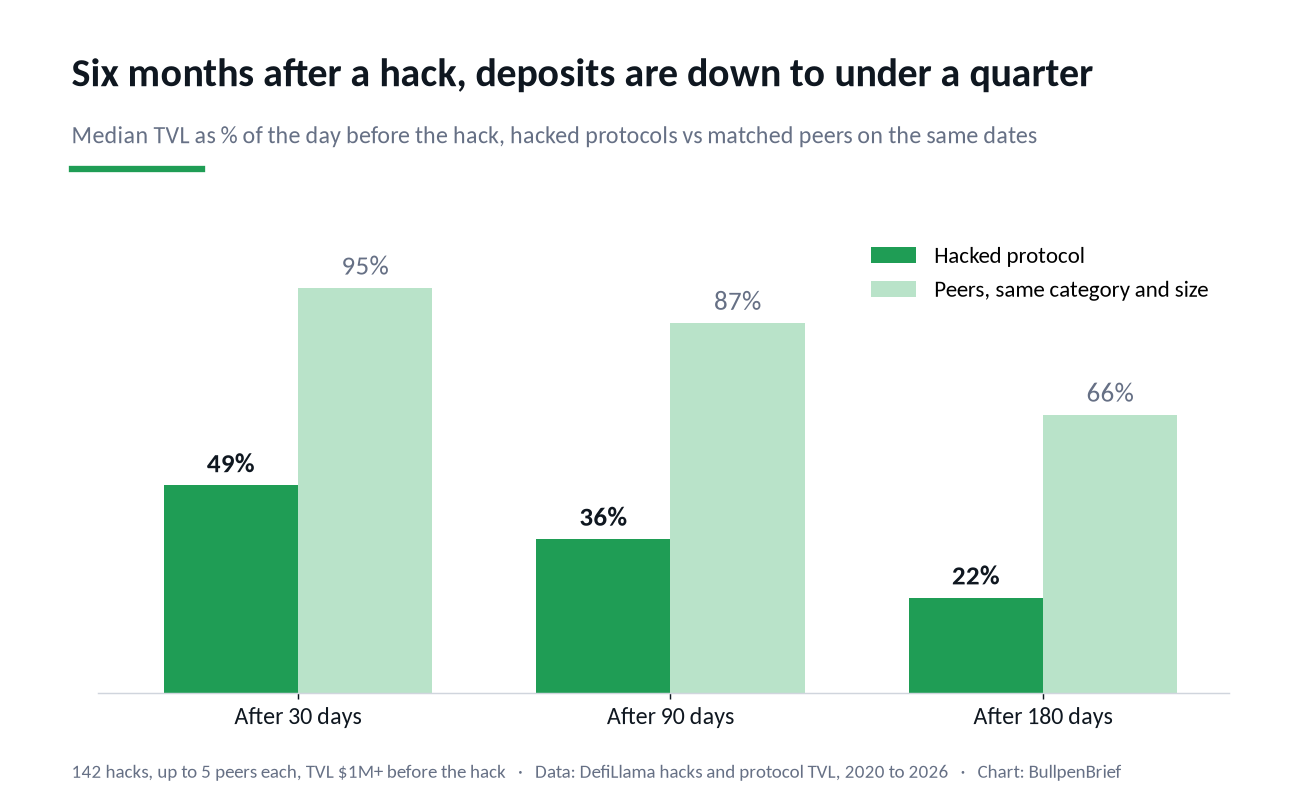
And let’s be real, 99% offline means Coinbase can process only a fraction of the daily trading volume that Binance could. That’s a competitive disadvantage in a bull market. But in a market where hacked DeFi protocols lose most of their deposits within six months, that boring approach starts to look like a moat.
The $6.4 Billion Shadow
The Binance hack, allegedly an inside job, according to some reports, exposed a fundamental truth: no amount of perimeter defense stops an attacker who holds the keys. Binance’s hot wallet system held billions in liquid assets. When the keys were compromised, the cash moved in minutes. Coinbase’s architecture makes that nearly impossible. Even if a rogue employee or a state actor got one key fragment, they’d need multiple others from different vaults. And the kill switch would likely halt any unusual movement before the fragments could be assembled.
But here’s the uncomfortable part: Coinbase hasn’t always been flawless. In 2021, a social engineering attack stole funds from hundreds of customers, not by breaking the cold storage, but by tricking support staff into resetting 2FA. And in 2023, a flaw in the exchange’s Advanced Trade API allowed some users to trade before deposits cleared. Neither breach touched the offline stash. That’s the point. Cold storage protects the base layer. It doesn’t protect against account takeover, phishing, or insider fraud at the customer level.
So when Coinbase says “99% of assets are offline,” they’re telling the truth about one thing. But the 1% that stays hot is still a juicy target. And that 1%, if you’re a whale, is likely your actively traded crypto. That’s the part exposed to withdrawal delays, price slippage, and yes, the slim chance of a hot wallet breach.
What This Means for Your Portfolio
If you’re holding $100 of ETH on Coinbase, the cold storage stat is nice. It means the exchange won’t go bankrupt from a hack and lose your bag. But it doesn’t protect you from a phishing link that drains your account. Nor does it help if Coinbase’s compliance team freezes your funds for “review”, a common complaint in the crypto community.
The more relevant question: should you self-custody? Yes and no. Cold storage on an exchange is better than hot storage on the same exchange, but it’s still custodial. You don’t control the keys. You control the IOU. If you’re trading actively, that’s fine. If you’re a long-term holder, moving assets to a hardware wallet removes the exchange counter-party risk entirely. But that comes with its own risks, losing the seed phrase, hardware failure, or forgetting how to access it in a panic sell.
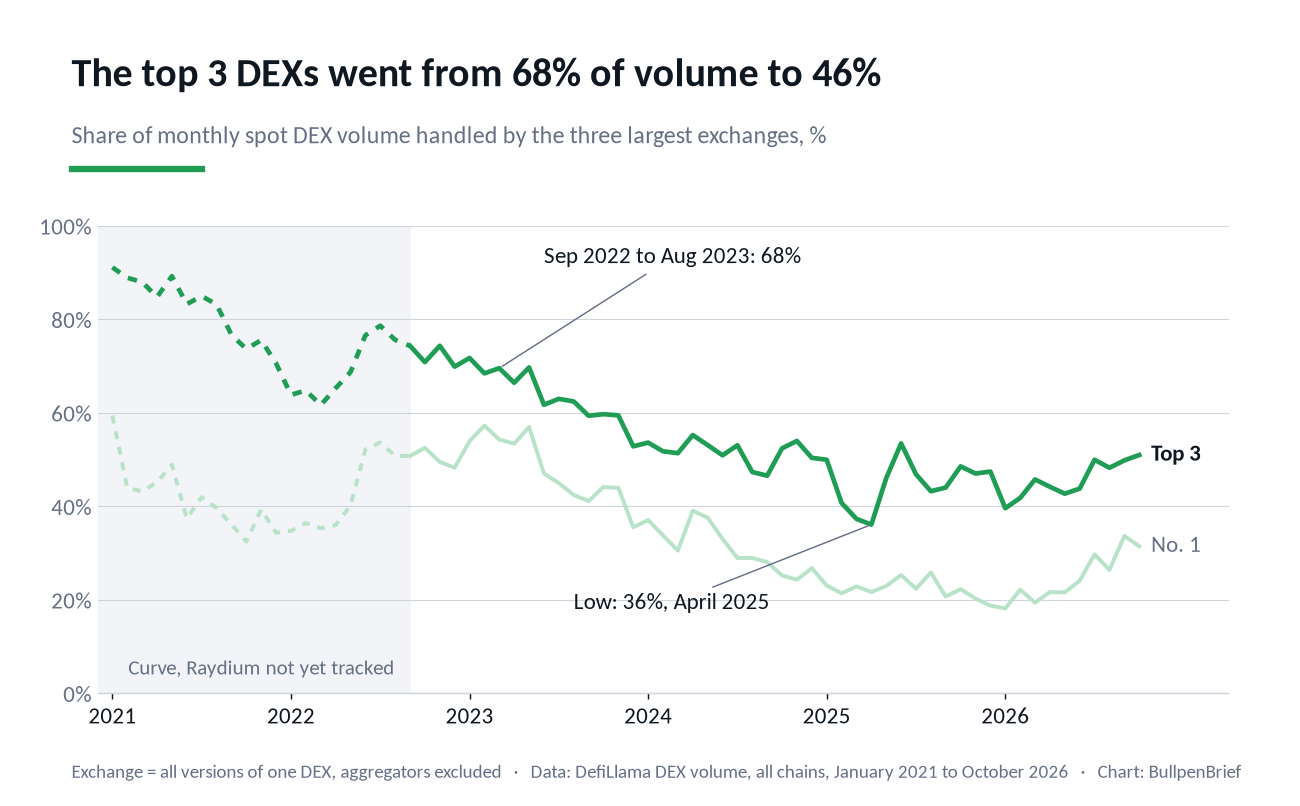
For most people, a hybrid approach works: keep trading funds on Coinbase (or an exchange with similar security), and store the rest offline with a hardware wallet. The 99% claim is reassuring, but it’s not a substitute for your own security practices. And if you’re wondering why the industry hasn’t standardized this, look at the competitive pressures. Decentralized exchanges have lost volume share partly because they can’t offer the speed of centralized hot wallets. Trade-offs everywhere.
Kill Switches and the Human Factor
Coinbase’s kill switches are automated and manual. If a suspicious withdrawal pattern triggers, the system can pause all outflows. That’s a double-edged sword. It prevents a hack from draining everything, but it also means legitimate users might get locked out during a volatile market. In 2020, Coinbase temporarily disabled withdrawals during a flash crash. Users were furious. The company said it was protecting them. Both sides had a point.
The real test won’t be a single breach. It’ll be a coordinated attack that exploits the human layer, social engineering of employees, SIM swapping of high-value accounts, or a zero-day in the cold storage signing process. Coinbase’s track record is solid, but not perfect. And the bigger the exchange grows, the more attack surface it presents.
I know this sounds like I’m nitpicking. I’m not. 99% offline is genuinely best-in-class. But the industry has a tendency to treat security as a binary, either you’re hacked or you’re safe. That’s wrong. Security is a spectrum, and every layer you add introduces friction. Coinbase has chosen to maximize safety at the cost of speed. That’s a defensible bet, especially after Binance’s $6.4 billion lesson.
The Bottom Line
Coinbase’s statement wasn’t just PR. It was a reminder that in a market full of cowboys, one exchange built a fortress. But fortresses have gates. And gates can be opened, by the people who hold the keys, the employees who manage them, or the regulators who demand access. The cold storage stat is a headline, not a guarantee.
What the smart money will watch: whether Coinbase can maintain that 99% as it expands into derivatives, institutional custody, and DeFi integration. Every new product line nudges the percentage down. And if the ratio ever slips to 95% or 90%, the narrative flips. Suddenly the biggest exchange by market cap is also the biggest target.
For now, take the claim at face value, it’s true and it matters. But don’t let it lull you into complacency. The best security is the one you control yourself.
Frequently Asked Questions
Is 99% cold storage really that much safer than other exchanges?
Yes, in terms of protecting the bulk of assets from remote hacks. Most exchanges keep 10-30% in hot wallets for liquidity. Coinbase’s 1% hot wallet is an order of magnitude smaller. But the remaining 1% is still vulnerable, and account-level attacks (phishing, SIM swaps) aren’t prevented by cold storage.
Should I move my crypto off Coinbase after this announcement?
Not necessarily. If you trade frequently, keeping assets on Coinbase is fine, the cold storage protects the exchange’s solvency. But for long-term holdings, consider a hardware wallet. The 99% stat reduces exchange risk, but doesn’t eliminate it. Self-custody removes counter-party risk entirely.
What happened to the 1% that’s online? Can it be hacked?
Yes, it can. The 1% in hot wallets is exposed to network attacks, software bugs, and insider threats. Coinbase mitigates this with real-time monitoring, withdrawal limits, and kill switches. But no hot wallet is unhackable. That’s why the 99% offline figure matters, it limits the maximum damage to 1% of assets.