


Selena Gomez, the pop star turned entrepreneur, is facing a lawsuit that alleges she misled investors in her mental health startup, Wondermind. The case, filed in Los Angeles Superior Court, claims Gomez and her team promised an “active role” for the singer that never materialized, and now, investors say they were defrauded out of millions. For anyone who’s watched the celebrity-backed startup boom, this isn’t just another Hollywood drama. It’s a cautionary tale about the gap between star power and actual business execution.
The Core Allegations: Promises vs. Reality
The lawsuit, brought by investors including a firm named Mirabaud Asset Management, alleges that Gomez and her co-founders, her mother Mandy Teefey and entrepreneur Daniella Pierson, made specific claims about the singer’s involvement in Wondermind. According to the complaint, investors were told Gomez would be “actively involved” in the company’s day-to-day operations, including content creation, marketing, and strategic decisions. Instead, the suit claims, Gomez took a backseat, and the company failed to deliver on its promises.
The numbers tell a stark story. Wondermind, launched in 2022 with a mission to destigmatize mental health, raised at least $20 million from investors, according to filings. But the suit alleges that the company is now “on the brink of collapse,” with little to show for the cash. “Investors were sold a vision of a celebrity-driven powerhouse,” the complaint states, “but what they got was a shell.”
This isn’t just about Gomez, though. It’s a pattern we’ve seen before in the crypto and tech worlds, where flashy names lure in money, but the substance doesn’t match the hype. In DeFi, it was hacks and rug pulls. Here, it’s a celebrity whose star power couldn’t save a startup from mismanagement.
What This Means for You: The Celebrity Startup Trap
Look, I get it. When Selena Gomez, one of the most followed people on Instagram, says she’s building a mental health company, it feels like a good bet. She’s been open about her own bipolar diagnosis, and her platform could genuinely help normalize therapy and medication. But the lawsuit highlights a hard truth: celebrity involvement doesn’t guarantee business success.
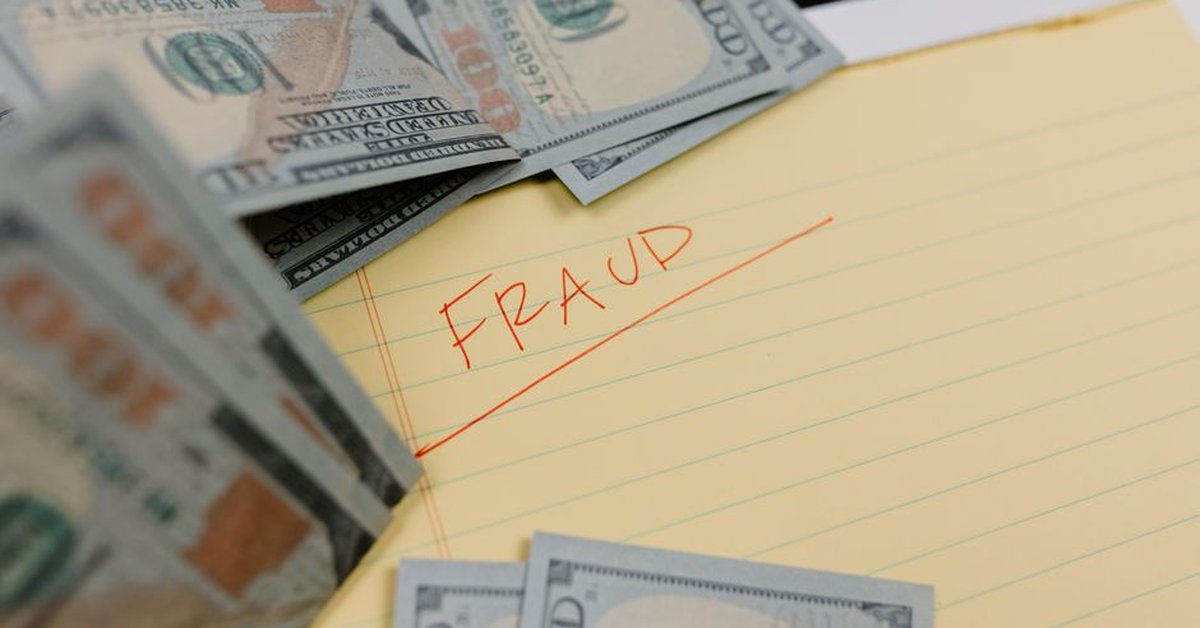
The investors aren’t just mad about lost money. They’re alleging fraud, that Gomez and her team knowingly made false statements to secure funding. If proven, that’s a serious legal issue, not just a PR problem. For anyone considering investing in a celebrity-backed venture, this is a red flag. The question you should ask: Is the celebrity actually working, or just lending their name? Because in this case, the complaint says Gomez’s role was “limited to occasional social media posts.” That’s not active involvement, that’s a billboard.
And let’s be real: mental health is a tough industry. Startups like Talkspace and BetterHelp have struggled with profitability, even with big names attached. Wondermind’s business model, a subscription app for mental health resources, faced the same headwinds. The lawsuit alleges that the company burned through cash without a clear path to revenue, a story all too familiar in the startup world.
The Legal and Reputational Stakes for Gomez
Gomez isn’t a stranger to legal battles, but this one hits different. She’s built a brand on authenticity and vulnerability, especially around mental health. An allegation of fraud could tarnish that carefully crafted image. The lawsuit seeks unspecified damages, but the real cost might be to Gomez’s credibility.
There’s also a parallel here to other high-profile lawsuits involving celebrities. Remember when Trump was sued over Truth Social’s early access to market-moving posts? That case, like this one, revolves around whether a public figure’s promises to investors were kept. Both highlight a growing trend: investors are increasingly willing to take celebrities to court when the business doesn’t deliver.
For Gomez, the outcome could affect her future business ventures. Investors might think twice before backing a project with her name on it, even if she’s cleared of wrongdoing. The lawsuit also names her mother and Pierson, which could strain personal relationships, a messy subplot in an already messy case.
What Happens Next? The Bigger Picture
So where does this go from here? The court will decide whether the allegations hold water. But regardless of the legal outcome, the case sends a message: celebrity endorsements aren’t a substitute for due diligence. If you’re an investor, you need to look past the Instagram posts and ask hard questions about management, revenue, and execution.
For Wondermind’s users, the people who actually downloaded the app for help, the future is uncertain. The lawsuit claims the company is near collapse, which could mean the end of a service that, for some, was a lifeline. That’s the cruel irony: a company founded to help mental health might fold under the weight of its own mismanagement.
I’ll be watching the discovery phase closely. If emails or texts show Gomez was hands-off despite promises to the contrary, that’s a smoking gun. If not, this could be a case of investors blaming a celebrity for a bad business bet. Either way, it’s a reminder that in the world of startups, reputation is fragile, and sometimes, even Selena Gomez can’t save a sinking ship.
Frequently Asked Questions
What exactly is Selena Gomez accused of in this lawsuit?
Investors allege that Gomez and her co-founders made false promises about her active involvement in Wondermind, the mental health company. They claim she was supposed to be deeply engaged in daily operations but instead only made occasional social media posts. The suit argues this constitutes fraud because investors relied on those promises when putting in money.
How much money did Wondermind raise, and is it still operating?
Wondermind raised at least $20 million from investors, according to filings. The lawsuit claims the company is now “on the brink of collapse.” As of now, the app is still available for download, but its long-term viability is uncertain pending the legal outcome. Users should be aware that services could be disrupted if the company shuts down.
What does this mean for other celebrity-backed startups?
This case could set a precedent for holding celebrities accountable for business promises. Investors may become more cautious about funding ventures led by public figures without proof of real involvement. For celebrities, it’s a warning: lending your name isn’t enough, you need to show up, or you could face legal consequences.