




When LayerZero announced its new trading infrastructure for crypto and tokenized markets on Tuesday, the market didn’t wait for a white paper. ZRO, the native token of the LayerZero cross-chain protocol, ripped higher by nearly 40% in 24 hours. The move caught traders off guard, but the real story isn’t the price spike. It’s what this infrastructure actually does, and who’s backing it.
The trading rails run on LayerZero’s own Zero blockchain, a move that shifts the project from a pure interoperability protocol into something more like a settlement layer for institutional-grade markets. And the names attached are not the usual crypto native crew. Citadel Securities has put its weight behind the project. The DTCC and ICE are exploring institutional applications. That’s the kind of signal that makes traditional finance watchers sit up, even if they’ve been burned by crypto promises before.
The Zero Blockchain: Not Just Another L1
LayerZero’s Zero chain is built specifically for the high throughput and low latency that trading infrastructure demands. Unlike Ethereum or Solana, which were designed for general purpose smart contracts, Zero is optimized for order book management, tokenized asset settlement, and cross-chain atomic swaps. The technical choices reflect a philosophy that trading is a specialized use case, not something to be bolted onto a general purpose chain.
The result, according to the team, is sub-second finality and transaction costs measured in fractions of a cent. That’s table stakes for the institutional crowd. Citadel Securities, the massive market maker that handles roughly 40% of all retail equity orders in the U.S., doesn’t tolerate latency. If they’re involved, the infrastructure has to be enterprise grade.
The DTCC and ICE explorations are a different kind of signal. The Depository Trust & Clearing Corporation settles the vast majority of U.S. securities trades. Intercontinental Exchange owns the New York Stock Exchange. When these two entities start poking around a crypto project, it’s not because they’re looking for a speculative trade. It’s because they see a potential upgrade to plumbing that hasn’t changed in decades.
Tokenized Markets: The Real Prize
The immediate catalyst for the ZRO surge was the announcement itself, but the long-term thesis is about tokenized markets. Think real estate, private credit, commodities, even fine art, all represented as digital tokens that can trade seamlessly across chains. LayerZero’s infrastructure aims to be the rails that make that vision work, connecting liquidity pools on different blockchains without the fragmentation that has plagued DeFi.
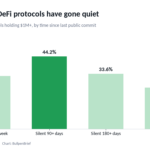
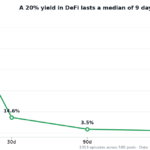
There’s a reason this matters now. Traditional finance is quietly moving toward tokenization. BlackRock’s BUIDL fund, Franklin Templeton’s on-chain money market, the emergence of private credit protocols like those on the low-yielding DeFi landscape where yields are thin but institutional interest is growing. LayerZero is positioning itself as the infrastructure provider for this shift, not a competitor to the incumbents but a supplier of rails.
My read is that ZRO’s price surge reflects a market that’s starting to price in this institutional narrative. The 40% move is aggressive, but it’s not irrational. The token was trading at a discount to comparable infrastructure projects, and the Citadel involvement is a credibility boost that money can’t buy.
What ZRO Holders Are Actually Betting On
Let’s not get carried away. ZRO is a governance and utility token for the LayerZero protocol. The new trading infrastructure generates fees, and those fees flow to token holders through the protocol’s revenue sharing mechanism. But the devil is in the details. Fee distribution depends on volume, and institutional volume is notoriously sticky. It could take quarters, even years, for the revenue to materialize at scale.
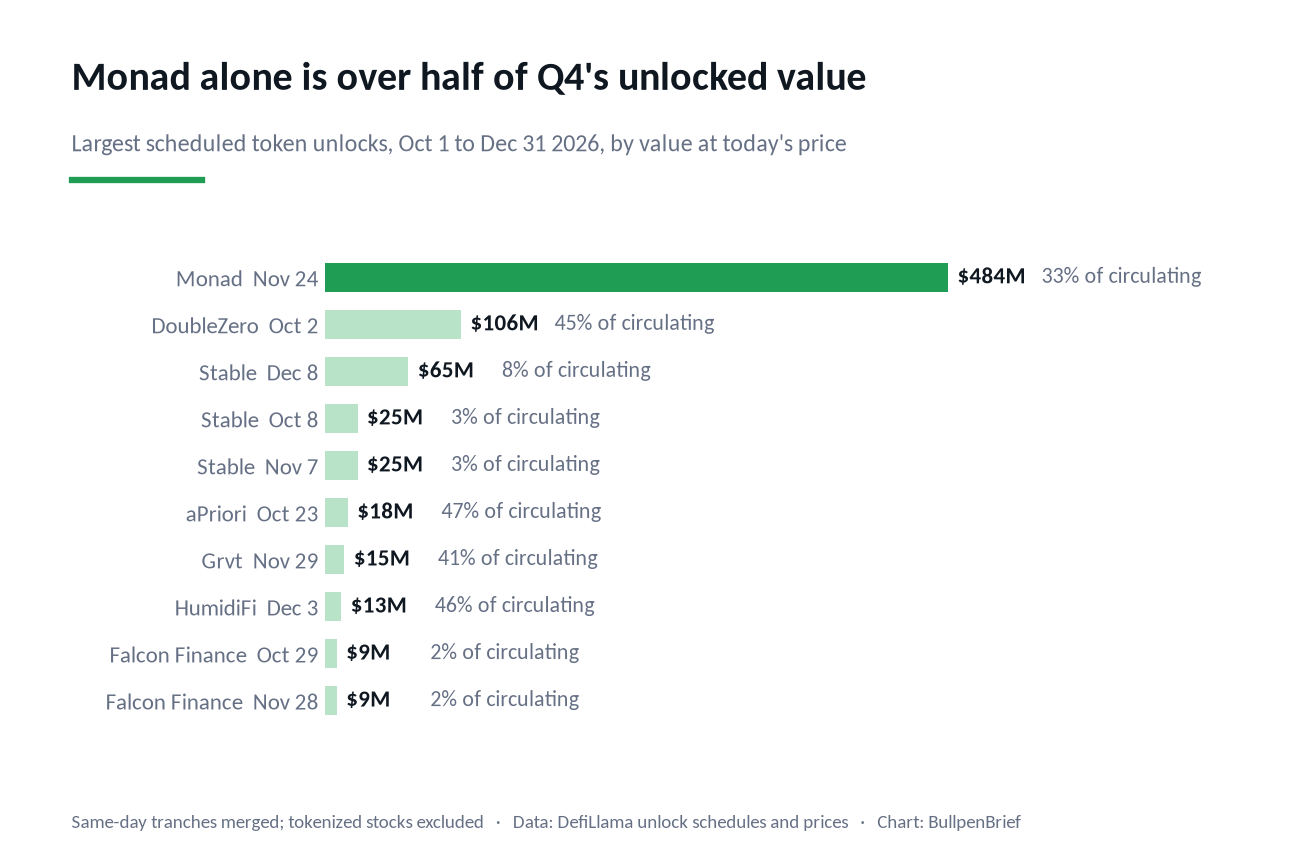
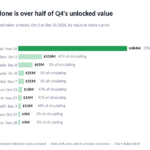
Meanwhile, the tokenomics are still being worked out. LayerZero has been generous with airdrops and community incentives, but the supply schedule includes significant unlocks for early investors and team members over the next 18 months. That creates an overhang that could cap upside, especially if the initial hype fades before revenue materializes.
What the smart money will watch is the actual onboarding of institutional clients. A single announcement from Citadel doesn’t mean their order flow is live. We need to see test trades, then production volume, then fee generation. Each step justifies a higher token price, but also creates a milestone that could disappoint if the cadence slows.
DeFi Meets TradFi, But the Culture Clash Remains
LayerZero’s pitch is that it bridges the gap between decentralized and traditional finance. But the cultural gap is wider than the technical one. Institutional players demand KYC, AML, and regulatory compliance. DeFi purists see those as antithetical to the ethos of permissionless finance. LayerZero’s new infrastructure includes features that satisfy both sides: permissioned modules for institutional participants alongside open access for retail.
It’s a delicate balancing act. Projects that tried this before struggled. The compliance overhead slowed innovation, and the open nature of DeFi made institutional risk managers nervous. LayerZero’s approach with the Zero chain tries to solve this by segmenting the two worlds. Institutions trade on permissioned subnets with verified identities. Retail trades happen on open pools with different risk parameters. Same chain, different experiences.
Whether this works depends on execution. The technology is promising, but the real test is in the messy middle, where legal teams, regulators, and compliance officers review every line of code. The security challenges that plague open systems in other domains underscore the stakes. A protocol breach or a regulatory misstep could undo years of work.
Look Ahead: The Next 12 Months
The ZRO surge is a vote of confidence, but it’s an early vote. The next year will separate the narrative from the reality. Key milestones include the first institutional trades going live on Zero chain, the launch of tokenized credit products using the infrastructure, and regulatory clarity from SEC and CFTC on how these products are classified.
Pricing in all of that at current levels means ZRO has room to run if execution happens. But it also means risk if the timeline slips. This is a bet on project delivery, not just on crypto adoption. LayerZero has a strong team and serious backers, but they’re building in a space where the technical and regulatory complexity is extreme.
For now, the market is willing to give them the benefit of the doubt. That’s a fragile thing, but it’s also the only thing that matters in a bull market run on hope and infrastructure.
Frequently Asked Questions
The price jump reflects market expectations that LayerZero’s institutional backing, particularly from Citadel Securities, will drive significant trading volume and fee generation. The token was previously undervalued relative to comparable projects, and the announcement triggered a revaluation that had been building for months.
The Zero chain is purpose-built for trading infrastructure, with sub-second finality and ultra-low transaction costs. It uses a customized consensus mechanism that prioritizes order book management and atomic settlement, unlike general purpose chains that need to handle everything from NFTs to gaming to DeFi.
There are two main risks. First, the token supply will increase as early investor and team unlocks occur over the next 18 months, creating potential selling pressure. Second, institutional adoption could take longer than expected, delaying fee revenue that underpins the token’s valuation. Regulatory changes also remain a wildcard.