




Donald Trump wants to make it harder to dump student loans in bankruptcy. That sounds like a tough-on-borrowers approach. But here’s the thing: it might actually increase the number of filings. A former bankruptcy judge with nearly three decades on the bench sees it coming. And her warning is one Washington should listen to.
Sarah Sharer Curley spent 28 years presiding over bankruptcy cases. She’s seen thousands of people walk into her courtroom, most of them desperate, some of them scheming. Her new book, “The Price of Forgiveness”, digs into the moral and practical tangles of the process. And she argues that tightening the screws on student loan discharge is a textbook case of unintended consequences.
The logic seems simple: if you make it nearly impossible to wipe out student debt in bankruptcy, fewer people will bother filing, right? Wrong. Curley says the opposite could happen. Borrowers who currently avoid bankruptcy because they think they can’t discharge their loans might actually file more often, not because they get relief, but because they get pushed into Chapter 13 repayment plans that stretch for years, only to fail. When those plans collapse, the borrower is often worse off than before. And the court gets another case on its docket.
Think of it like a traffic light that turns red for five minutes. Drivers start running it because waiting feels pointless. Then you get more crashes. Same idea here: a draconian discharge rule could create more filings, not fewer.
The Discharge Delusion: Why Tightening Rules Could Backfire
The Trump administration’s proposed overhaul, detailed in a 2025 policy framework, seeks to restrict the “undue hardship” standard that currently governs student loan discharge in bankruptcy. Under the 2005 Bankruptcy Abuse Prevention and Consumer Protection Act (BAPCPA), private student loans were made nearly nondischargeable. Federal loans already required a near-impossible showing of permanent disability or extreme poverty. Trump’s plan goes further: it would eliminate the Brunner test (the three-part standard used by most courts) and replace it with an even stricter rule that borrowers must prove total and permanent impairment to ever earn income again.
Sounds harsh. But Curley points out that the existing system already produces perverse outcomes. “The Brunner test was designed to be tough,” she writes in her book. “But it ended up channeling borrowers into Chapter 13 plans they could never complete. That’s a failure on both sides.”
Here’s how it works in practice: A borrower with $80,000 in student loans and a $40,000 salary can’t qualify for Chapter 7 (the liquidation bankruptcy that wipes most debts), because the means test says they earn too much relative to their state’s median income. So they file Chapter 13, promising to pay back a portion of their debts over three to five years. But the student loan portion often isn’t discharged at the end. The borrower is stuck. Sometimes they refile. Sometimes they just default.
The result? A steady stream of repeat filers. According to data from the U.S. Courts, about 30% of Chapter 13 cases are dismissed before completion. Anecdotally, Curley says she saw many debtors file two or three times. Tightening discharge rules won’t stop that. It will only increase the number of cases that go nowhere, and tie up the courts even more.
Bankruptcy’s Back Door: How Borrowers Already Use Chapter 13
You might wonder: if student loans are so hard to discharge, why do people file bankruptcy at all? Because bankruptcy isn’t just about discharge. It’s about the automatic stay, the moment you file, all collection activities stop. No wage garnishment. No tax refund seizure. No harassing calls. For borrowers drowning in default, that breathing room can be worth the filing fee and the credit score hit.
Curley saw this every day. “People came in not to wipe out the debt, but to stop the bleeding,” she says in an interview with BullpenBrief. “They knew they’d still owe the student loans. They just needed a break from the collection machine.” That break typically lasts three to five months until a Chapter 13 plan is confirmed. Then the borrower must start making payments to the trustee, which includes a monthly payment toward student loans, often more than they were paying before.
So the Trump overhaul, by making discharge even harder, doesn’t eliminate the reason to file. It just eliminates the one sliver of hope for those who truly cannot pay. Borrowers who might have qualified for a rare hardship discharge under the current system will now be forced into Chapter 13 with zero chance of ever getting rid of the loan. They’ll file anyway, because they need the stay. And when their plan fails, they’ll file again.
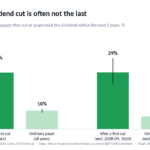
This is where the analogy to dividend cuts fits: a first bankruptcy filing is often not the last. Curley’s experience shows that about 20% of Chapter 13 filers had previously filed a bankruptcy case. The second time, they’re more likely to fail. Tightening rules means more of those doomed second acts.
What a Former Judge Saw From the Bench
Curley’s book is not a policy brief. It’s a memoir framed around ten cases that stuck with her. One involves a single mother who worked two jobs, had $120,000 in student loans from a for-profit college that later closed, and was forced into a Chapter 13 plan that required $900 per month. She couldn’t keep up. The case was dismissed. She refiled two years later. Same result. “The system offered her nothing but a delay,” Curley writes.
The takeaway: bankruptcy is already failing the very people it’s supposed to help when it comes to student debt. Trump’s changes don’t fix that. They compound it.
The policy also raises a deeper question: why are we so afraid of letting student loans be dischargeable in bankruptcy? The usual answer is moral hazard, if loans can be erased, lenders will charge higher interest or stop lending altogether. But private lenders already charge high rates and government loans have no cap on borrowing. The evidence that dischargeability would crater the market is thin. And the cost of a clogged bankruptcy system is real. Each case takes judge time, trustee fees, and administrative resources. More cases mean slower processing for everyone, including small business owners trying to reorganize.
Curley suggests a middle ground: restore the pre-2005 standard where private student loans are dischargeable after a few years of good-faith payment, and keep the Brunner test for federal loans but make it more transparent. That would reduce the number of doomed Chapter 13 cases and give honest borrowers a real fresh start.
The Real Cost of Squeezing Borrowers
Let’s be blunt: the Trump plan’s likely effect is more filings, more trustee headaches, and more borrowers trapped in limbo. The only winners are debt collectors and lawyers who get paid per case. Borrowers are not going to suddenly stop defaulting. They’ll just cycle through a system that offers no exit.
What does this mean for you? If you’re carrying student debt and considering bankruptcy under the current rules, know that a Trump overhaul could make the certainty of your outcome even worse. Talk to a bankruptcy attorney about state-specific exemptions and the means test before any new rules take effect. And watch for legislation, the proposal is still in draft form and could change.
The honest conversation Washington needs to have is about letting go of the idea that education debt is a sacred obligation. Curley saw people destroyed by debt that could never be repaid. And she saw the bankruptcy court become a revolving door. Tightening the rules won’t close that door. It will just make it spin faster.
Frequently Asked Questions
Will Trump’s plan make it completely impossible to discharge student loans in bankruptcy?
No, but it would raise the bar to near impossibility. The proposal replaces the current Brunner test with a requirement that borrowers prove permanent and total disability to ever earn income. That’s a much higher threshold. Only the most severe cases would qualify.
Is filing Chapter 13 bankruptcy a good strategy for student loan borrowers right now?
It depends. Chapter 13 stops collection actions for several months, but you’ll eventually have to resume paying the student loans in full within the plan. If you cannot afford that payment, the case is likely to be dismissed. You are better off exploring income-driven repayment plans or loan forgiveness programs before turning to bankruptcy.
What did Sarah Sharer Curley’s book reveal about the bankruptcy court’s handling of student loans?
Her book shows that the current system funnels borrowers into failed Chapter13 cases, wasting court resources and leaving borrowers worse off. She argues that a more flexible discharge standard would reduce repeat filings and allow honest borrowers to actually get a fresh start.